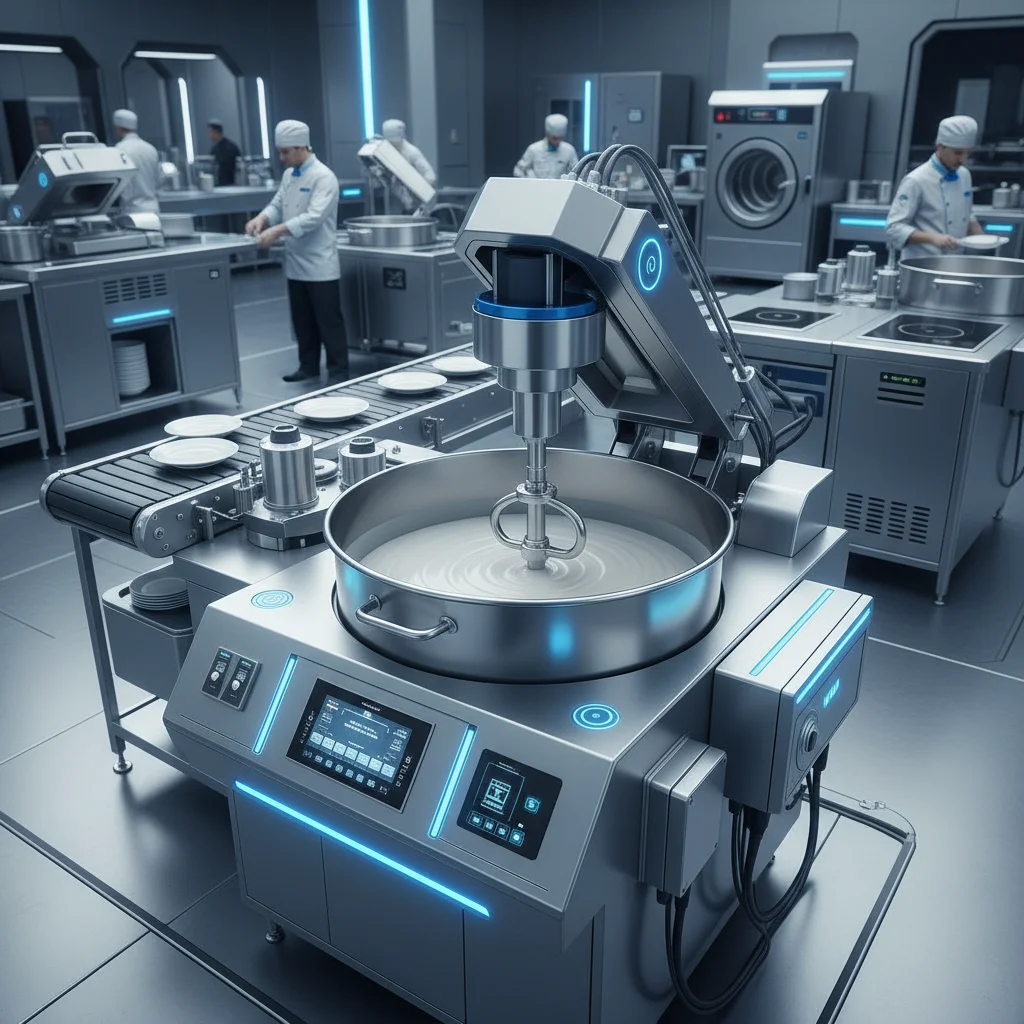
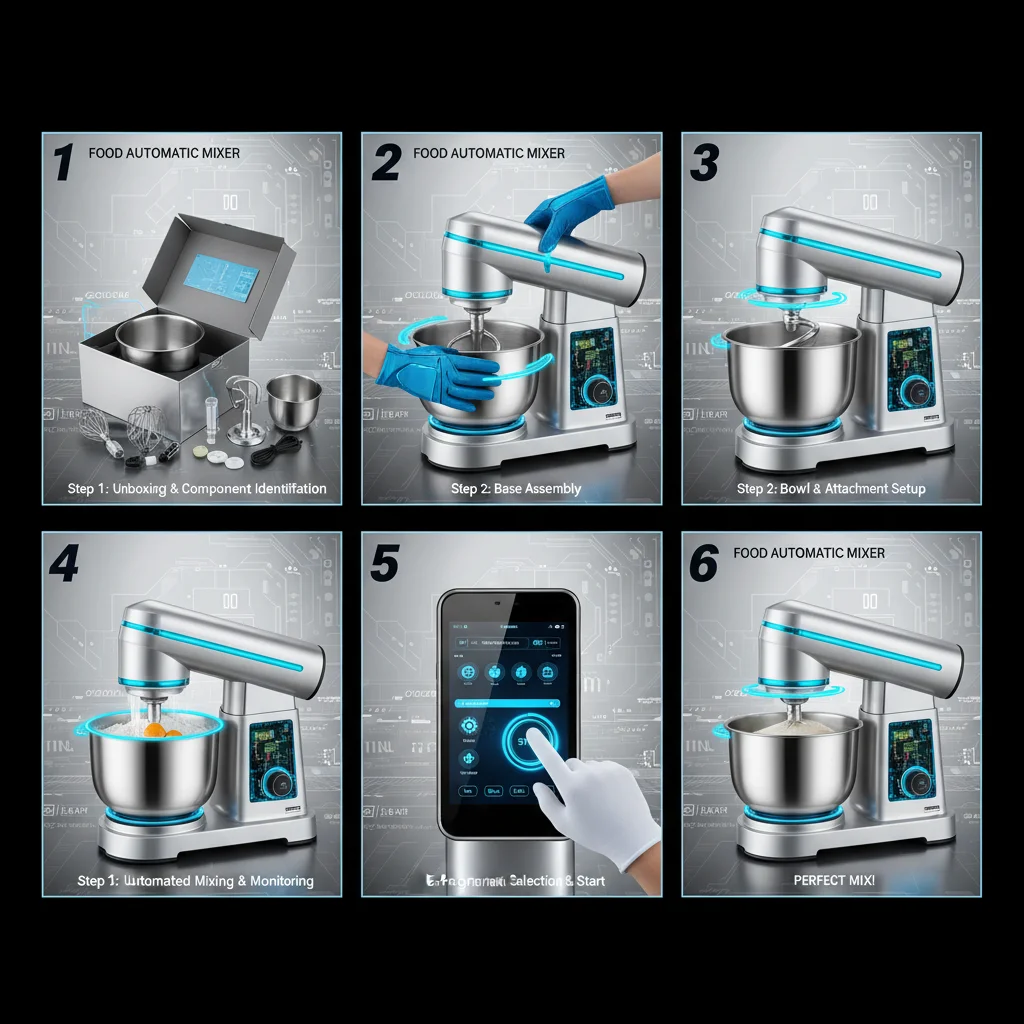
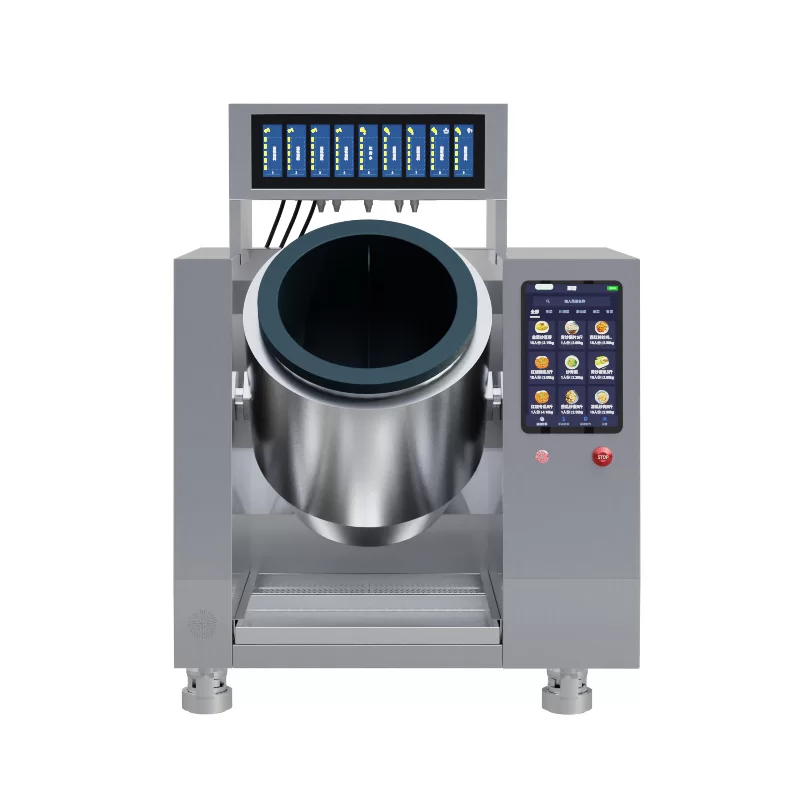
In today’s fast-paced food service industry, efficiency, hygiene, and consistency are essential for success. Commercial dishwashers have become a vital part of restaurant operations, helping businesses maintain high standards while improving productivity. From small eateries to large hotels, these machines play a key role in modern kitchen management.
Commercial dishwashers are widely used in various restaurant settings, including casual dining restaurants, fast food outlets, hotels, and catering services. During peak hours, restaurants must handle a large volume of dishes, glasses, and utensils. A commercial dishwasher allows staff to clean these items quickly and efficiently, ensuring a steady supply of clean tableware for continuous service.
One of the most significant advantages of commercial dishwashers is their high efficiency. Compared to manual washing, these machines can clean large quantities of dishes in a short time, greatly reducing waiting time and improving table turnover rates. This is especially important for busy restaurants where speed directly impacts customer satisfaction and revenue.
Hygiene and sanitation are also greatly improved with the use of commercial dishwashers. Most machines operate at high temperatures, often exceeding 80°C (176°F), which helps eliminate bacteria and ensures compliance with food safety regulations. This level of sanitation is difficult to achieve consistently through manual washing alone.
In addition to efficiency and hygiene, commercial dishwashers help reduce labor costs. By automating the dishwashing process, restaurants can minimize the need for manual labor and reallocate staff to more valuable tasks, such as food preparation and customer service. This is particularly beneficial in regions where labor costs are high or staffing is limited.
Modern commercial dishwashers are also designed with energy and water efficiency in mind. Many models use advanced filtration and water recycling systems to reduce overall consumption, making them more environmentally friendly and cost-effective in the long run.
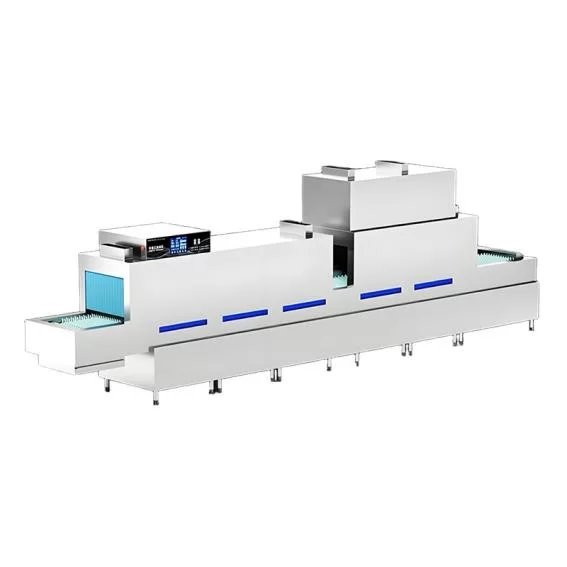
There are several types of commercial dishwashers available to suit different operational needs. Undercounter dishwashers are ideal for small restaurants with limited space, while hood-type machines are suitable for medium-sized establishments. For large-scale operations, conveyor dishwashers provide continuous cleaning and maximum efficiency.
In conclusion, commercial dishwashers are an indispensable asset in the restaurant industry. They enhance efficiency, ensure high hygiene standards, reduce labor costs, and support sustainable operations. As restaurants continue to evolve and adopt smarter technologies, commercial dishwashers will remain a cornerstone of modern kitchen solutions.
Hit enter to search or ESC to close