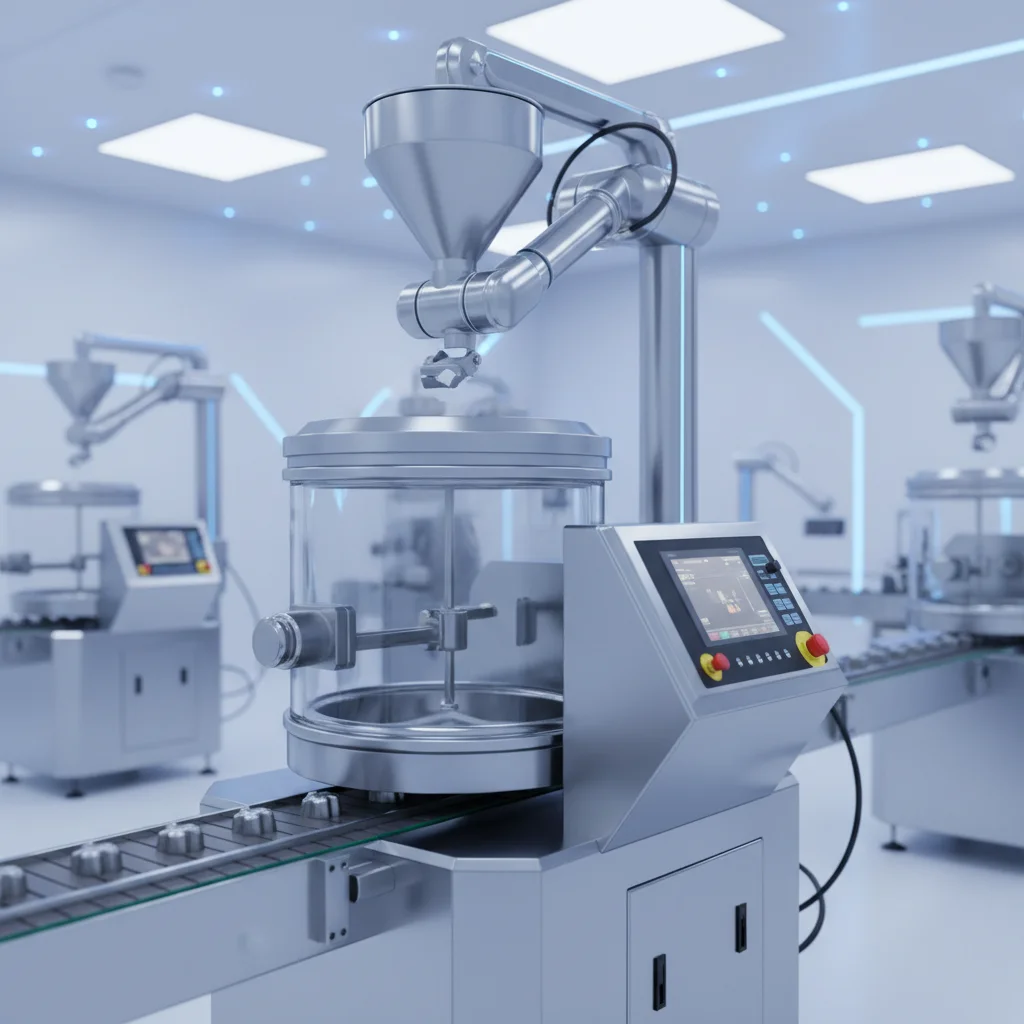
In the demanding world of high-volume commercial cooking, the Tilting Industrial Wok stands as a cornerstone of efficiency, combining traditional stir-frying techniques with modern industrial engineering. For catering businesses, large-scale food processors, and institutional kitchens, the ability to handle massive quantities of food without sacrificing the "wok hei" (breath of the wok) is a critical competitive advantage.
Understanding the mechanics and applications of a Tilting Industrial Wok is essential for any operator looking to optimize their kitchen workflow. These machines are not merely oversized pans; they are sophisticated thermal systems designed to provide uniform heat distribution and effortless unloading of heavy food loads, thereby reducing physical strain on staff and increasing throughput.
Globally, the shift toward semi-automated food production has highlighted the necessity of versatile equipment. By integrating tilting mechanisms, these industrial woks solve the age-old problem of manual lifting and pouring in bulk cooking, ensuring that safety standards are met while production targets are consistently hit in the most demanding culinary environments.
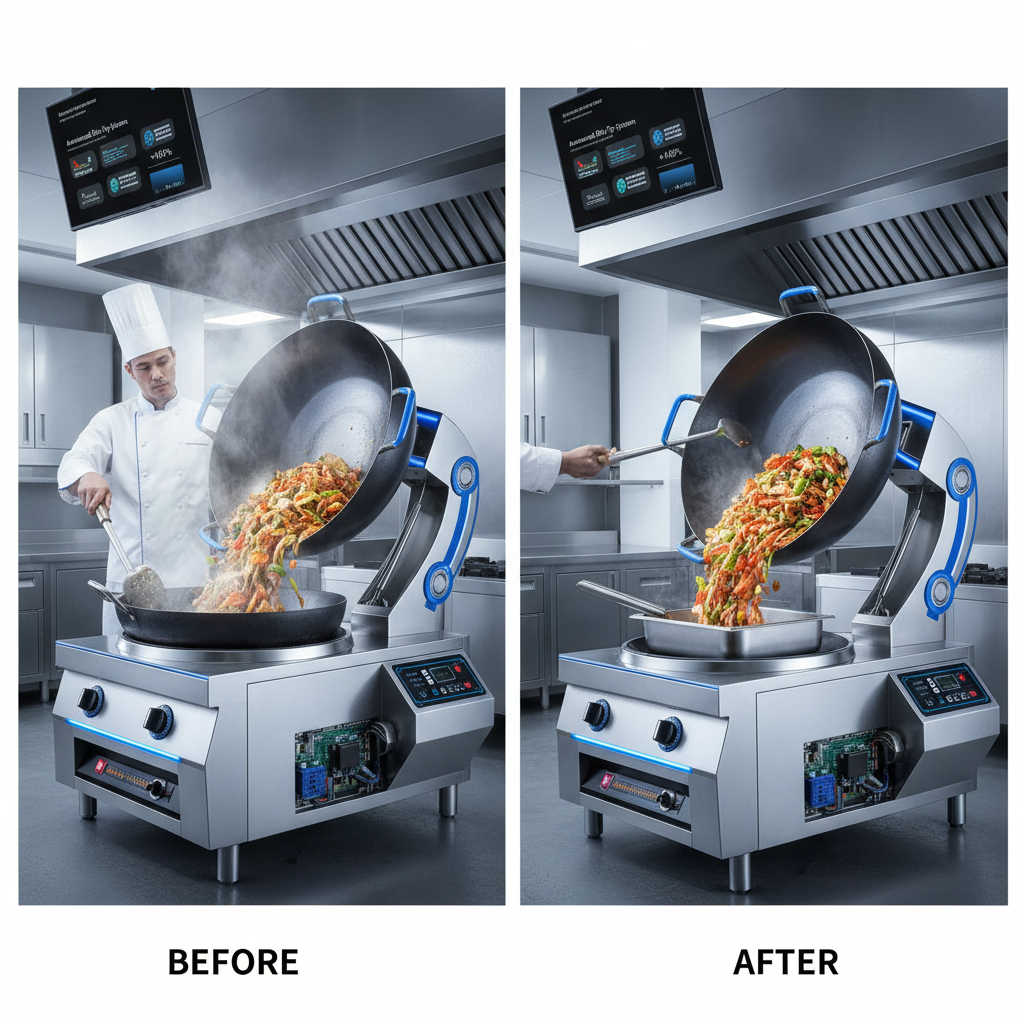
The global catering equipment market has seen a surge in demand for specialized high-capacity tools as urbanization increases and the "fast-casual" dining segment grows. According to industry standards aligned with ISO quality benchmarks, the need for standardized thermal processing in food production has led to the widespread adoption of the Tilting Industrial Wok. In regions like Asia-Pacific and North America, where stir-fry and braised dishes are staples in institutional feeding, the ability to scale production while maintaining texture and flavor is a primary challenge.
Traditional cooking methods often fail when scaled to feed thousands of people, resulting in unevenly cooked food and significant labor waste. The introduction of tilting mechanisms allows for the safe handling of hundreds of kilograms of product, addressing the occupational health and safety risks associated with heavy lifting in hot kitchens. This evolution is not just about capacity; it is about the precision of heat application on a massive scale.
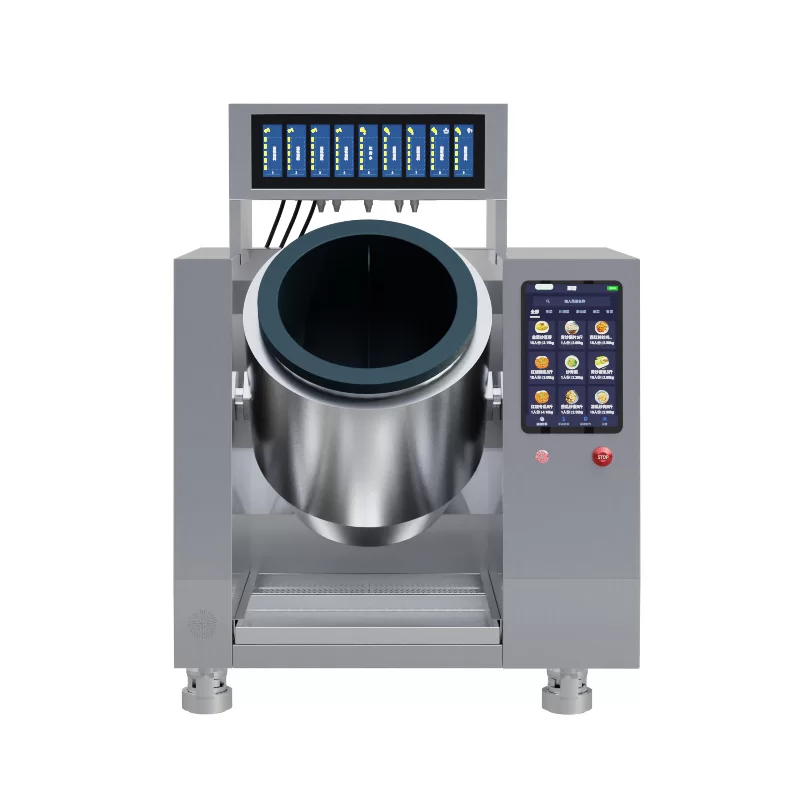
At its core, a Tilting Industrial Wok is a heavy-duty, motorized cooking vessel designed for large-batch stir-frying, simmering, and deep-frying. Unlike a static wok, the tilting version utilizes a gear-driven or hydraulic system that allows the entire bowl to pivot, enabling the operator to pour the finished product into transport containers with minimal effort.
This equipment bridges the gap between artisan cooking and industrial processing. By maintaining the concave shape of a traditional wok, it ensures that heat is concentrated at the bottom while allowing for the rapid movement of ingredients. This is essential for modern food processing plants that require "small-batch quality" but "large-batch quantity," ensuring that nutritional values and taste profiles remain intact.
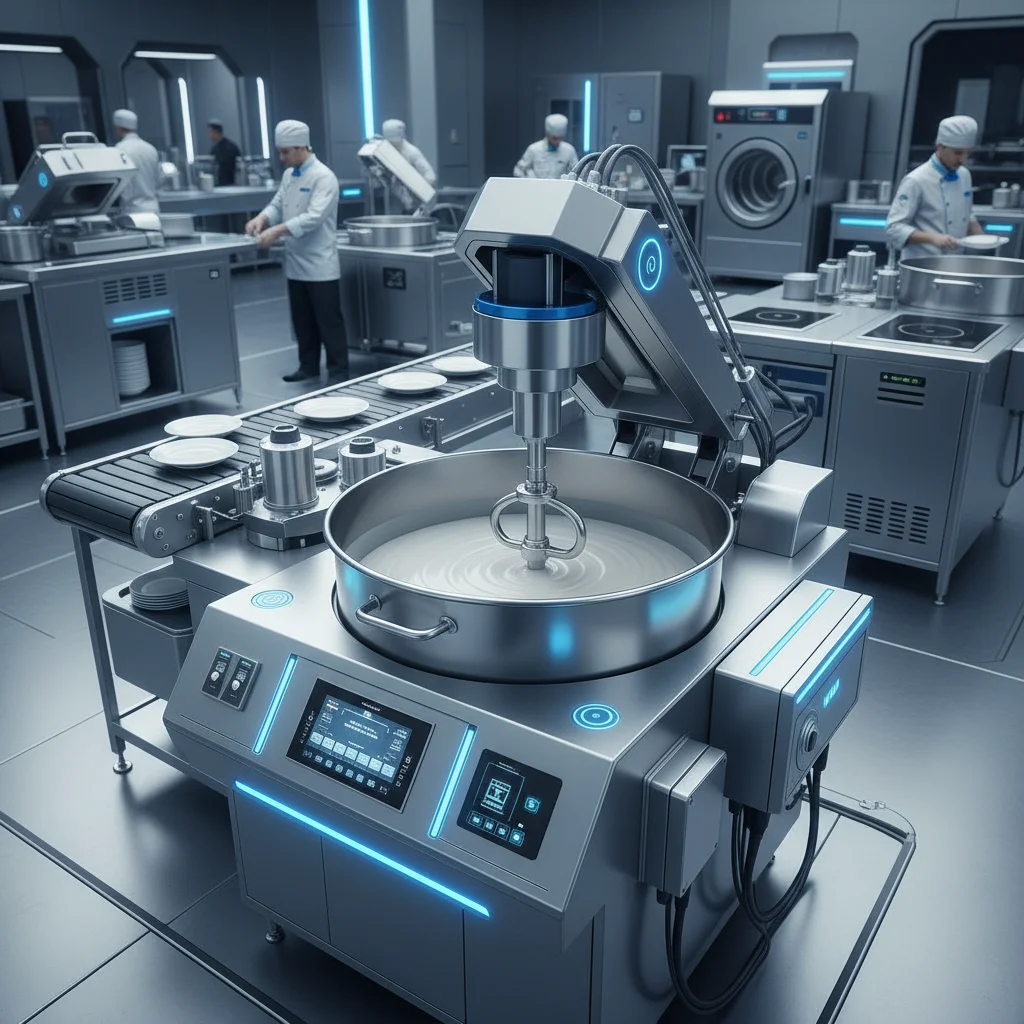
Furthermore, these devices are often integrated into broader kitchen ecosystems, alongside Combi Ovens and Commercial Dishwashers, to create a seamless production line. Their versatility makes them indispensable for humanitarian food relief programs and remote industrial zones where a single piece of equipment must be capable of preparing a wide variety of meals for a large workforce.
The durability of a Tilting Industrial Wok begins with its material composition. Most high-end models utilize food-grade stainless steel or reinforced carbon steel with specialized coatings to prevent corrosion and ensure a non-stick surface under extreme temperatures. This structural integrity is what allows the machine to withstand the rigorous daily cycles of heating and cooling.
The tilting mechanism is the "heart" of the Tilting Industrial Wok. Whether it uses a manual hand-crank for smaller units or a sophisticated electric actuator for larger capacities, the precision of the tilt angle is crucial. A smooth, controlled pour prevents spills and accidents, ensuring that the kitchen environment remains safe and hygienic.
Thermal efficiency is achieved through advanced heating elements, ranging from high-pressure gas burners to induction coils. The induction-based Tilting Industrial Wok, in particular, offers superior energy efficiency and tighter temperature control, reducing the carbon footprint of the kitchen while preventing the overheating of delicate ingredients.
When evaluating the performance of a Tilting Industrial Wok, operators typically look at the throughput ratio—the amount of food produced per hour compared to labor hours invested. The automation of the tilting process significantly reduces the "unload time," which is often the biggest bottleneck in high-volume catering.
Scalability is achieved by deploying multiple units in a synchronized line. By utilizing standardized capacities, a facility can easily increase its output by adding another unit without needing to redesign the entire kitchen layout. The following data illustrates how different configurations of industrial woks impact overall kitchen efficiency.
The Tilting Industrial Wok is employed across diverse sectors. In university dining halls and corporate cafeterias, it allows for the rapid preparation of diverse menus, from Asian stir-fries to hearty stews, serving thousands of students or employees within tight time windows. The ability to tilt and empty ensures that the transition from cooking to serving is nearly instantaneous.
In more specialized contexts, such as post-disaster relief operations run by NGOs, these woks are often installed in mobile kitchen units. Their robustness and ability to handle bulk ingredients make them ideal for producing nutrient-dense meals in challenging environments. Whether in a remote mining camp in Australia or a relief center in Southeast Asia, the reliability of the equipment ensures that food security is maintained.
Investing in a Tilting Industrial Wok provides tangible economic benefits over time. By reducing the labor required for stirring and unloading, companies can lower their operational costs and minimize the risk of workplace injuries. The long-term value is found in the machine's durability; a well-maintained industrial wok can operate for decades, providing a low total cost of ownership (TCO).
From a sustainability perspective, modern versions of these machines are designed to minimize heat loss. Induction heating technology, when paired with a Tilting Industrial Wok, significantly reduces the ambient heat released into the kitchen, lowering the energy required for ventilation and air conditioning. This creates a more comfortable working environment and a smaller ecological footprint.
Beyond the numbers, there is a human element. Providing chefs with the right tools fosters a sense of professional dignity and innovation. When the physical drudgery of bulk cooking is removed, culinary teams can focus on flavor profiles and quality control, leading to higher customer satisfaction and trust in the brand's food quality.
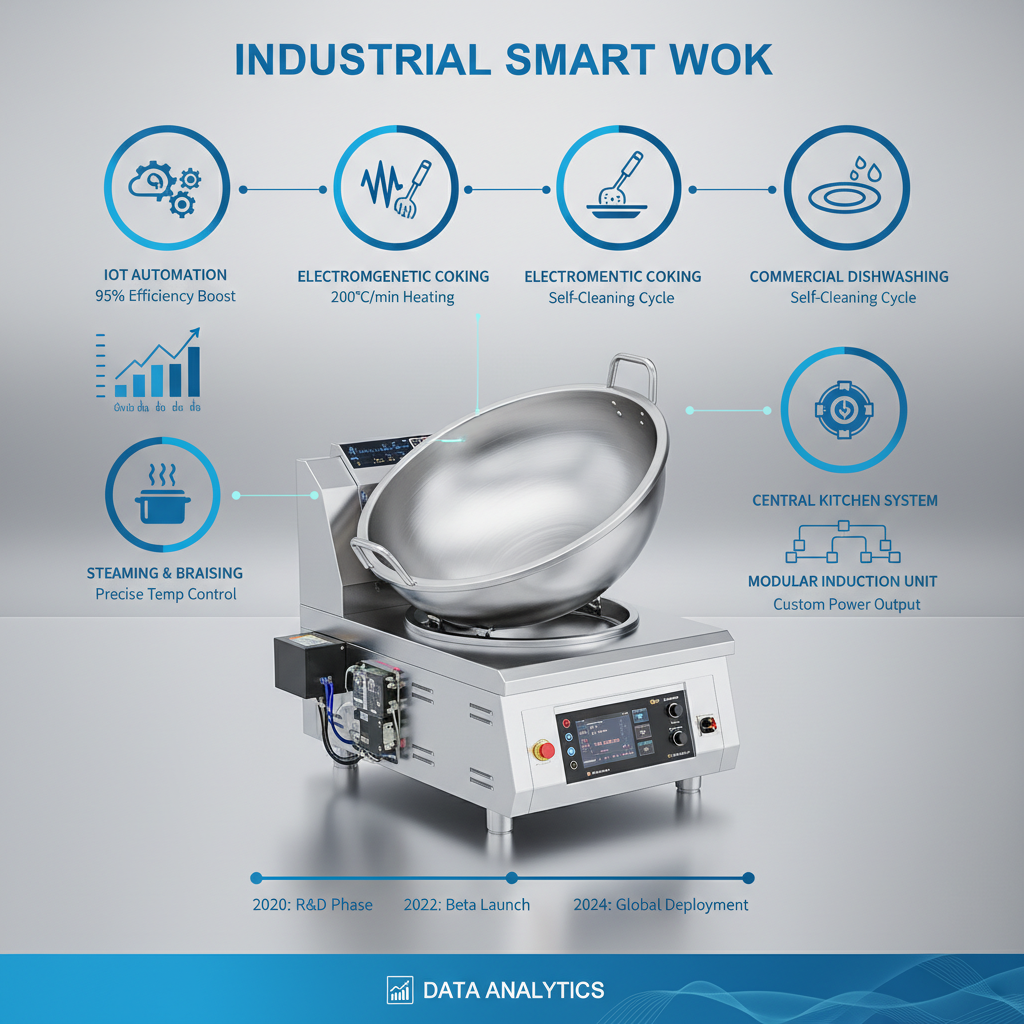
The future of the Tilting Industrial Wok lies in the intersection of automation and the Internet of Things (IoT). We are seeing the emergence of "smart woks" that can monitor temperature in real-time and adjust heat levels automatically to prevent burning, ensuring consistent results across different shifts of operators.
Digital transformation is also bringing programmable tilting cycles. Future models will likely feature preset tilting angles and speeds optimized for different food viscosities, further reducing the need for manual intervention. This movement toward "Kitchen 4.0" aims to integrate food processing equipment into a fully connected data network, optimizing energy use and predictive maintenance.
Sustainability will continue to drive material innovation. We expect to see the use of advanced ceramic coatings that are even more durable and eco-friendly than current options. The goal is to create a Tilting Industrial Wok that is not only a powerhouse of production but also a benchmark for green industrial manufacturing.
| Model Type | Heating Method | Capacity (Liters) | Efficiency Score (1-10) |
|---|---|---|---|
| Standard Gas Wok | High-Pressure Burner | 80L - 120L | 7.2 |
| Electric Induction Wok | Electromagnetic Coil | 60L - 150L | 9.5 |
| Hydraulic Tilting Pro | Mixed Dual-Heat | 200L - 500L | 8.8 |
| Compact Catering Wok | Standard Electric | 40L - 60L | 6.5 |
| Industrial Food-Plant Wok | Steam-Jacketed | 500L - 1000L | 9.0 |
| Customized Chef Series | Variable Induction | 100L - 300L | 9.2 |
The primary advantage is the tilting mechanism, which eliminates the need for manual scooping or lifting of heavy food masses. This significantly reduces labor time and minimizes the risk of burns or musculoskeletal injuries. Additionally, industrial versions offer far superior heat distribution and capacity, making them suitable for institutional cooking where consistency across 100+ portions is required.
Gas burners are often preferred for their intense heat and traditional "wok hei," which is essential for certain stir-fry styles. However, induction is more energy-efficient, offers precise temperature control, and keeps the kitchen cooler. If sustainability and precision are your goals, go with induction; if high-heat searing is your priority, gas is the better choice.
Yes, provided that the equipment is designed with industrial standards. Most high-quality tilting woks feature sealed gearboxes and stainless steel housings that protect the mechanical parts from oil and food debris. Regular lubrication of the tilt axis and cleaning of the exterior housing ensure a lifespan of many years without mechanical failure.
Absolutely. While designed for stir-frying, the deep bowl and adjustable heat settings make them excellent for simmering large batches of soup, boiling pasta, or braising meats. The tilting function is particularly useful here, as it allows for the easy transfer of liquids into stock pots or serving trays without spilling.
Heating time varies by power source. Induction woks heat up almost instantaneously, reaching high temperatures in minutes. Gas woks take slightly longer but provide a consistent thermal mass. Most industrial models are designed to reach cooking temperature within 5 to 10 minutes, depending on the volume of the bowl and the wattage/BTU of the heat source.
Small to medium models often fit standard industrial power grids. However, large-capacity induction or steam-jacketed woks may require 3-phase electricity or specific gas line pressures. We always recommend a site survey or consulting with a technician to ensure your facility's infrastructure can support the power draw of a high-capacity tilting wok.
The Tilting Industrial Wok represents a perfect marriage of traditional culinary art and modern industrial engineering. By solving the critical challenges of bulk food handling, thermal consistency, and operator safety, it has become an indispensable asset in the global catering and food processing landscape. From improving throughput in corporate cafeterias to ensuring food security in relief zones, its value extends far beyond simple cooking.
As the industry moves toward smarter, greener technologies, the adoption of induction-powered and IoT-integrated tilting woks will likely become the standard. For businesses looking to scale their operations without compromising on quality or employee well-being, investing in high-quality, durable industrial cooking equipment is the most strategic path forward. Visit our website for more information: www.smartfoodheat.com

Hit enter to search or ESC to close
If you are interested in our products, you can choose to leave your information here, and we will be in touch with you shortly.