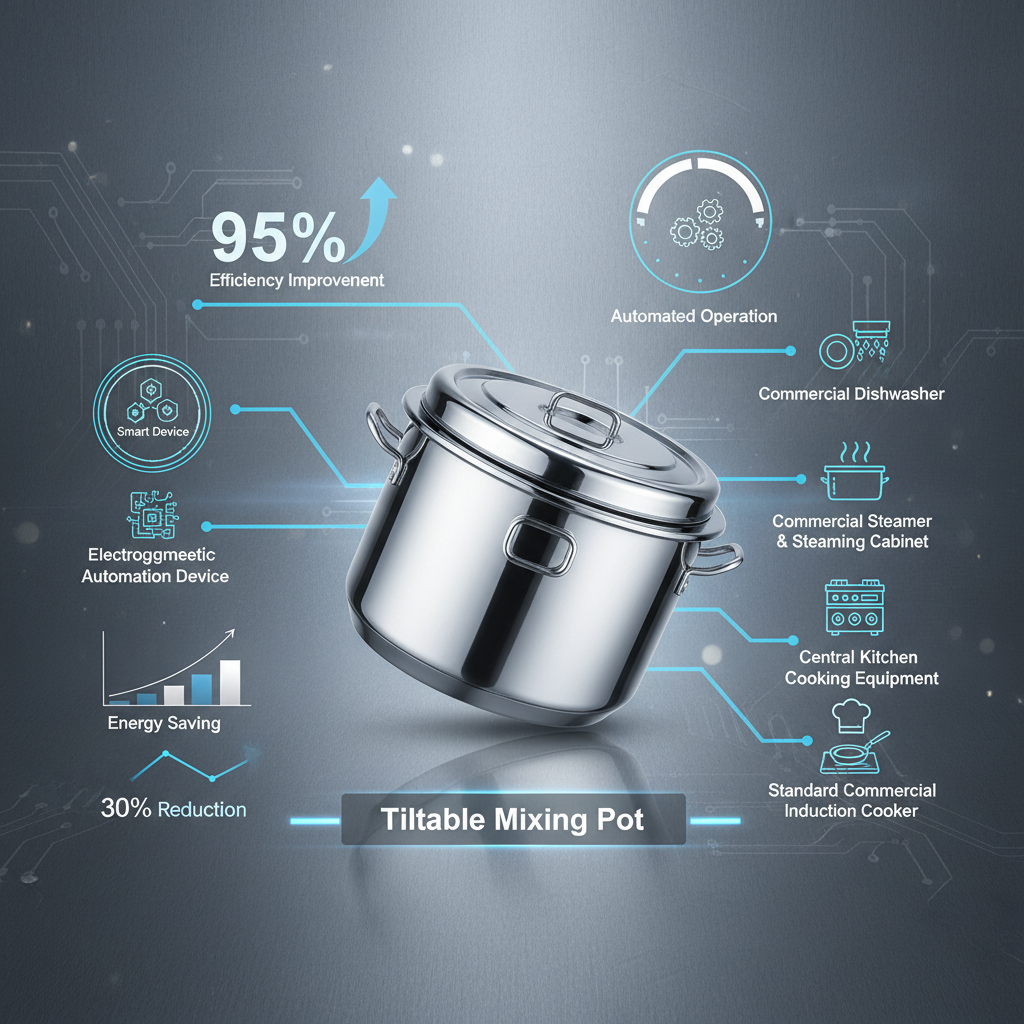
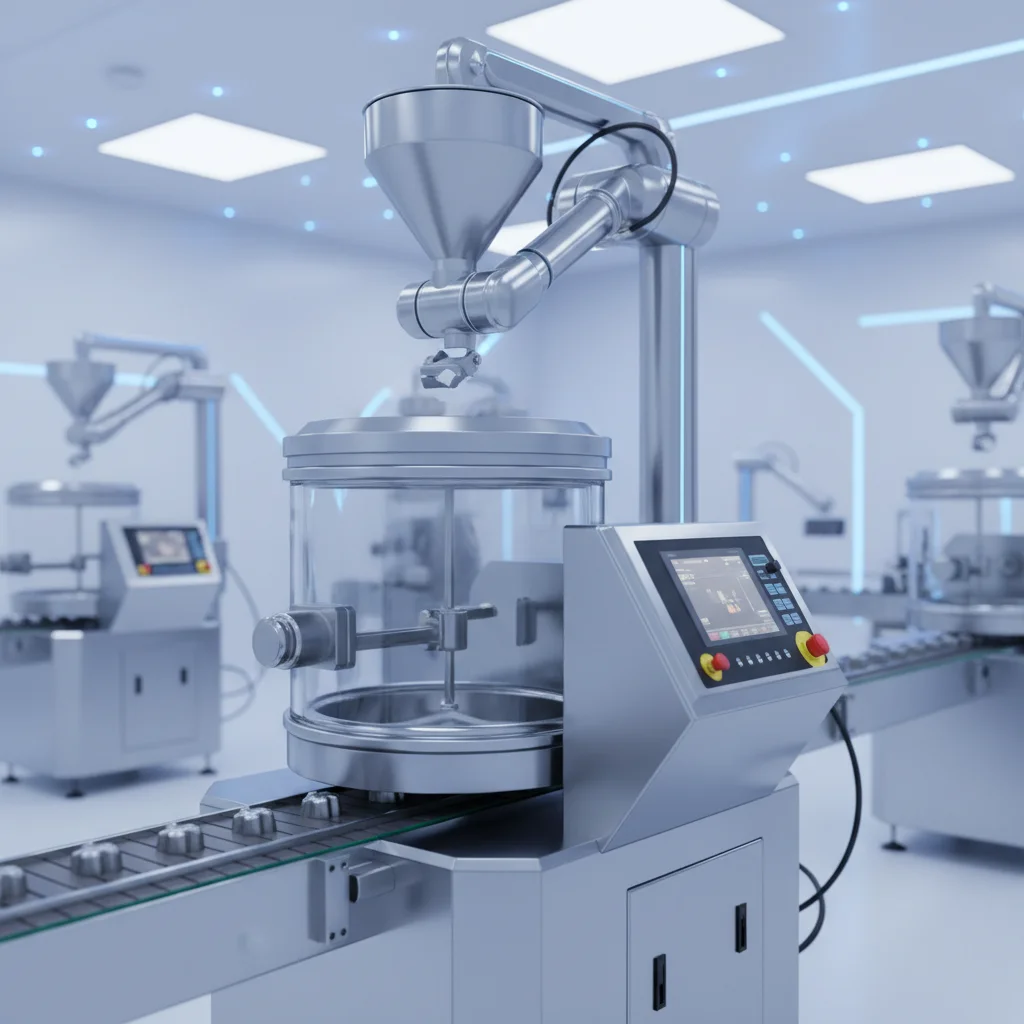
In the demanding world of industrial food production, the efficiency of blending and heating large volumes of ingredients is paramount. A Tiltable Mixing Pot serves as a cornerstone of modern commercial kitchens and food processing plants, bridging the gap between high-capacity cooking and ergonomic handling. By combining precise thermal control with a mechanical tilting mechanism, these systems eliminate the physical strain of manual pouring and ensure consistent product quality.
Globally, the shift toward automation in the food and beverage sector has highlighted the necessity for equipment that minimizes waste and maximizes throughput. Whether it is for preparing large batches of sauces, stews, or confectionery bases, the integration of a specialized tilting system allows operators to transfer viscous materials with ease. This not only accelerates the production cycle but also significantly reduces the risk of workplace injuries associated with heavy lifting in hot environments.
Understanding the technical nuances of a Tiltable Mixing Pot—from its material composition to its heating methods—is essential for any business looking to scale its catering or food manufacturing operations. By investing in the right mixing technology, companies can achieve a higher standard of hygiene, better energy efficiency, and a more streamlined workflow that meets stringent international food safety standards.
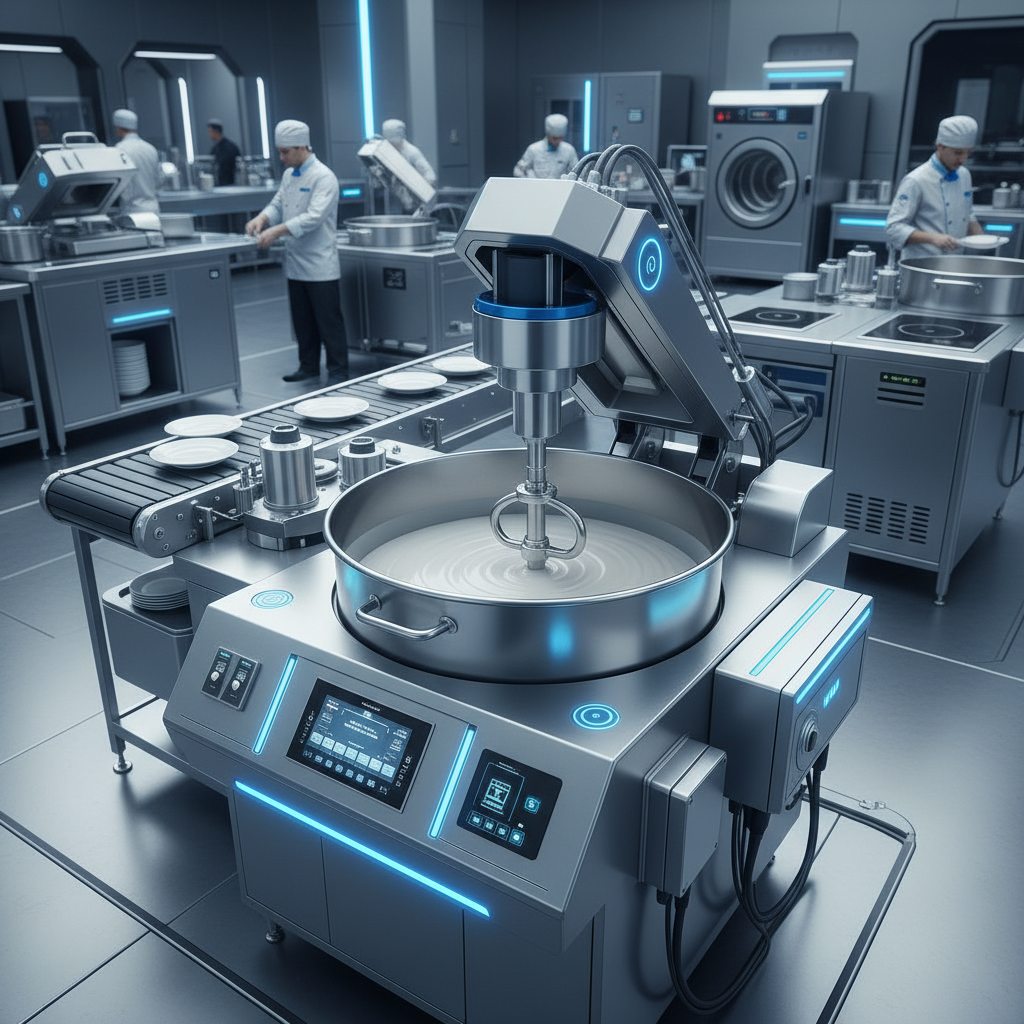
Global Industry Context of Tiltable Mixing Pots
The global demand for processed foods has surged, pushing industrial kitchens to adopt equipment that complies with ISO standards for safety and hygiene. The Tiltable Mixing Pot has become a vital tool in addressing the challenge of "bulk viscosity," where traditional stirring methods fail to provide uniform heat distribution in massive quantities.
In regions like Europe and North America, where labor costs are high and safety regulations (such as OSHA) are strict, the adoption of automated tilting mechanisms has reduced manual handling accidents by nearly 40%. This technological shift ensures that food production remains sustainable and scalable despite the increasing pressure for rapid delivery and high-volume output.
Definition and Technical Meaning
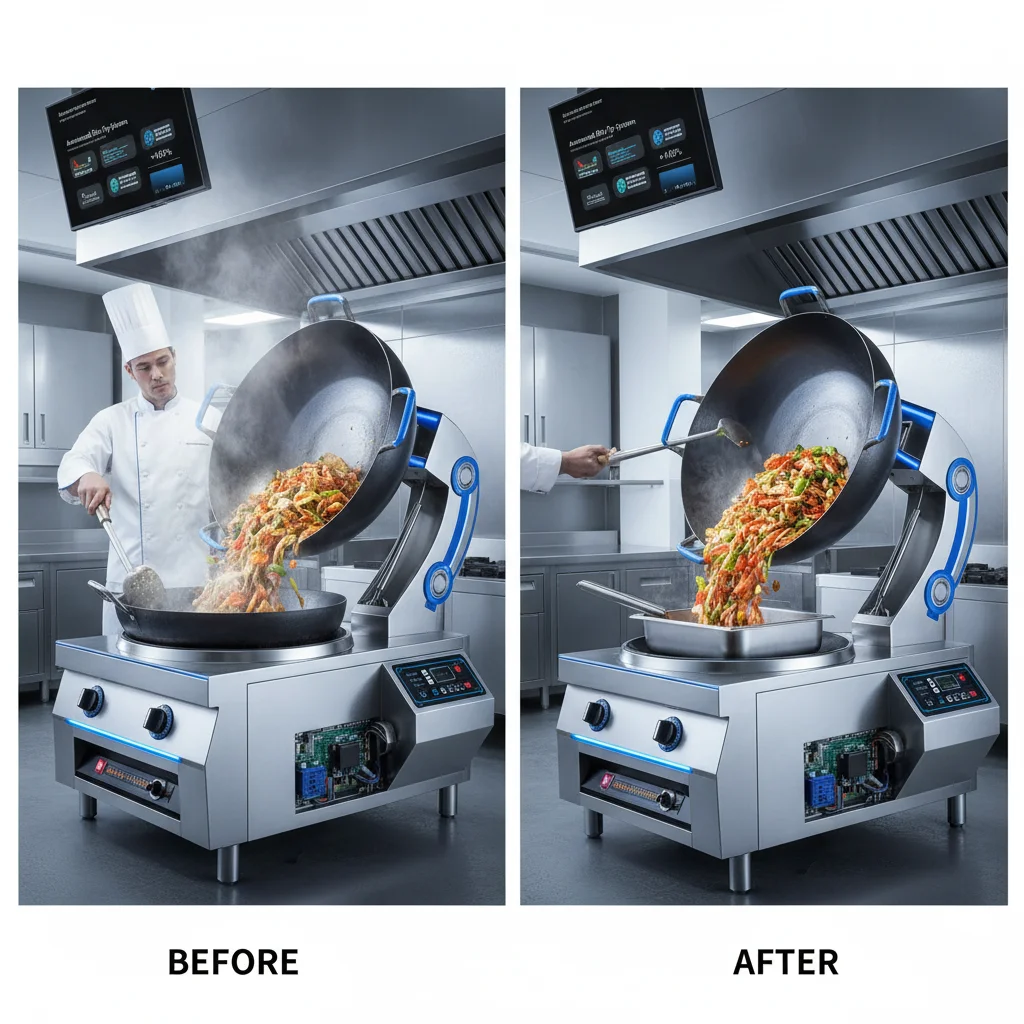
A Tiltable Mixing Pot is a specialized piece of food processing equipment designed to blend, cook, and discharge large volumes of liquid or semi-solid ingredients. Unlike static kettles, it features a rotating axle and a tilting frame—often powered by a hand-wheel or a motorized actuator—that allows the entire vessel to tip forward for easy emptying into containers or conveyor belts.
Technically, these machines are engineered to handle thermal stress and mechanical friction. They often incorporate double-walled jackets for steam or oil heating, ensuring that the heat is distributed evenly across the surface of the pot to prevent "hot spots" that could burn delicate ingredients. This makes them indispensable for humanitarian food programs and large-scale institutional catering.
In the context of modern industry, the "tiltable" aspect is not merely a convenience but a critical hygiene factor. By allowing for a complete and rapid pour, the equipment reduces the time ingredients spend in the "danger zone" of temperature, thereby minimizing bacterial growth and adhering to HACCP (Hazard Analysis and Critical Control Points) guidelines.
Core Components for Maximum Durability
The structural integrity of a Tiltable Mixing Pot depends heavily on the grade of stainless steel used. Typically, AISI 304 or 316 stainless steel is employed to prevent corrosion from acidic foods and to withstand the rigorous chemical cleaning processes required in commercial kitchens.
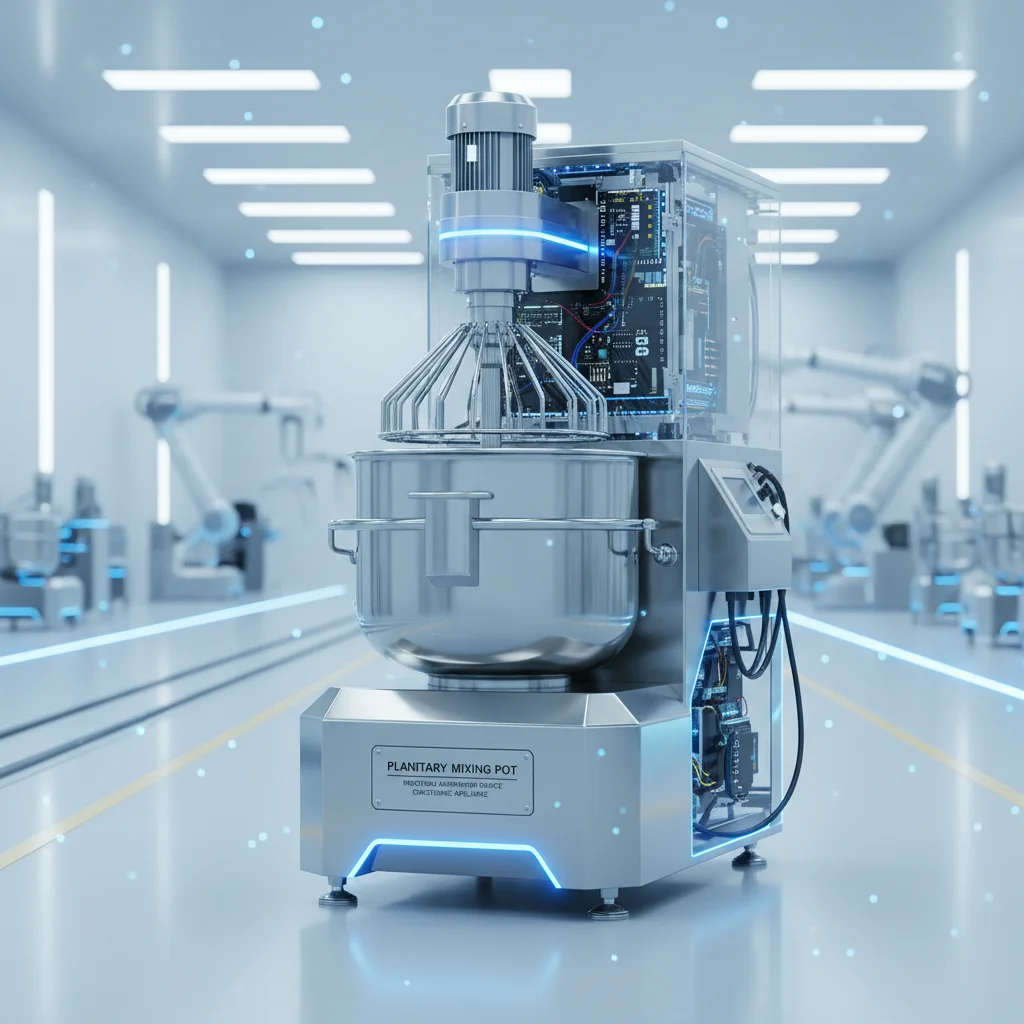
At the heart of the operation is the agitator system. A high-torque motor drives the mixing blades, which are often designed with scrapers that constantly wipe the walls of the Tiltable Mixing Pot. This ensures that no product remains stuck to the sides, maximizing yield and ensuring a perfectly homogeneous mixture.
Finally, the tilting mechanism—whether it is a worm gear or a hydraulic lift—must be engineered for precision. A failure in the locking mechanism during a tilt could lead to catastrophic spills, making the use of heavy-duty safety locks and balanced pivot points a non-negotiable requirement for industrial-grade equipment.
Performance Metrics and Scalability
When evaluating the efficiency of a Tiltable Mixing Pot, operators look at "Thermal Transfer Efficiency" and "Cycle Time." The ability to heat 500 liters of product to a specific temperature within a set timeframe directly impacts the daily revenue of a production facility.
Scalability is achieved through modular design, allowing facilities to transition from a single 100L unit to a battery of 1000L pots without changing their core operational logic. The following data illustrates how different configurations of tilting pots perform across various industry metrics.
Efficiency Comparison of Tiltable Mixing Pot Configurations
Global Applications and Real-World Use Cases
The versatility of the Tiltable Mixing Pot allows it to be deployed in diverse settings. In the pharmaceutical sector, for instance, these pots are used to mix large quantities of gelatin-based mediums or syrups where precise temperature control is critical to prevent the degradation of active ingredients.
In remote industrial zones or post-disaster relief operations, mobile versions of these pots are used by NGOs to provide mass nutrition. The ability to tilt and pour into hundreds of individual ration containers quickly makes the Tiltable Mixing Pot an essential piece of humanitarian infrastructure, ensuring food is distributed safely and efficiently.
Long-Term Value and Economic Advantages
From a financial perspective, the initial investment in a high-quality Tiltable Mixing Pot is offset by the drastic reduction in labor costs. By automating the discharge process, a facility can reduce the number of staff required per shift while simultaneously increasing the batch frequency.
Sustainability is another key driver of value. Modern pots are designed with high-efficiency insulation to minimize heat loss, reducing the energy required to maintain cooking temperatures. This not only lowers utility bills but also aligns with global corporate social responsibility (CSR) goals regarding carbon footprint reduction.
Ultimately, the trust established through consistent product quality leads to higher brand loyalty. When a food manufacturer can guarantee that every batch of sauce has the same texture and flavor—thanks to the uniform mixing of a Tiltable Mixing Pot—they secure their position in a competitive global market.
Future Trends in Mixing Technology
The future of the Tiltable Mixing Pot lies in the integration of IoT (Internet of Things) and AI. We are seeing the emergence of "Smart Pots" that can monitor viscosity in real-time and automatically adjust the mixing speed or heat intensity to achieve the perfect consistency without human intervention.
Furthermore, the move toward green energy is prompting a shift from gas-fired heating to induction heating. Induction Tiltable Mixing Pots offer nearly instantaneous heat-up times and eliminate the risk of open flames in the kitchen, drastically improving safety and energy efficiency.
As digital transformation accelerates, the ability to log every batch's temperature and duration automatically will become standard. This will provide an immutable digital trail for food safety audits, making the Tiltable Mixing Pot a data-driven tool for quality assurance.
Comparative Analysis of Modern Tiltable Mixing Pot Technologies
| Technology Type |
Heating Efficiency |
Maintenance Level |
Operational Cost |
| Steam Jacketed |
High |
Moderate |
Medium |
| Electric Immersion |
Medium |
Low |
Low |
| Induction Heating |
Ultra-High |
Low |
High (Initial) |
| Gas Direct Fire |
Low |
High |
Low |
| Oil-Jacketed |
High (High Temp) |
High |
Medium |
| Hybrid Thermal |
Very High |
Moderate |
Medium |
FAQS
The primary advantage is the ergonomic discharge mechanism. While stationary kettles require manual scooping or pumping to empty, a Tiltable Mixing Pot allows for a complete, gravity-fed pour. This significantly reduces product waste, minimizes the time required for cleaning, and eliminates the risk of back injuries for operators handling heavy volumes of hot food.
Consider your peak hourly throughput and the viscosity of your ingredients. For thinner liquids, larger pots (500L+) are efficient. However, for thick pastes or heavy stews, medium-sized pots (100L-300L) are often better because they allow the agitator to maintain higher torque and ensure more consistent mixing without overloading the motor.
Yes, especially models with polished 316 stainless steel interiors. The tilting feature allows you to pour out all residues easily, and the wide-mouth design provides full access for scrubbing. Many industrial models are also compatible with CIP (Clean-in-Place) systems, which use automated spray balls to sanitize the vessel without dismantling the machine.
Energy costs vary by heating method. Induction-based pots are the most energy-efficient as they heat the pot directly via electromagnetism. Steam-jacketed pots are highly efficient for very large batches but require a boiler. To reduce costs, we recommend models with high-density thermal insulation to prevent heat leakage during the mixing process.
Absolutely, provided you select a model made from AISI 316 stainless steel. While 304 is standard, 316 contains molybdenum, which provides superior resistance to corrosion from salts and acids (like those found in tomato sauces or citrus-based products), ensuring the longevity of the equipment and preventing metallic contamination of the food.
Depending on usage, the pivot points and gears should be lubricated every 3-6 months using food-grade lubricants. It is also critical to inspect the safety locking pins daily. Regular maintenance prevents the mechanism from sticking and ensures that the tilt remains smooth and controlled, which is vital for operator safety.
Conclusion
The Tiltable Mixing Pot represents a critical intersection of mechanical engineering and culinary science. By optimizing the process of heating, blending, and discharging large batches of food, these systems enable producers to increase their capacity while maintaining strict quality and safety standards. From the durability of high-grade stainless steel to the precision of modern tilting actuators, every component is designed to remove the bottlenecks of traditional large-scale cooking.
Looking forward, the transition toward smart, induction-heated mixing systems will further revolutionize the industry, making food production more sustainable and data-driven. For businesses aiming to scale their operations without compromising on product integrity, investing in a professional-grade tilting solution is not just an upgrade—it is a strategic necessity. Discover the best equipment for your facility by visiting our website: www.smartfoodheat.com