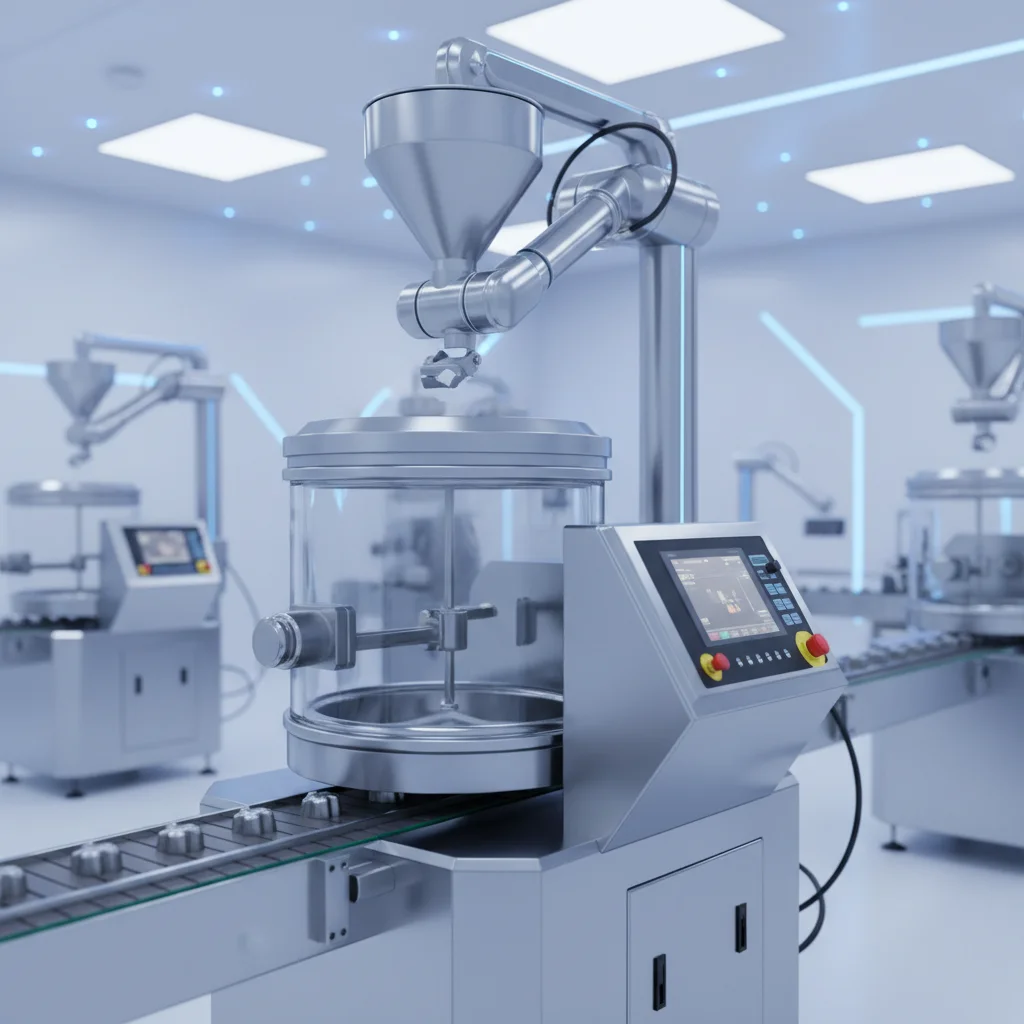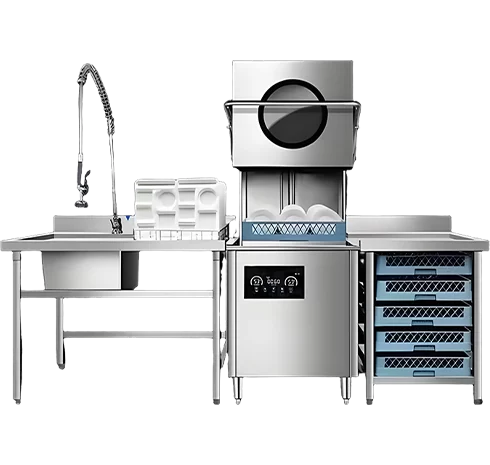
Large gravity kitchen systems are increasingly discussed in commercial food service and central kitchen design, and user reviews highlight both strong advantages and some practical challenges depending on scale, location, and management quality.
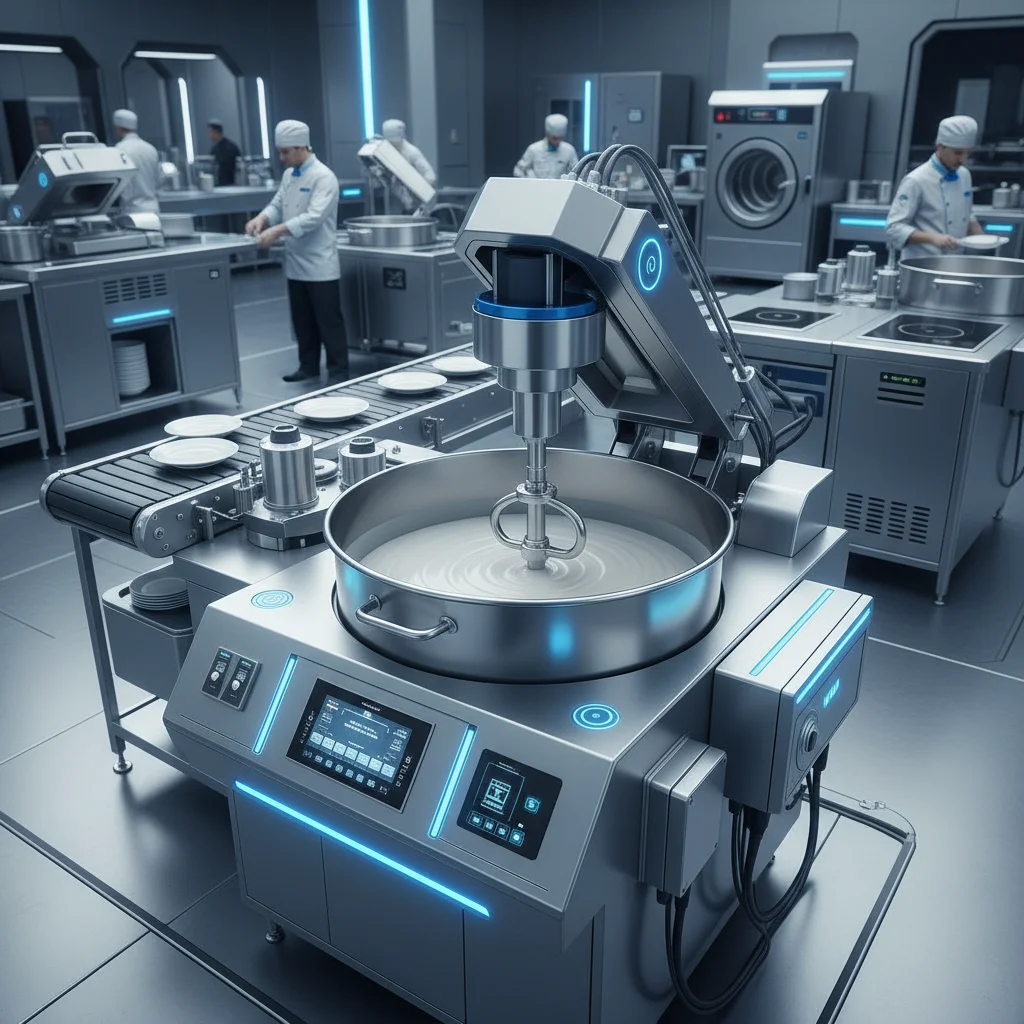
Overall, many operators praise large gravity kitchens for their high efficiency and streamlined workflow. The vertical, gravity-based layout allows ingredients to move smoothly between preparation, cooking, and packaging stages, which reduces manual handling and improves production speed. In large catering or central kitchen environments, users often report that this system significantly boosts output capacity and makes it easier to manage high-volume orders during peak demand. This is especially valued in businesses that prioritize speed and consistency.
Another commonly mentioned benefit in reviews is better hygiene control. Because food moves in a structured, one-direction flow from raw materials to finished products, the risk of cross-contamination is reduced. Operators also appreciate that separating different processing zones improves cleanliness and helps meet food safety standards more easily.
However, reviews also point out some important limitations. The biggest concern is usually the high initial investment and complex installation, since gravity kitchens require multi-level building structures and careful engineering. Some users also mention that if the system is poorly designed or not well-managed, workflow bottlenecks can still occur despite the gravity concept. Maintenance and staff training are also important factors, as the system depends heavily on correct operational discipline.
In summary, large gravity kitchen reviews generally show that this system is highly effective for large-scale food production when properly designed and managed, offering excellent efficiency, hygiene, and productivity benefits, but requiring significant upfront cost and professional planning to reach its full potential.
Hit enter to search or ESC to close