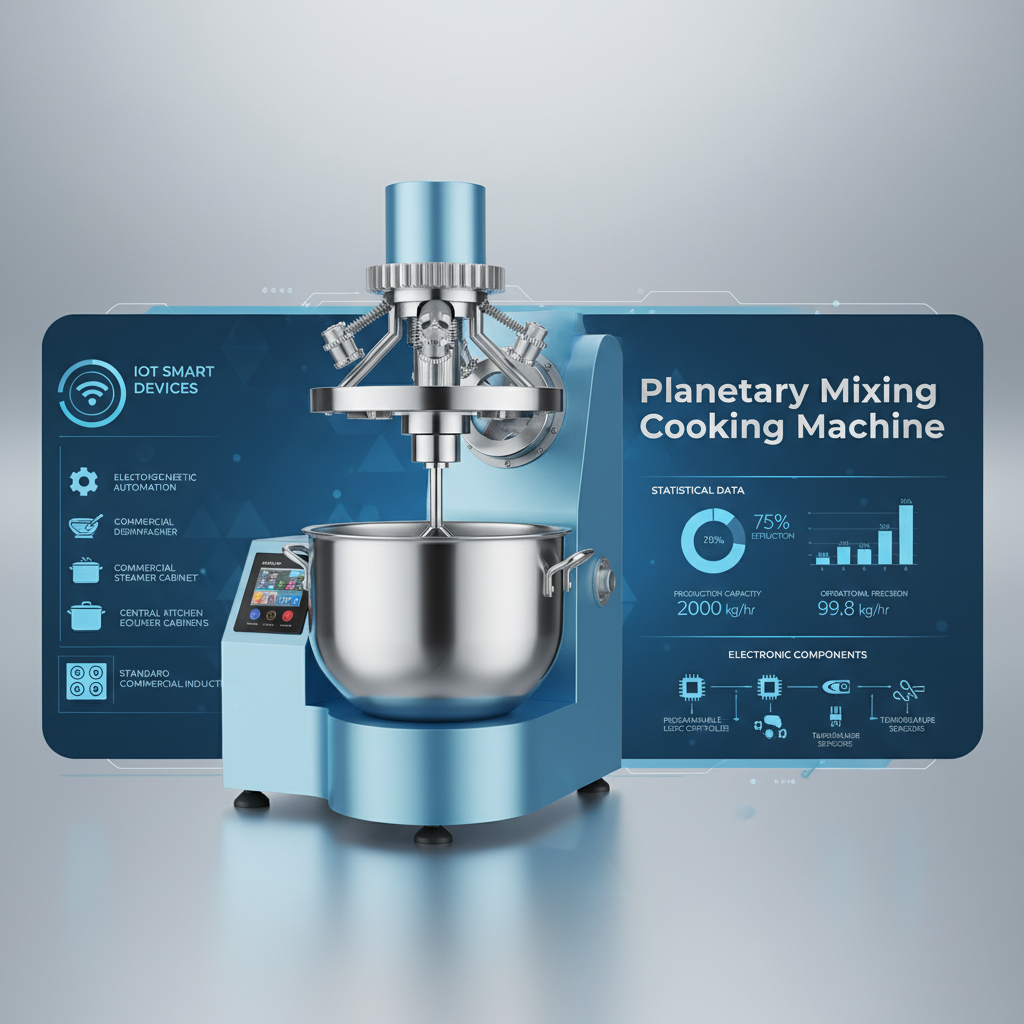
The modern food processing landscape demands a level of precision and scalability that traditional mixing methods simply cannot provide. A Planetary Mixing Cooking Machine represents the pinnacle of thermal processing and blending technology, combining high-shear mixing with controlled heating to ensure product homogeneity. By simulating the orbital motion of planets, these machines eliminate dead zones in the mixing bowl, making them indispensable for high-viscosity food products.
Globally, the shift toward industrial-scale food production has placed immense pressure on manufacturers to maintain strict quality control while increasing throughput. The integration of a Planetary Mixing Cooking Machine into a production line allows for the simultaneous cooking, mixing, and refining of ingredients, significantly reducing the time between raw material input and final product output. This synergy of functions is critical for maintaining the nutritional integrity and texture of gourmet and industrial food items alike.
Understanding the mechanics and application of these systems is not merely a technical requirement but a strategic advantage. From commercial kitchens to large-scale food factories, the ability to scale a recipe without losing the "handmade" quality is the primary benefit. This guide explores how the Planetary Mixing Cooking Machine addresses the challenges of heat distribution and ingredient integration, providing a roadmap for optimizing food production efficiency.
Global Industry Context of Planetary Mixing Cooking Machine
In the global food and beverage sector, the demand for processed convenience foods has seen a CAGR of over 5% according to recent market analysis. This growth necessitates equipment that can handle massive volumes without sacrificing the sensory properties of the food. The Planetary Mixing Cooking Machine has emerged as a global standard because it solves the "burn-on" problem common in static heated vats, ensuring that every cubic centimeter of the product is exposed to the heat source and the mixing blade.
Across ISO-certified production facilities in Europe and North America, these machines are pivotal in reducing waste. By utilizing precise thermal controls and planetary agitation, manufacturers can reduce ingredient loss by up to 15%, aligning with global sustainability goals to minimize food waste during the manufacturing stage.
Defining the Planetary Mixing Cooking Machine Mechanism
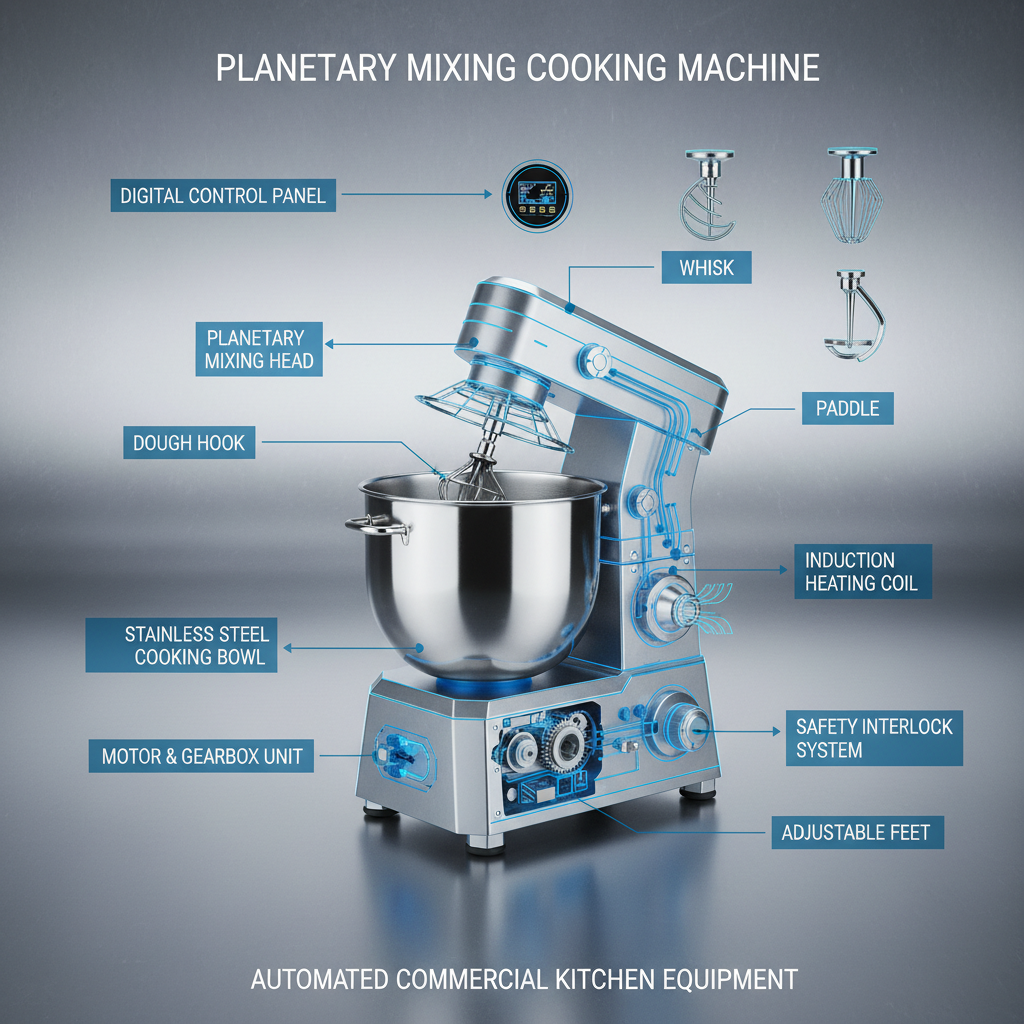
At its core, a Planetary Mixing Cooking Machine is a specialized piece of industrial equipment where the mixing tool rotates on its own axis while simultaneously orbiting the center of the mixing bowl. This dual-rotation system is what gives the machine its "planetary" name. Unlike traditional mixers that leave a dead zone in the center or along the walls, this movement ensures a complete sweep of the vessel, which is critical when heating thick pastes, sauces, or creams.
This mechanism is deeply connected to the modern need for consistency. In the context of industrial food processing, a slight variation in temperature or a clump of unmixed powder can lead to an entire batch being rejected. By combining the cooking (thermal) and mixing (mechanical) phases into one unit, these machines eliminate the need to transfer hot, viscous materials between different containers, thereby reducing contamination risks.
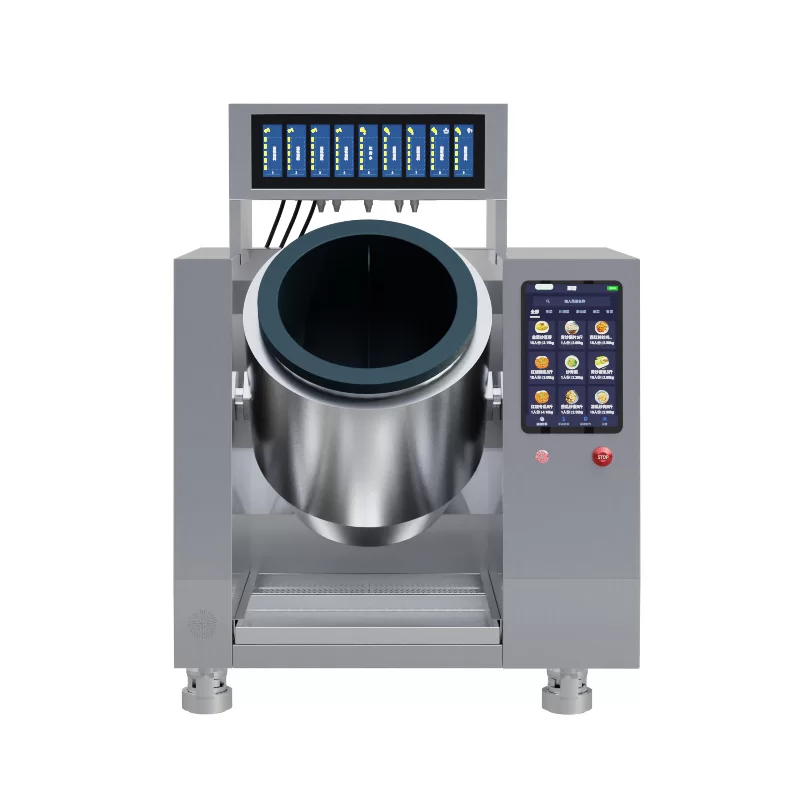
From a humanitarian and large-scale catering perspective, such as in military kitchens or disaster relief hubs, these machines provide the ability to produce nutrient-dense meals for thousands of people rapidly. The ability to stir-fry, boil, and blend in one automated cycle ensures that food is cooked evenly and safely, regardless of the volume produced.
Core Components and Technical Factors
The durability of a Planetary Mixing Cooking Machine is primarily determined by the quality of its stainless steel construction. Food-grade 304 or 316L stainless steel is essential to prevent corrosion from acidic ingredients and to meet stringent health department regulations. The structural integrity of the planetary gear system ensures that the machine can withstand the high torque required to move heavy, viscous loads without mechanical failure.
Thermal efficiency is another critical factor. Most high-end Planetary Mixing Cooking Machine models utilize a jacketed heating system, where steam or thermal oil circulates around the bowl. This prevents direct flame contact with the product, eliminating hotspots and ensuring a gradual, uniform rise in temperature, which is vital for emulsions and delicate creams that would otherwise break or scorch.
Scalability and control systems round out the core components. Modern units are equipped with PLC (Programmable Logic Controller) interfaces, allowing operators to set precise temperature curves and rotation speeds. This digital transformation means that a recipe developed in a small test kitchen can be replicated exactly in a 500-liter Planetary Mixing Cooking Machine, ensuring brand consistency across global markets.
Practical Applications and Global Use Cases
The application of the Planetary Mixing Cooking Machine spans a diverse range of industries. In the confectionery sector, it is used to create smooth caramels and fudges where constant agitation is required to prevent crystallization. In the savory food industry, it is the gold standard for producing large batches of mayonnaise, ketchups, and gourmet sauces that require high-shear emulsification combined with precise heating.
Beyond commercial factories, these machines are deployed in specialized environments. For instance, in remote industrial zones or mining camps, high-capacity planetary cookers allow a small staff to feed thousands of workers efficiently. Similarly, in pharmaceutical grade food production, these machines are used to create nutrient gels and medical-grade supplements where absolute homogeneity is a safety requirement.
Performance Efficiency of Different Planetary Mixing Cooking Machine Configurations
Long-Term Value and Operational Advantages
Investing in a Planetary Mixing Cooking Machine yields significant long-term financial and operational gains. The most immediate benefit is the drastic reduction in labor costs; a process that previously required four workers to manually stir a vat can now be handled by a single operator monitoring a control panel. This not only lowers overhead but also removes the risk of human error in the cooking process.
From a sustainability perspective, these machines are designed for energy efficiency. Modern induction-based planetary mixers transfer heat directly to the vessel, reducing energy waste and shortening cook times. This operational reliability fosters a sense of trust and stability in the production chain, allowing businesses to commit to larger contracts with the confidence that they can meet demand without compromising quality.
Future Trends in Mixing and Thermal Automation
The future of the Planetary Mixing Cooking Machine is inextricably linked to the "Industry 4.0" movement. We are seeing the integration of IoT (Internet of Things) sensors that can monitor the viscosity and temperature of a batch in real-time, automatically adjusting the mixing speed or heat output to maintain the perfect consistency. This move toward "smart mixing" reduces the reliance on manual sampling and accelerates the production cycle.
Furthermore, there is a growing trend toward the use of bio-based lubricants and energy-recovery systems. Future iterations of these machines are likely to incorporate heat exchangers that capture excess steam and repurpose it for other plant functions, further lowering the carbon footprint of food manufacturing.
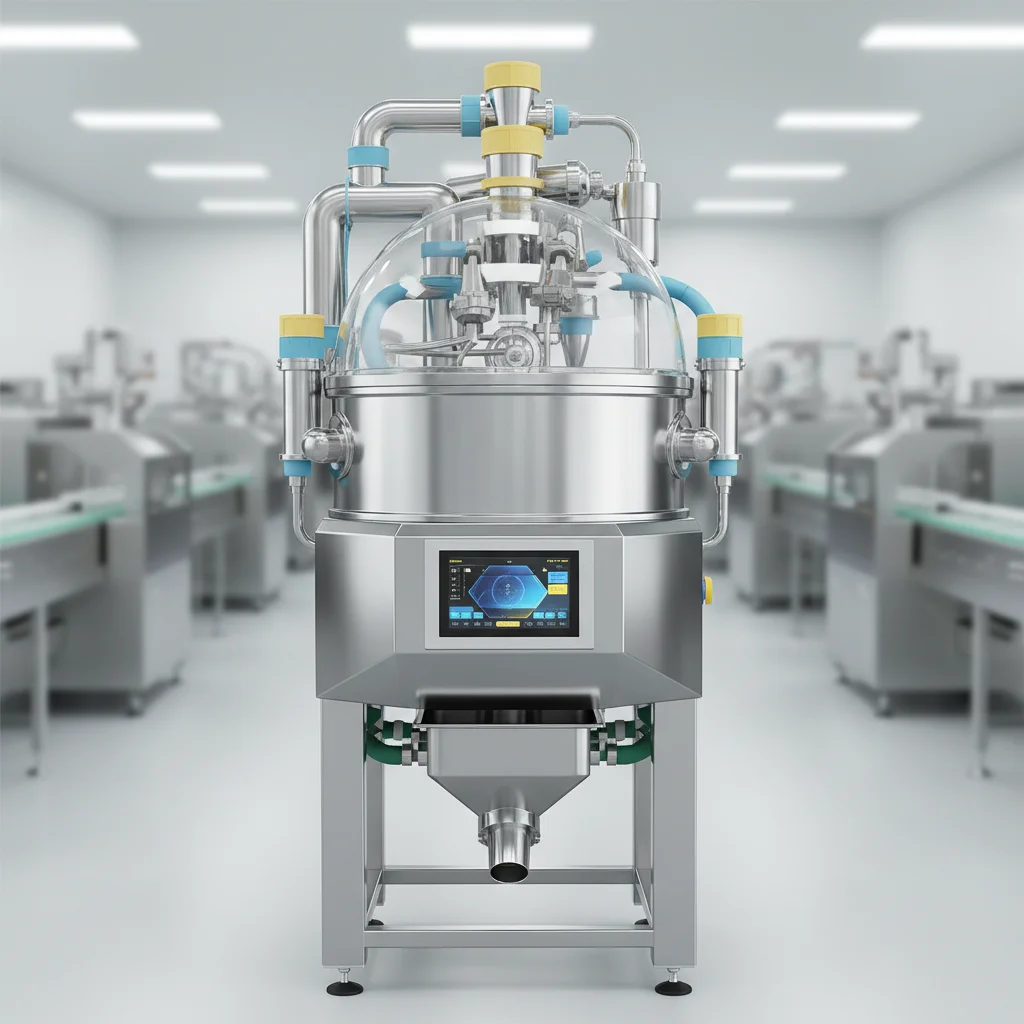
Automation is also extending to the cleaning process. CIP (Clean-in-Place) technology is becoming a standard feature for Planetary Mixing Cooking Machine systems, allowing the interior of the vessel and the mixing arms to be sanitized without disassembly. This reduces downtime and ensures that the highest hygiene standards are maintained in accordance with global food safety laws.
Overcoming Common Implementation Challenges
One of the primary challenges in adopting a Planetary Mixing Cooking Machine is the initial capital expenditure. For small to medium enterprises, the cost can be daunting. However, the solution lies in calculating the Total Cost of Ownership (TCO). When factoring in labor savings, reduced waste, and increased batch consistency, the ROI (Return on Investment) is typically realized within 18 to 24 months.
Another common issue is the complexity of maintenance for the planetary gear system. To overcome this, manufacturers are now implementing modular gearboxes that can be serviced or replaced without dismantling the entire machine. Training staff on preventative maintenance—such as regular lubrication and seal checks—can extend the lifespan of the equipment by several years.
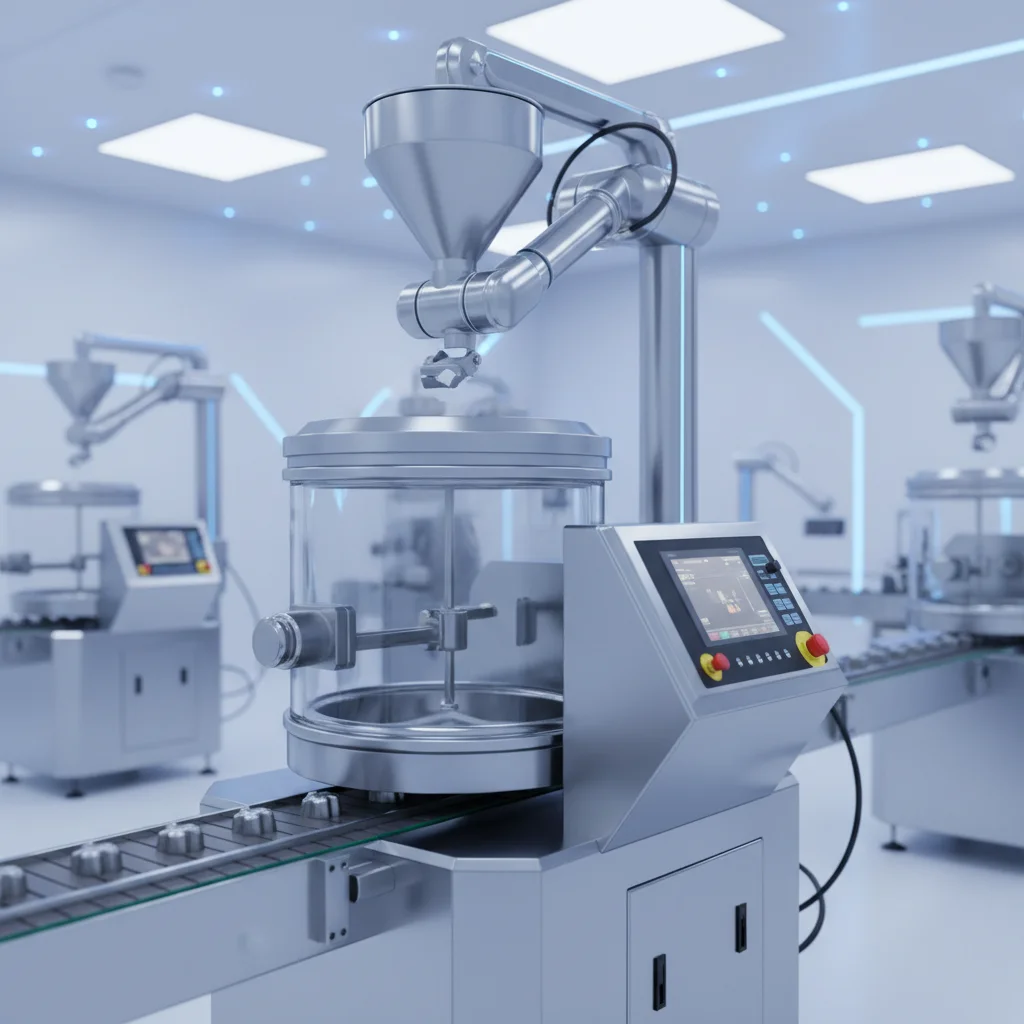
Finally, integrating these machines into existing legacy lines can cause workflow bottlenecks. The expert approach is to implement a modular production layout, where the Planetary Mixing Cooking Machine acts as the central hub, fed by automated ingredient dispensers and linked to automated packaging lines, creating a seamless flow of material.
Analysis of Planetary Mixing Cooking Machine Technical Specifications and Performance
| Model Type |
Mixing Efficiency |
Thermal Uniformity |
Energy Rating |
| Standard Planetary |
8/10 |
7/10 |
6/10 |
| Vacuum Planetary |
10/10 |
9/10 |
7/10 |
| Induction-Heated |
9/10 |
10/10 |
9/10 |
| High-Shear Planetary |
10/10 |
8/10 |
8/10 |
| Steam-Jacketed |
7/10 |
9/10 |
8/10 |
| Compact Lab Series |
9/10 |
8/10 |
7/10 |
FAQS
The primary difference lies in the orbital movement. While a paddle mixer rotates around a single central axis, leaving "dead zones" near the walls, the planetary system rotates the blade on its own axis while orbiting the bowl. This ensures that 100% of the product is moved and mixed, which is essential for preventing burnt spots in thick sauces and ensuring a perfectly smooth emulsion in creams.
The choice depends on your product sensitivity. Steam-jacketed systems are excellent for large-scale, high-volume cooking where steady, moderate heat is required. Induction heating is best for precision and speed, offering the highest energy efficiency. Oil-bath systems are typically used for extremely high-temperature applications where steam cannot reach the necessary thermal threshold.
Yes, that is their primary design purpose. Thanks to high-torque gearboxes and the planetary motion, these machines can process heavy pastes, thick doughs, and dense concentrates. To maximize performance, we recommend selecting a model with a reinforced drive system and variable frequency drives (VFD) to control the torque and speed precisely according to the material's thickness.
While the machinery is complex, modern designs incorporate "Clean-in-Place" (CIP) systems and polished stainless steel surfaces that prevent food adhesion. Most mixing arms are easily detachable for deep cleaning. Following a standardized sanitation protocol ensures that these machines meet all FDA and ISO hygiene requirements without requiring excessive downtime.
With proper maintenance—specifically regular lubrication and the use of high-quality food-grade grease—a planetary gear system can last 10 to 15 years in a commercial environment. The key is to avoid overloading the machine beyond its rated capacity and to perform quarterly inspections of the gear wear and seal integrity.
Absolutely. Depending on the application, you can use whisk-style blades for aeration, flat beater blades for mixing, or scraping blades that continuously clear the sides of the bowl. Most professional systems allow for quick-change tool attachments, enabling one machine to handle multiple different recipes in a single workday.
Conclusion
The Planetary Mixing Cooking Machine is more than just a tool; it is a critical infrastructure component for any food production facility aiming for consistency, efficiency, and scalability. By solving the dual challenges of heat distribution and total-volume agitation, it enables manufacturers to produce high-quality, homogeneous products that meet global standards while significantly reducing labor costs and material waste.
As we move toward a future of smart manufacturing, the integration of IoT and sustainable energy into these systems will only further enhance their value. For businesses looking to optimize their production line, investing in high-grade planetary technology is a strategic step toward long-term profitability and brand reliability. Visit our website for more information: www.smartfoodheat.com