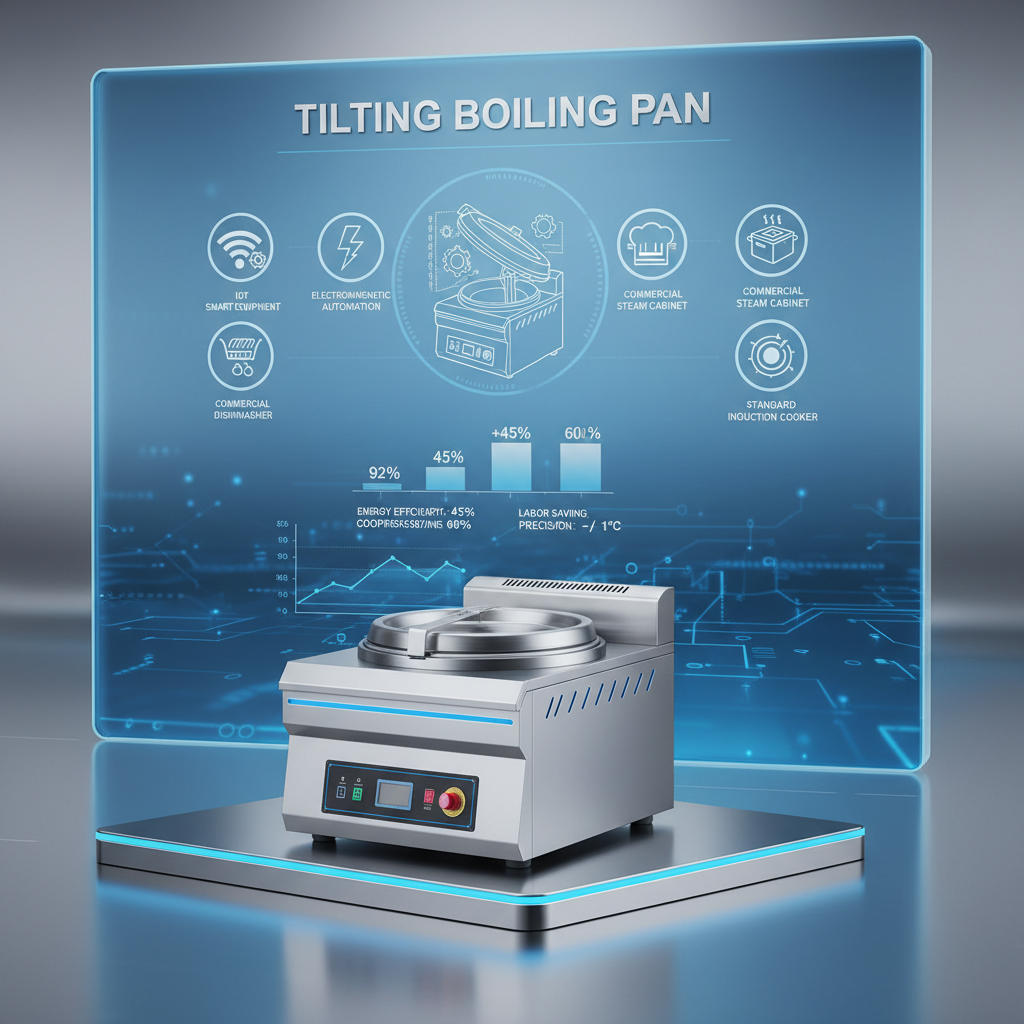
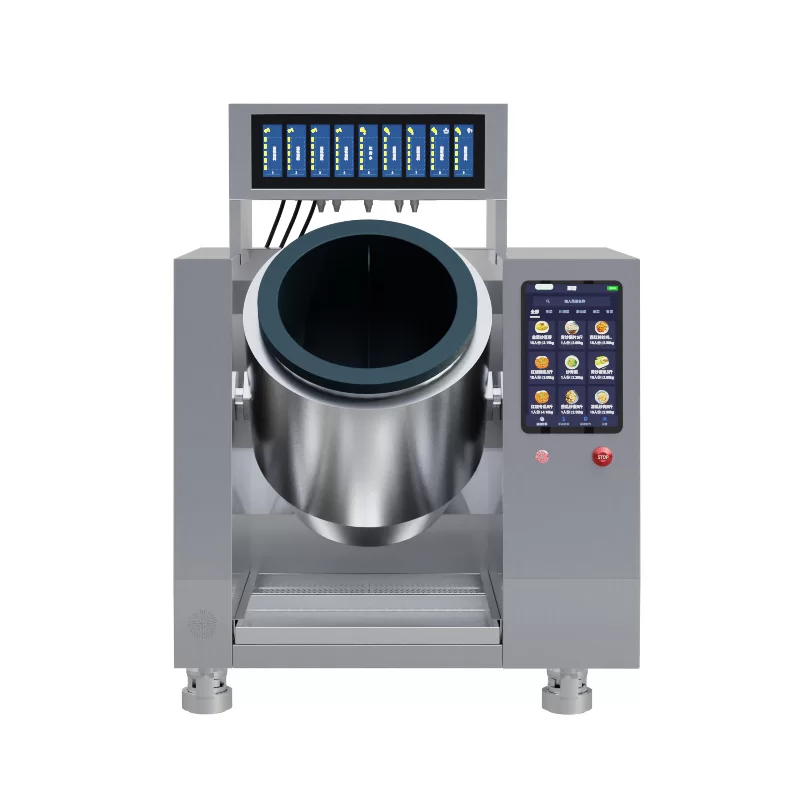
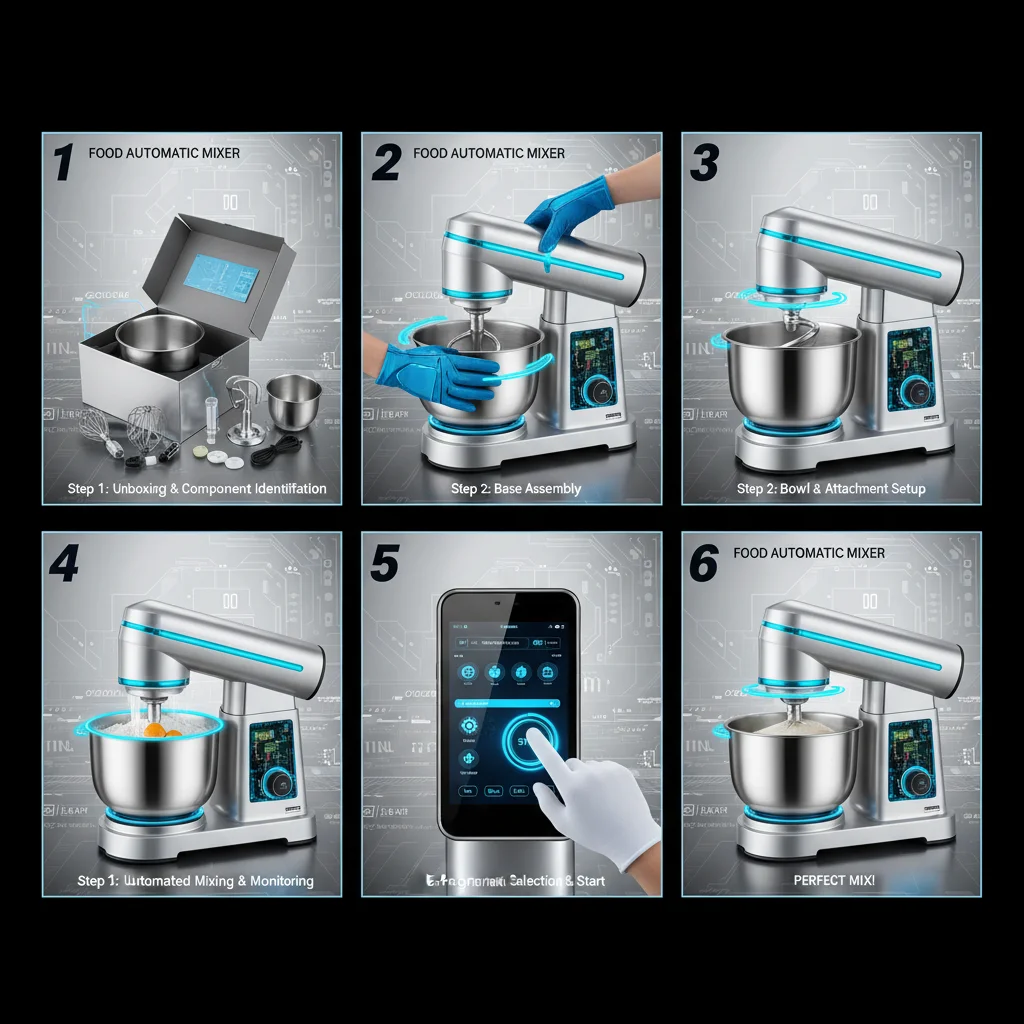
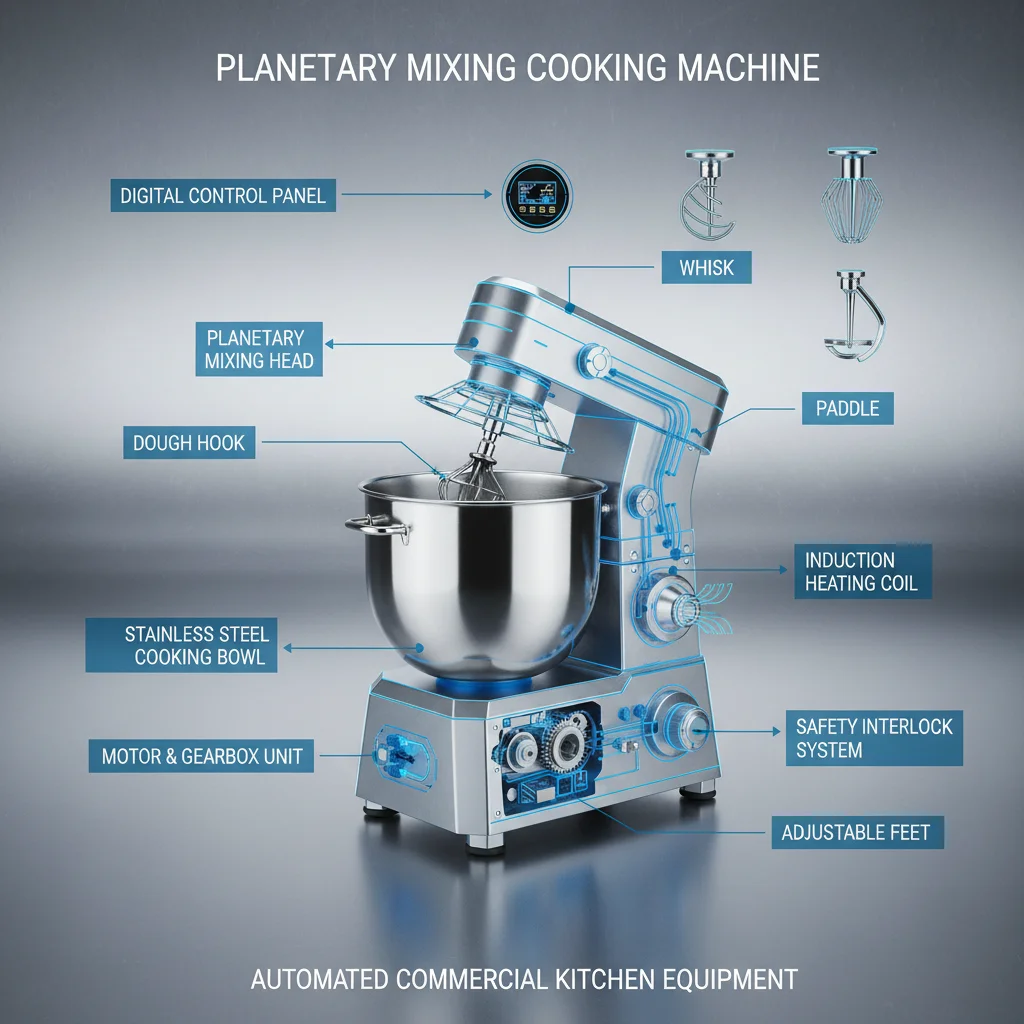
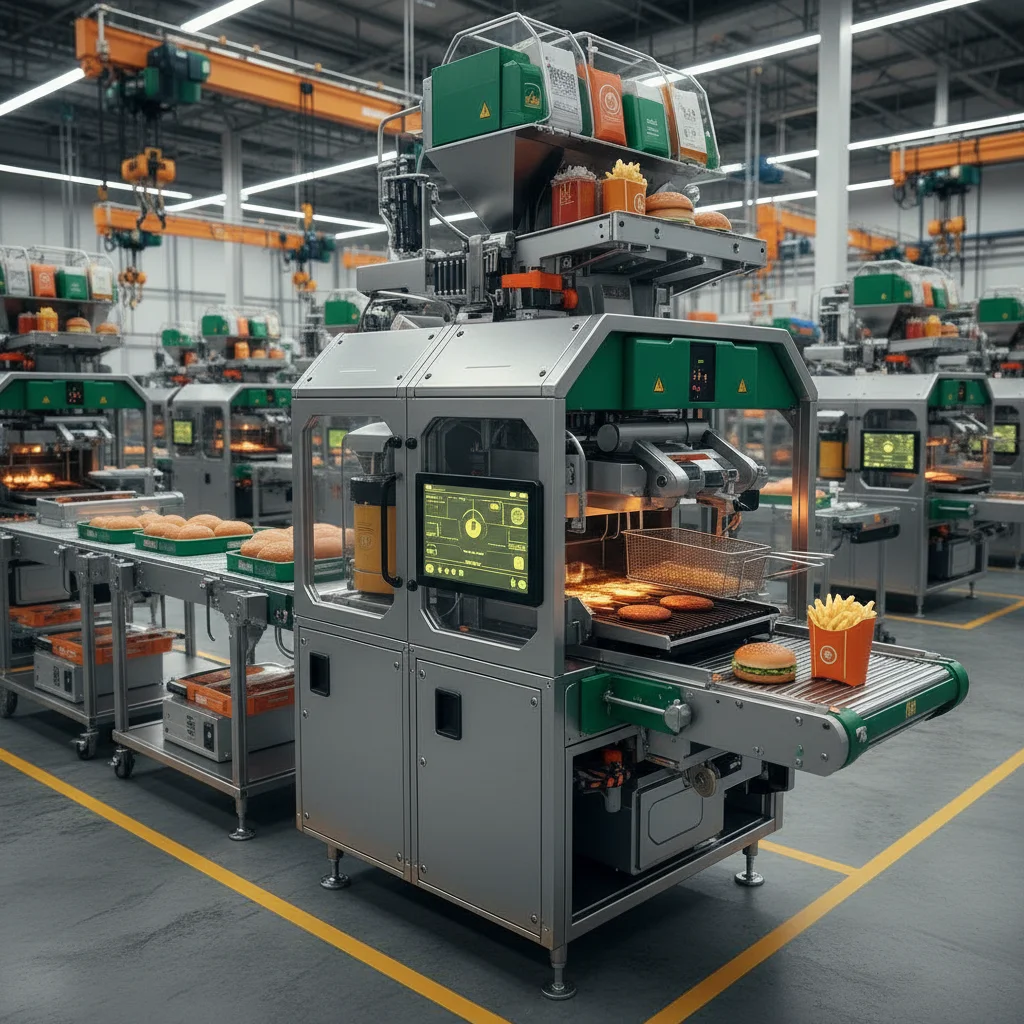
The Tilting Boill Pan stands as a cornerstone of high-volume culinary production, bridging the gap between traditional stovetop cooking and industrial-scale food processing. By combining the functions of a frying pan, a stock pot, and a brazier into one versatile unit, it allows commercial kitchens to execute a vast array of cooking techniques—from searing and sautéing to simmering and boiling—without needing multiple specialized appliances.
In the global landscape of food service, the efficiency of heat distribution and the ease of product discharge are critical for maintaining operational flow. The mechanical tilting mechanism of these pans solves the perennial problem of manually transferring heavy volumes of hot liquids or solids, thereby reducing workplace injuries and minimizing product waste. This versatility makes them indispensable in settings ranging from corporate cafeterias to large-scale food manufacturing plants.
Understanding the nuances of a Tilting Boill Pan is not merely about knowing its technical specs, but about recognizing its role in optimizing labor costs and ensuring consistent food quality. As global food demand increases and labor shortages persist in the hospitality sector, investing in multi-functional, ergonomic equipment becomes a strategic necessity for any business aiming for scalability and sustainability.
The Global Industry Context of Tilting Boill Pan
Across the globe, the food service industry is facing an unprecedented need for efficiency. According to industry benchmarks and ISO standards for commercial kitchen safety, the transition from static pots to tilting equipment has significantly reduced workplace accidents related to burns and heavy lifting. In regions with rapidly growing urban populations, such as Southeast Asia and Latin America, the Tilting Boill Pan has become a staple in institutional feeding programs and centralized kitchens.
The primary challenge these machines address is the "bottleneck" effect in large-scale cooking. Traditional methods of stirring and emptying massive quantities of stew or sauce are labor-intensive and slow. By integrating a tilting mechanism, facilities can transition from the cooking phase to the plating or storage phase in a fraction of the time, allowing for a higher turnover of meals while maintaining strict temperature controls.
Defining the Modern Tilting Boill Pan
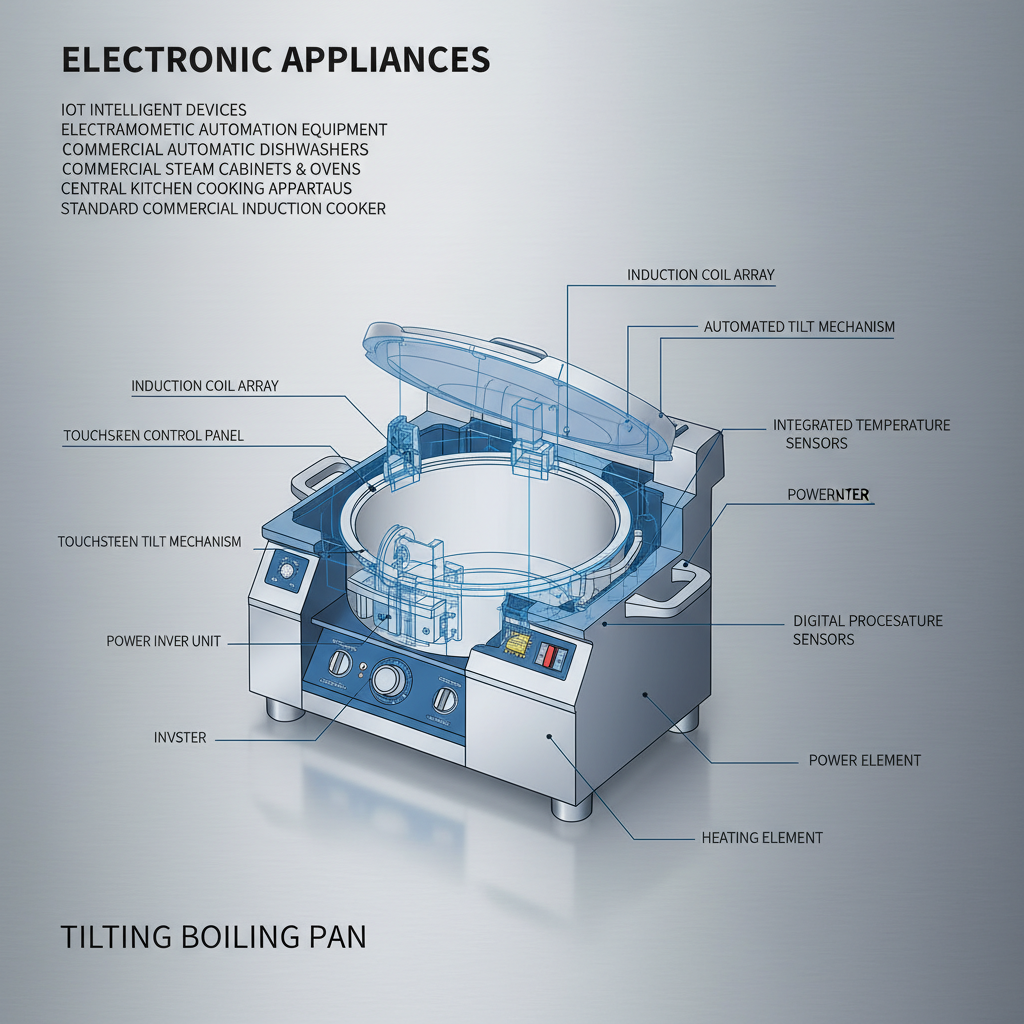
At its core, a Tilting Boill Pan is a large, shallow, heavy-duty cooking vessel designed for versatility. Unlike a standard stock pot, it features a wide surface area that facilitates rapid evaporation and browning, and a specialized heating system—usually gas, electric, or steam—that ensures uniform heat distribution across the base. The defining characteristic, as the name suggests, is the geared tilting mechanism that allows the operator to pour the contents into containers with precision.
From a humanitarian perspective, these devices are critical in disaster relief and emergency feeding centers. When NGOs need to provide thousands of hot meals in temporary shelters, the ability to boil large quantities of grains or legumes and empty them quickly into distribution trays is a matter of logistical survival. The simplicity of its operation combined with its massive output capacity makes it a humanitarian tool as much as a commercial one.
In the context of modern food processing, the Tilting Boill Pan is often viewed as a hybrid between a skillet and a kettle. It is engineered to handle high viscosity liquids and heavy solids without the risk of scorching, provided the temperature is managed correctly. This makes it the ideal choice for preparing base sauces, large batches of soup, or braising meats for industrial catering.
Core Components and Engineering Factors
The durability of a Tilting Boill Pan depends heavily on the grade of stainless steel used in its construction. High-quality 304 or 316 stainless steel is essential to prevent corrosion from acidic foods and to ensure that the equipment can withstand the rigors of daily scrubbing and high-heat cycles.
Thermal efficiency is another critical factor. Modern pans utilize multi-layered bottoms or jacketed heating systems that distribute heat evenly, preventing "hot spots" that lead to burnt food. This engineering precision ensures that whether you are simmering a delicate cream sauce or boiling a heavy stew, the results remain consistent across the entire volume of the pan.
Finally, the tilting mechanism itself must be built for scalability and safety. Heavy-duty gears and locking systems prevent accidental tilting, while the ergonomic handle allows operators to control the flow of food. This mechanical reliability ensures that the equipment can operate for decades in high-pressure environments without failure.
Global Applications and Industrial Use Cases
The application of the Tilting Boill Pan spans across various sectors. In the hospitality industry, luxury hotels use them for preparing banquet-style meals where consistency is paramount. In the healthcare sector, hospitals rely on these pans to create nutrient-dense soups and porridges for patients in bulk, ensuring that dietary standards are met across hundreds of meals per shift.
In remote industrial zones, such as mining camps or offshore oil rigs, space is limited but the demand for high-calorie meals is immense. These environments utilize compact, high-efficiency tilting pans to minimize the footprint of the kitchen while maximizing the caloric output. The ability to switch from frying breakfast potatoes to boiling dinner pasta in one vessel is a massive space-saving advantage.
Efficiency Comparison of Industrial Cooking Methods
Tangible Advantages and Long-Term Value
The most immediate advantage of integrating a Tilting Boill Pan is the drastic reduction in labor hours. By eliminating the need for multiple pots and the hazardous process of lifting heavy lids or tilting unstable pots manually, kitchens can operate with fewer staff members without compromising on output quality.
Beyond the logical gains in cost and time, there is an emotional value in workplace dignity and safety. Chefs and kitchen staff experience less physical strain and lower stress levels when they have tools that work with them rather than against them. This investment in quality equipment fosters a culture of professional innovation and trust, as staff feel supported by a safe, high-tech environment.
Future Trends in Cooking Automation
The next evolution of the Tilting Boill Pan lies in the integration of IoT (Internet of Things) and smart sensors. We are seeing the emergence of pans equipped with precision temperature probes that link directly to a central kitchen management system. This allows head chefs to monitor the exact temperature of a simmering sauce from a tablet, ensuring zero burn-out and perfect consistency regardless of who is operating the machine.
Sustainability is also driving design changes. New models are moving toward high-efficiency induction heating, which reduces energy consumption by up to 30% compared to traditional gas burners. These "green" pans not only lower utility bills but also reduce the ambient heat in the kitchen, improving the working conditions for the staff.
Furthermore, we are seeing a trend toward modularity. Future pans may feature interchangeable inserts or automated stirring attachments that can be programmed for specific recipes. This digital transformation turns a simple cooking vessel into a precision instrument, capable of executing complex culinary tasks with robotic accuracy.
Overcoming Common Operational Challenges
Despite their benefits, some users struggle with "hot spots" in older models. The solution lies in the adoption of jacketed steam heating, which surrounds the pan with a layer of steam, ensuring that the heat is applied evenly to the sides and the bottom. This prevents the dreaded scorching of thick sauces and reduces the amount of constant stirring required.
Another common challenge is the maintenance of the tilting gear. Over time, food debris can enter the mechanical joints, leading to stiffness. Expert insight suggests a strict preventative maintenance schedule, including food-grade lubrication of the gears and the use of protective shields, to ensure the mechanism remains fluid for the life of the product.
Lastly, energy inefficiency in older electric models can be a concern. Upgrading to smart thermostats and variable power controllers allows the pan to maintain a simmer without wasting energy. By shifting from a binary "on/off" heating cycle to a modulated power flow, operators can save significant costs over the long term.
Operational Analysis of Tilting Boill Pan Varieties
| Heating Type |
Thermal Uniformity |
Energy Efficiency |
Maintenance Need |
| Gas Burner |
Moderate (7/10) |
Medium (6/10) |
Moderate |
| Electric Element |
Good (8/10) |
Medium (7/10) |
Low |
| Steam Jacketed |
Excellent (10/10) |
High (9/10) |
High |
| Induction |
Very Good (9/10) |
Excellent (10/10) |
Very Low |
| Hybrid System |
Good (8/10) |
High (8/10) |
Moderate |
| Direct Flame |
Low (5/10) |
Low (5/10) |
Medium |
FAQS
While they look similar, a tilting boill pan is typically deeper and optimized for boiling, simmering, and stewing large volumes of liquid. A tilting skillet is generally shallower and designed more for searing, frying, and sautéing. However, high-end models of the Tilting Boill Pan often bridge this gap by offering a flat bottom for searing and enough depth for boiling.
The best way to prevent scorching is to use a jacketed heating system which provides indirect heat. If using an element-based pan, avoid maximum heat for long periods and use a heavy-duty paddle for frequent stirring. Additionally, ensuring the pan is properly pre-heated before adding fats can help distribute the heat more evenly.
Not at all. The tilting feature actually makes cleaning much easier because you can tilt the pan to drain liquids and remnants quickly. Using high-grade stainless steel means that most residue can be removed with a non-abrasive scrubber and food-safe degreaser. We recommend cleaning the tilting gears monthly to ensure smooth operation.
Yes, many models are designed for versatility. You can use them for shallow frying or browning meats before adding liquids for a stew. Just ensure that the oil temperature is monitored closely, as the large surface area can lead to rapid heat buildup. Always use the lowest tilt angle when frying to avoid oil spills.
For a medium-sized cafeteria serving 200-500 people, a capacity of 80 to 120 liters is generally ideal. This allows for sufficient batch cooking without overcrowding the vessel, which would hinder the boiling process. If you plan to cook multiple dishes in succession, a slightly larger pan provides more flexibility.
Ensure your equipment is CE or UL certified and adheres to ISO standards for commercial kitchen machinery. Check for safety features like automatic shut-off valves for gas models and reinforced locking pins for the tilting mechanism. Purchasing from a reputable manufacturer like SmartFoodHeat ensures all these safety benchmarks are met.
Conclusion
The Tilting Boill Pan is far more than just a large pot; it is a strategic investment in kitchen efficiency, operator safety, and culinary consistency. By consolidating multiple cooking methods into one ergonomic machine, it empowers commercial kitchens to scale their operations while reducing physical strain and waste. From its heavy-duty stainless steel construction to the precision of its tilting mechanism, every element is designed to meet the rigorous demands of the modern food service industry.
As we move toward a future defined by automation and sustainability, the role of this equipment will only grow. Integrating smart sensors and energy-efficient heating will further reduce the cost of ownership while enhancing the quality of the final product. For any business looking to optimize its food production pipeline, adopting advanced tilting technology is the most logical step toward operational excellence. Visit our website for more professional solutions: www.smartfoodheat.com