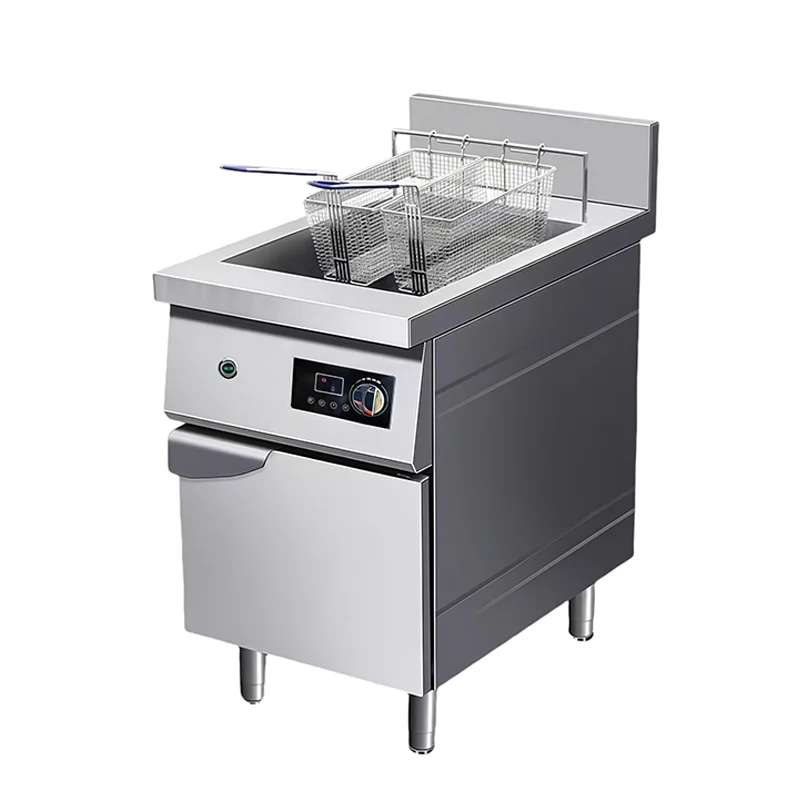
Single-Tank Fryer
READ MORE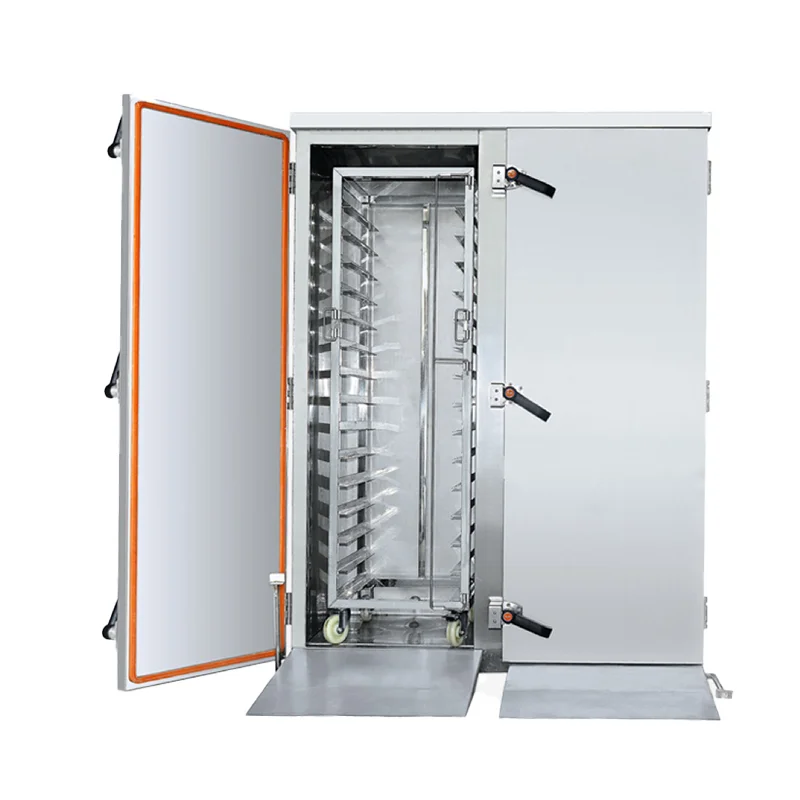
Trolley-type Electric Steamer Cabinet
READ MORE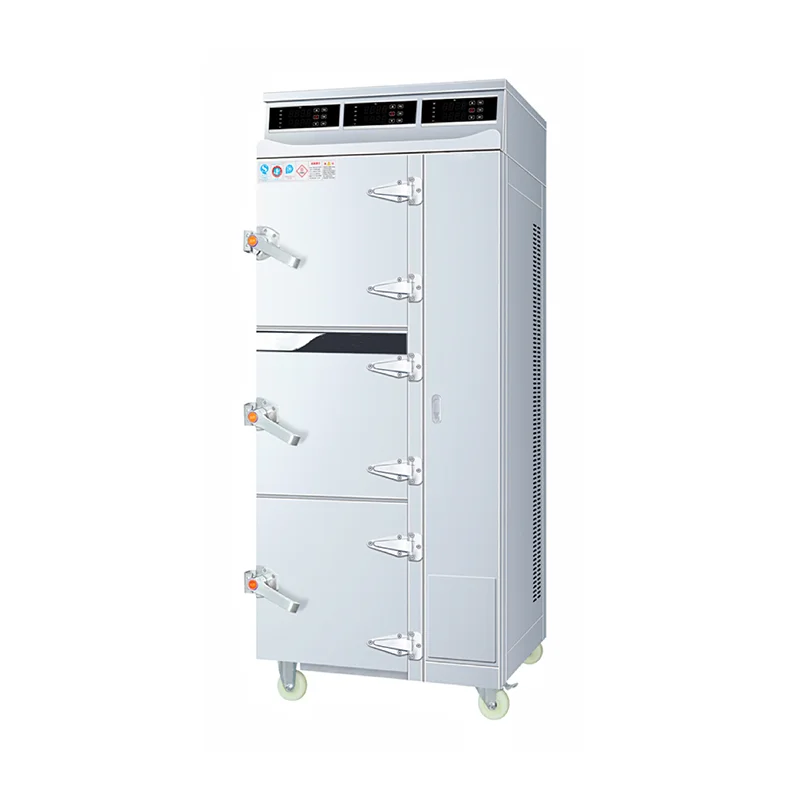
Three-Door Electric Steam Cabinet
READ MORE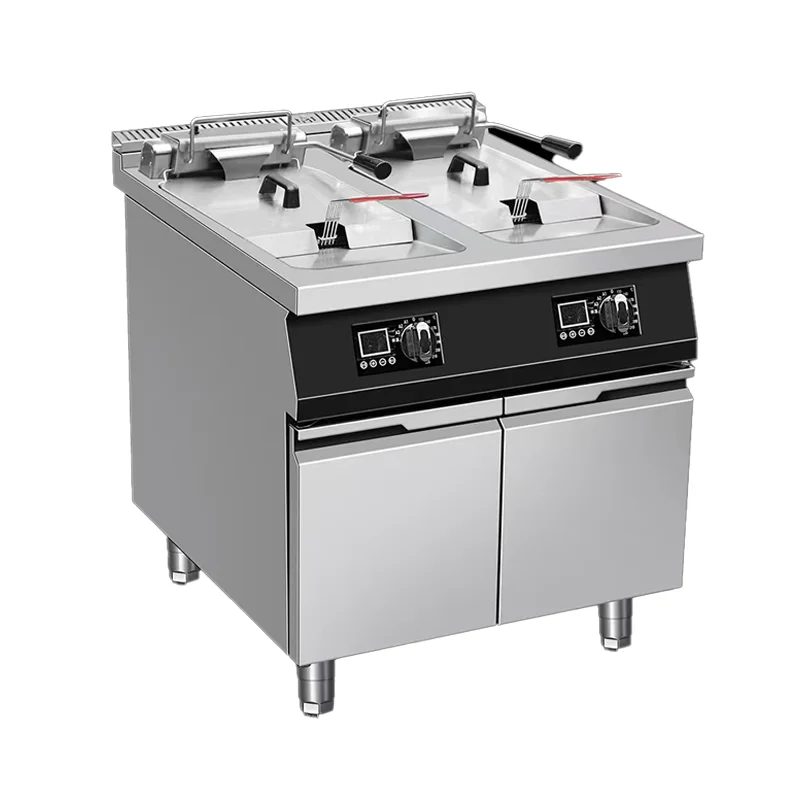
Double-cylinder electric deep fryer
READ MORE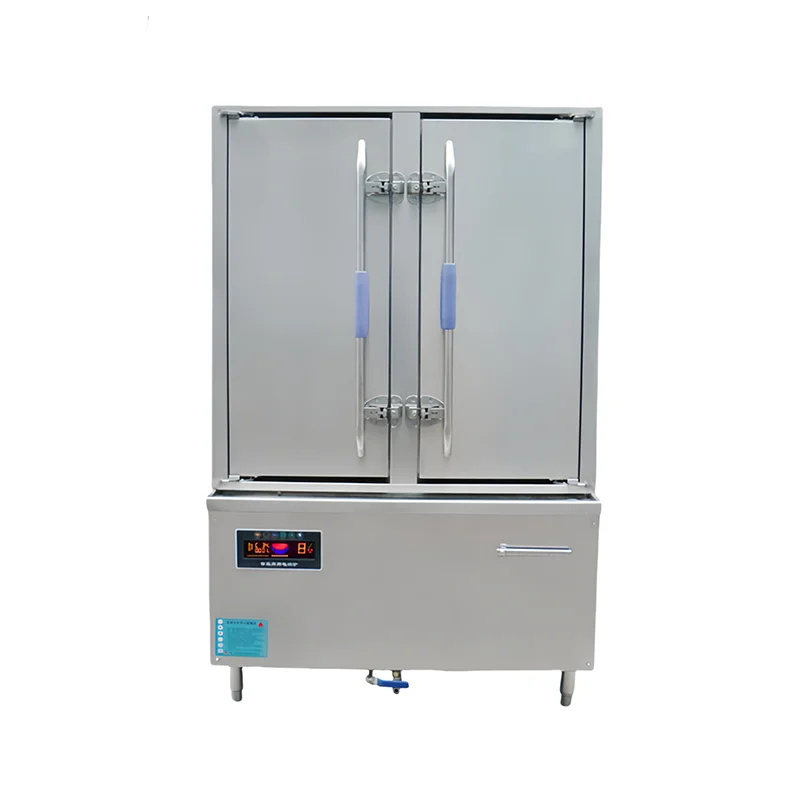
Double-Door Induction Steam Cabinet
READ MORE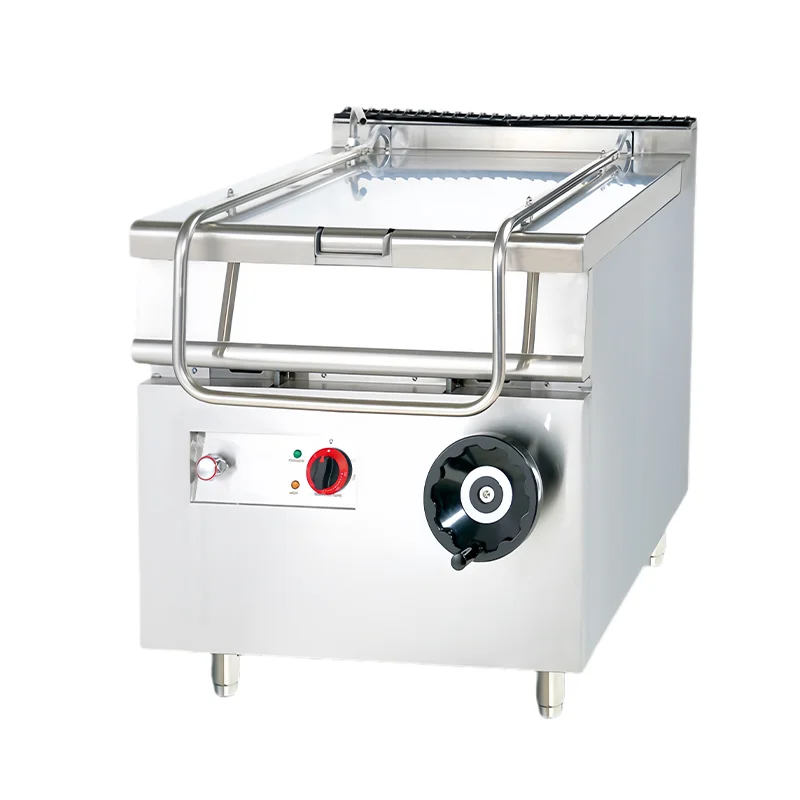
Electric tilting braising pan
READ MORE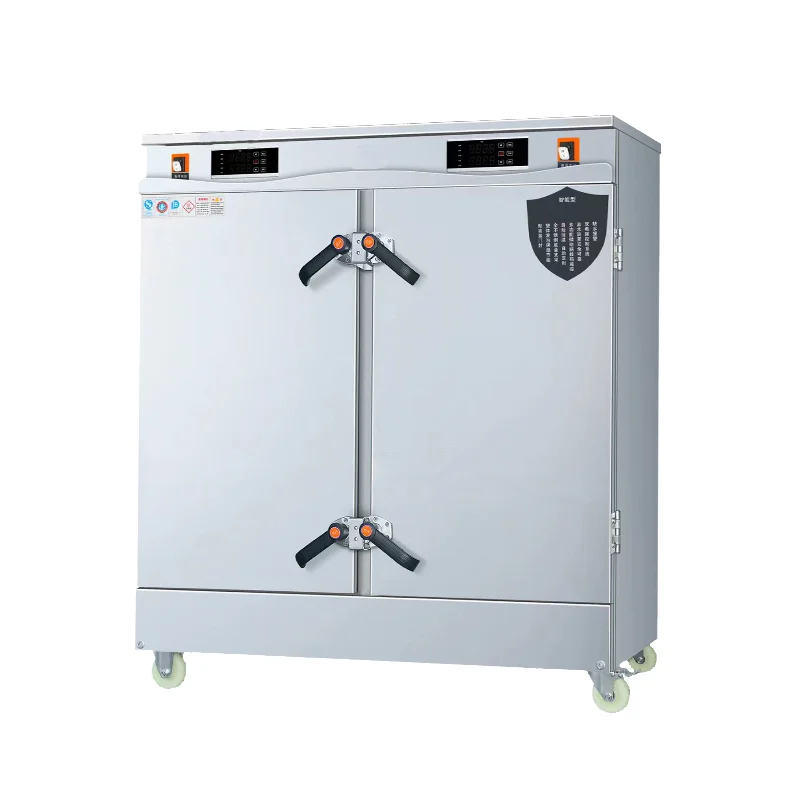
24-Pan Electric Steam Cabinet
READ MORE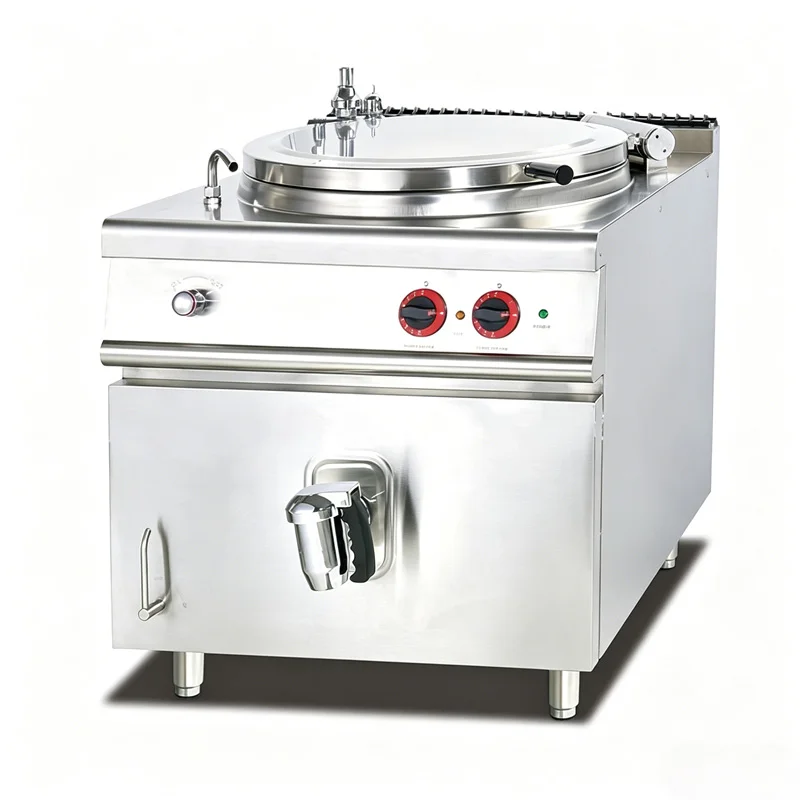
Electric soup kettle
READ MORE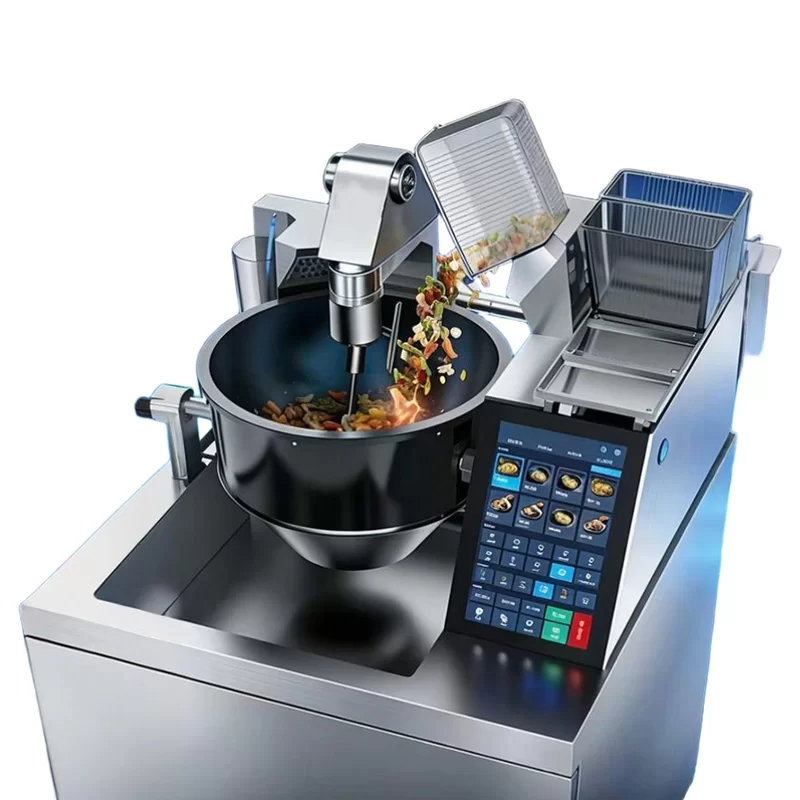
Fast Food Automation Machine
READ MOREA well-equipped catering kitchen requires a comprehensive range of equipment to ensure efficient food preparation, cooking, storage, and sanitation. The specific equipment needed may vary depending on the size of the operation and the type of cuisine, but several core categories are essential for any professional setup.
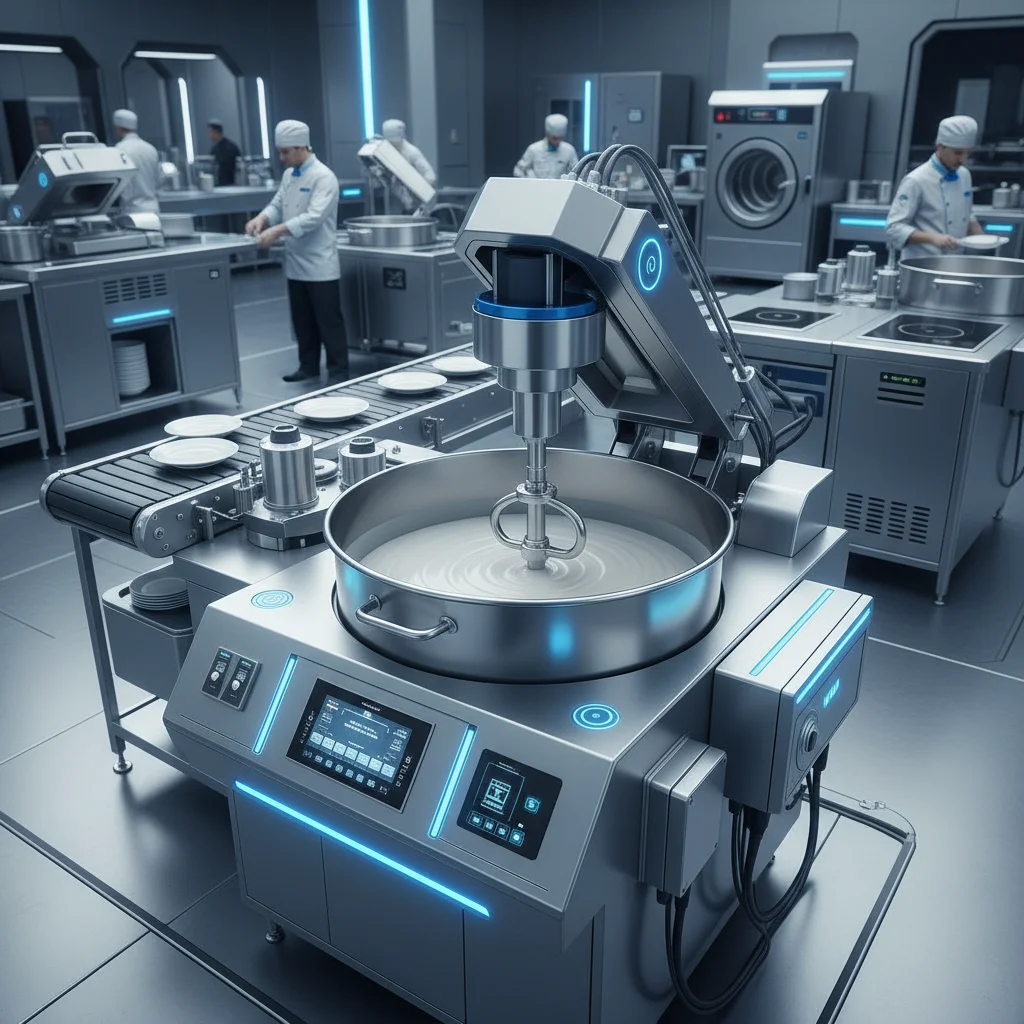
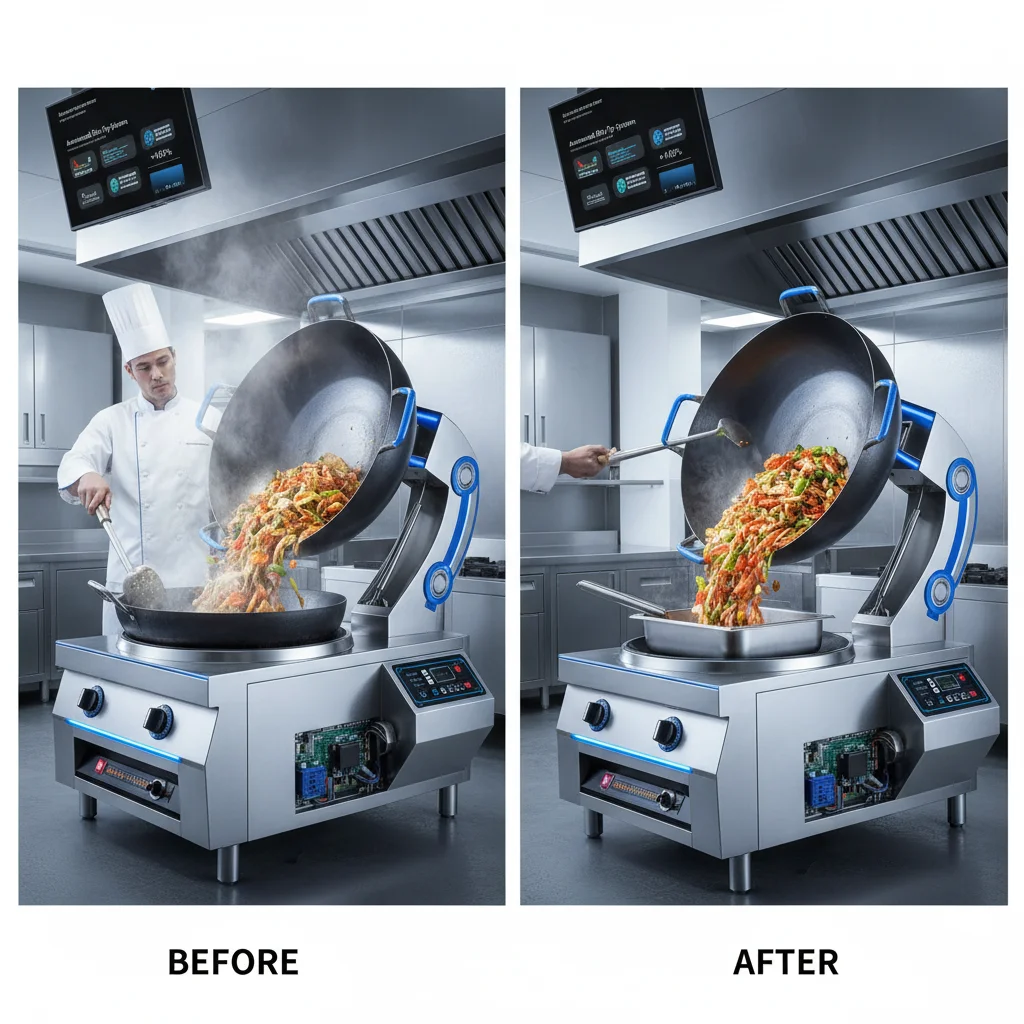
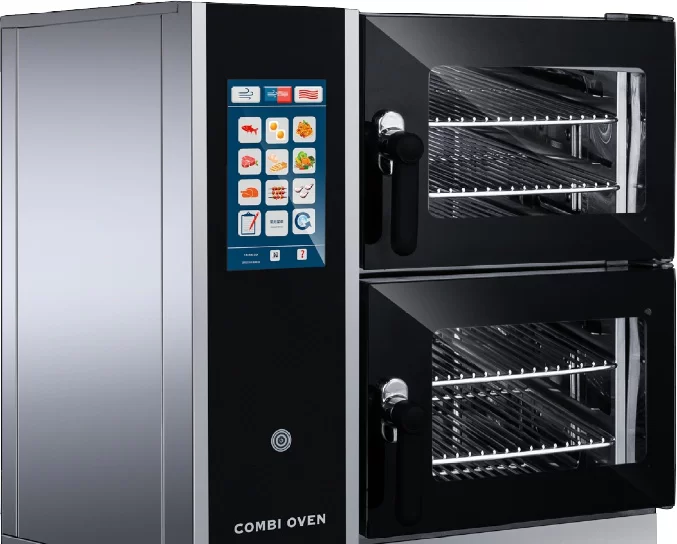
First, cooking equipment forms the backbone of a catering kitchen. This includes commercial ovens, such as convection ovens and combi ovens, as well as ranges, grills, and fryers. These appliances are designed to handle large volumes of food while maintaining consistent quality. For specialized menus, additional tools like steamers or induction cooktops may also be necessary.
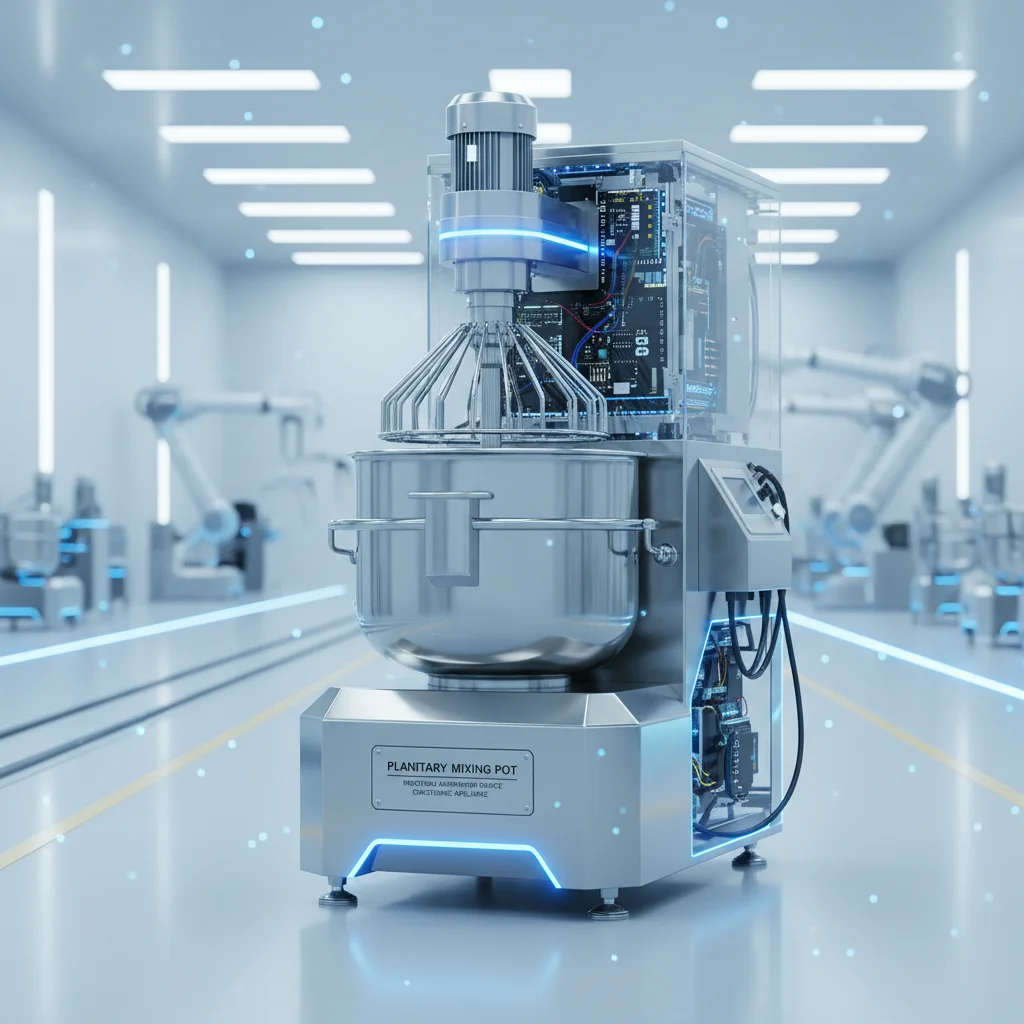
Food preparation equipment is equally important. Items such as food processors, mixers, slicers, and blenders help reduce manual labor and improve efficiency. Stainless steel worktables provide durable and hygienic surfaces for chopping, assembling, and plating dishes. Proper ventilation systems, including exhaust hoods, are also crucial to maintain air quality and ensure a safe working environment.
Refrigeration and storage equipment play a vital role in food safety. Commercial refrigerators, freezers, and walk-in cold rooms are used to store perishable ingredients at safe temperatures. Dry storage shelves and containers are needed to organize non-perishable items and maintain a clean, clutter-free workspace.
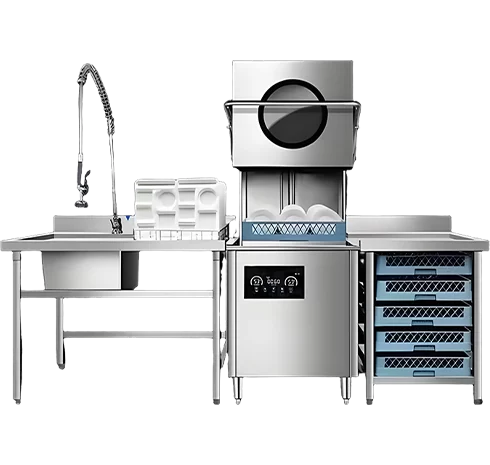
Cleaning and sanitation equipment is another key component. Commercial dishwashers, sinks, and sanitation stations help maintain hygiene standards and comply with health regulations. Waste disposal systems and grease traps are also necessary to manage kitchen waste effectively.
Finally, smallwares and utensils, such as pots, pans, knives, and serving equipment, complete the setup. Together, all these elements ensure that a catering kitchen operates smoothly, safely, and efficiently, enabling staff to deliver high-quality food and service in a fast-paced environment.
Hit enter to search or ESC to close