Tanzania's food processing industry is currently witnessing a surge in demand for efficiency, driven by the growing urban populations in Dar es Salaam and Arusha. However, many local enterprises still rely on traditional heating methods and manual stirring, which often leads to inconsistent product quality and high waste rates in the production of local delicacies and exported goods.
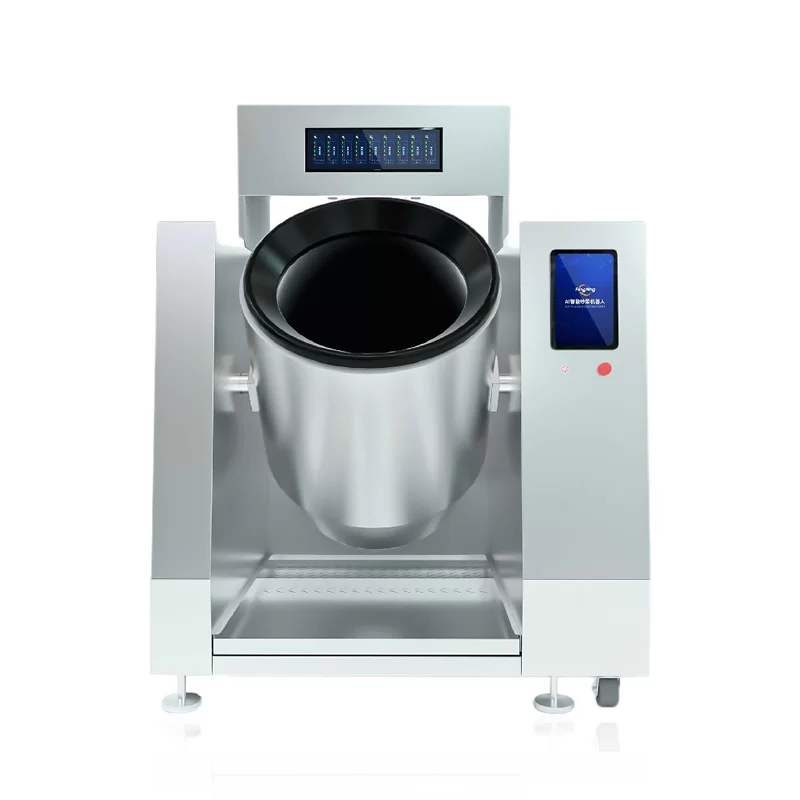
The humid tropical climate and fluctuating power stability in certain regions pose significant challenges for sensitive electronics. This has created a critical need for Food Automatic Mixers that are not only efficient but also built with industrial-grade resilience to withstand high ambient temperatures and voltage spikes.
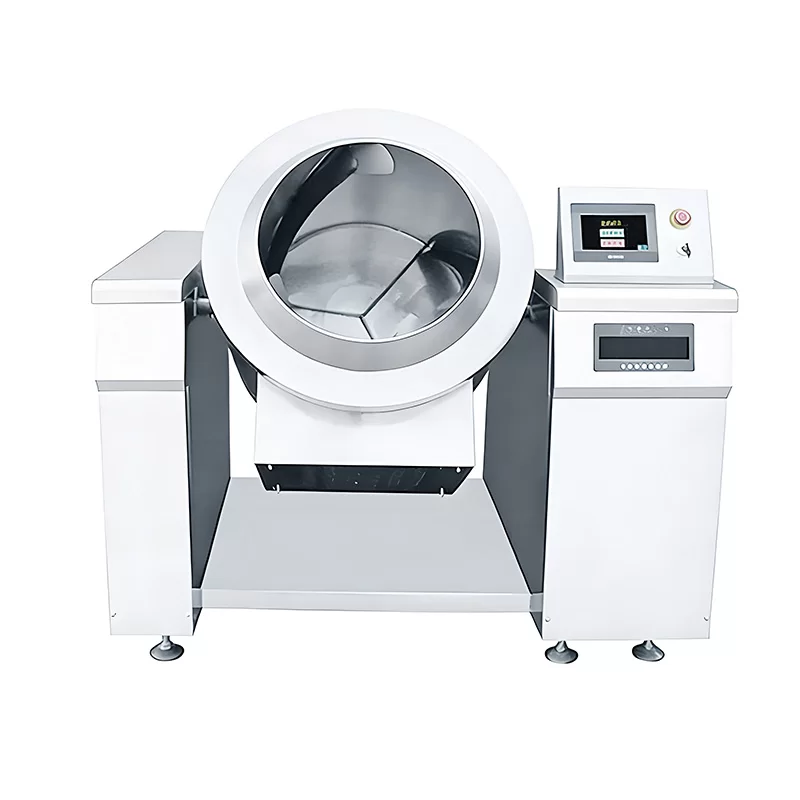
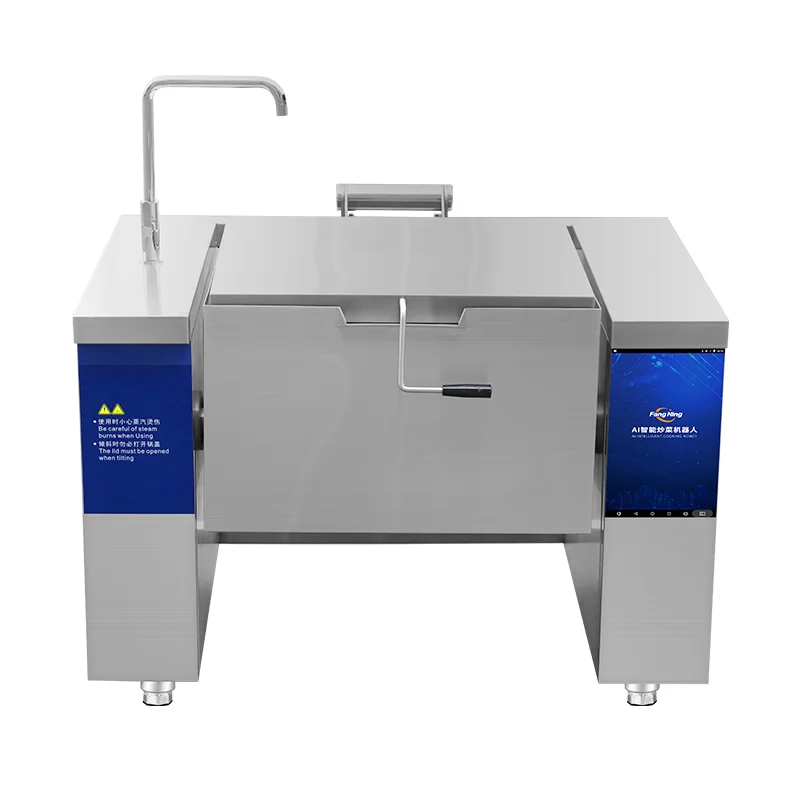
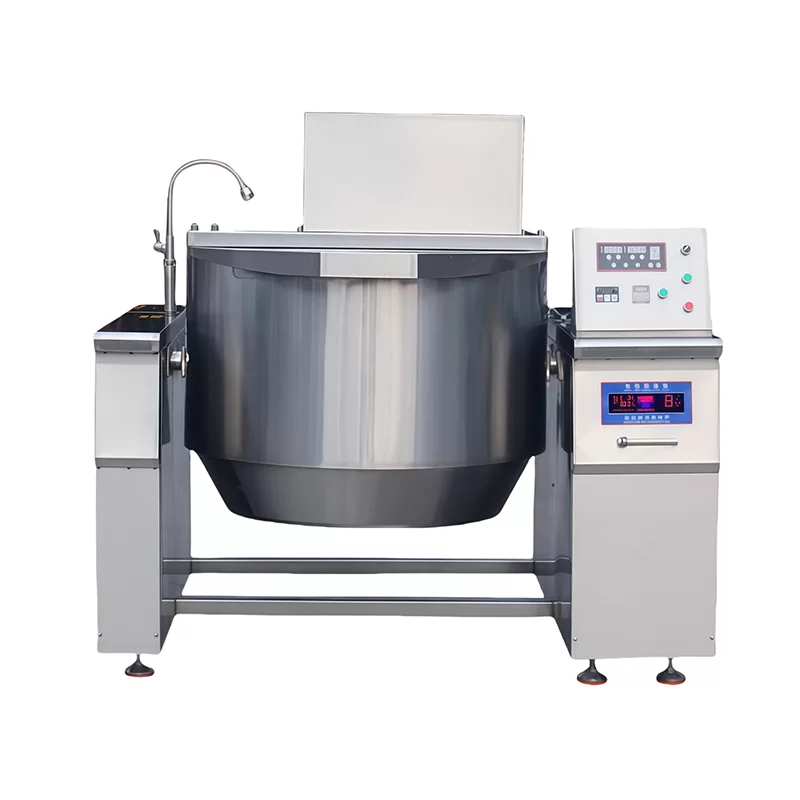
Furthermore, as Tanzania positions itself as a hub for East African trade, the pressure to meet international sanitary standards (HACCP) is pushing manufacturers to replace open-pot cooking with enclosed Planetary Mixing Pot systems to eliminate contamination and improve hygiene.