In the demanding world of commercial food production, efficiency and versatility are the cornerstones of a successful operation. Tilting Bratt Pan & Kettles represent the pinnacle of multi-functional cooking equipment, combining the capabilities of a frying pan, a boiling pot, and a stewing kettle into a single, robust machine. By allowing chefs to sear, braise, boil, and sauté in massive quantities, these devices eliminate the need for multiple smaller appliances, thereby optimizing precious kitchen real estate.
Globally, the adoption of high-capacity cooking solutions has accelerated as the demand for consistent, large-scale meal preparation grows in hospitals, schools, and industrial canteens. The integration of tilting mechanisms is not merely a convenience but a critical ergonomic advancement, reducing the physical strain on kitchen staff during the unloading of heavy batches. When implemented correctly, these systems significantly reduce food waste through precise temperature control and uniform heat distribution.
Understanding the nuances of choosing the right tilting equipment can be the difference between a bottlenecked production line and a seamless culinary workflow. From stainless steel durability to advanced thermal regulation, the engineering behind Tilting Bratt Pan & Kettles ensures that food safety standards are met while maximizing throughput. This guide explores the industrial relevance, technical components, and future trajectories of these essential kitchen powerhouses.
Global Industry Context of Tilting Bratt Pan & Kettles
The global food service industry is currently facing a paradigm shift toward automation and high-density production. According to industrial trends aligned with ISO food safety standards, the need for equipment that can handle volatile volumes while maintaining strict hygiene is paramount. Tilting Bratt Pan & Kettles have become indispensable in this environment, addressing the challenge of "batch consistency" that often plagues large-scale catering.
As urban populations grow and the demand for centralized "ghost kitchens" increases, the reliance on versatile machinery has spiked. The primary challenge addressed by these units is the reduction of labor costs; by combining several cooking methods into one vessel, operators can reduce the number of staff required to monitor multiple pots, thereby increasing the overall ROI of the kitchen facility.
Defining the Functionality of Tilting Bratt Pan & Kettles
In simple terms, Tilting Bratt Pan & Kettles are large, shallow-bottomed cooking vessels equipped with a mechanical tilting mechanism that allows the contents to be poured out easily. Unlike a standard pot, a Bratt pan provides a wide surface area for searing and browning, while the kettle aspect allows for deep-liquid simmering and boiling. This hybrid design makes it the "Swiss Army Knife" of the commercial kitchen.
From a humanitarian and industrial perspective, this equipment is vital for feeding large populations efficiently. Whether it is a university campus serving thousands of students or a disaster relief center providing hot meals to displaced families, the ability to cook huge volumes of nutrient-dense food quickly and safely is a matter of operational necessity and human dignity.
The "tilting" aspect is the defining feature that separates professional industrial gear from standard commercial cookware. By utilizing a geared or hydraulic tilt system, the operator can transfer 100+ liters of stew or sauce into holding containers without the risk of spills or workplace injuries, directly aligning with modern Occupational Health and Safety (OHS) standards.
Core Components for Maximum Performance
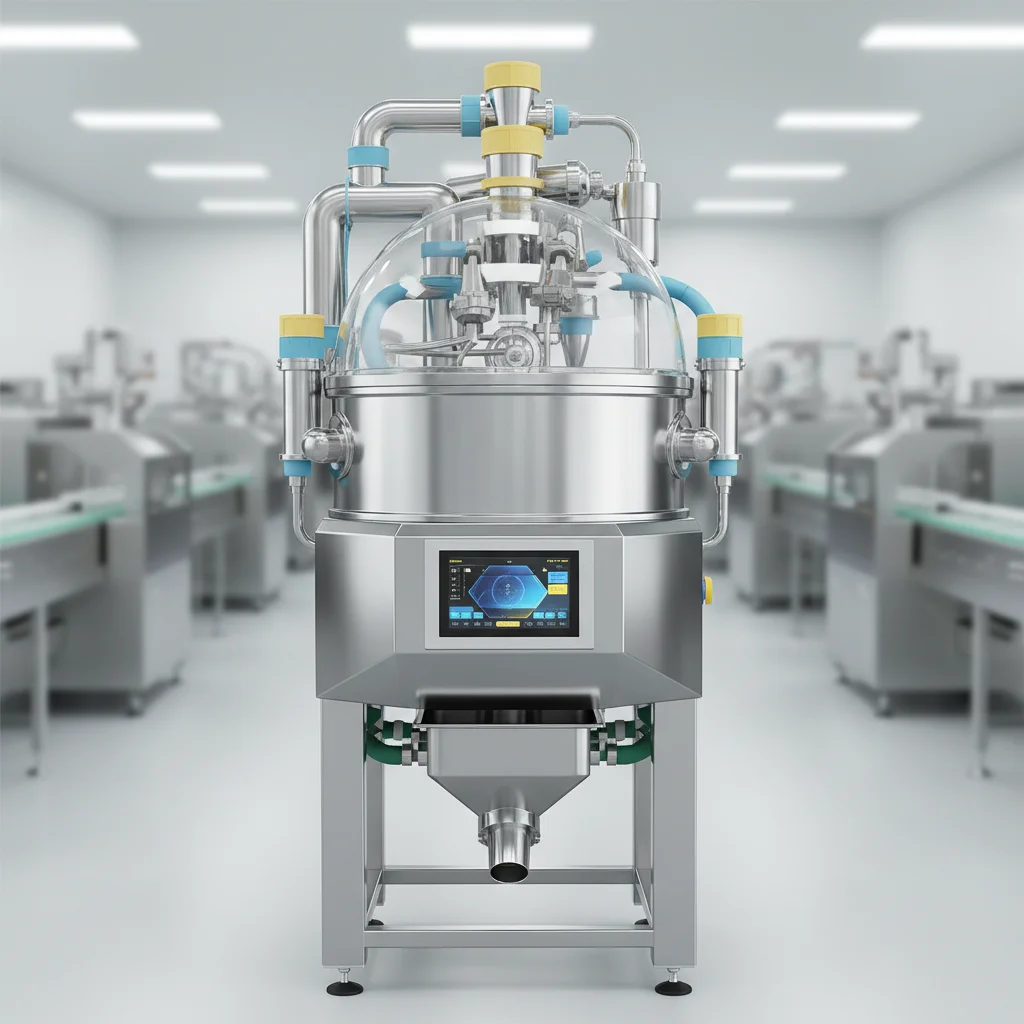
The durability of Tilting Bratt Pan & Kettles starts with the material science of the basin. Most professional-grade units utilize AISI 304 or 316 stainless steel to prevent corrosion from acidic foods and ensure a non-reactive cooking surface that meets stringent FDA and EU food-contact regulations.
Thermal distribution is the second critical pillar. Advanced Tilting Bratt Pan & Kettles employ jacketed heating systems—whether electric, gas, or steam—to ensure that heat is applied evenly across the base. This prevents "hot spots" that cause scorching, which is a common failure point in lower-quality industrial cookware.
Finally, the precision of the control interface and the robustness of the tilting gear assembly define the machine's lifespan. Modern units often feature digital PID controllers for exact temperature maintenance, coupled with heavy-duty locking mechanisms that ensure the pan remains stable during high-agitation stirring.
Scalability and Operational Efficiency
When integrating Tilting Bratt Pan & Kettles into a production line, scalability becomes the primary focus. The ability to move from a 60-liter capacity to a 200-liter capacity without changing the cooking process allows businesses to scale their output linearly. This scalability reduces the learning curve for staff and ensures that quality remains consistent regardless of the batch size.
Beyond capacity, efficiency is measured by "turnaround time"—the time it takes to cook, empty, and clean the vessel for the next cycle. The tilting mechanism drastically cuts this time by allowing rapid emptying, while the smooth stainless steel surfaces enable fast sanitization, ensuring the kitchen meets the highest hygiene benchmarks.
Efficiency Metrics of Tilting Bratt Pan & Kettles Configurations
Global Applications and Real-World Use Cases
The versatility of Tilting Bratt Pan & Kettles makes them a staple in diverse environments. In the hospitality sector, luxury hotels use them to prepare massive quantities of base sauces and slow-cooked meats that require precise, low-temperature simmering over many hours. In educational institutions, these machines are the primary tool for producing large batches of grains and stews that feed thousands of students daily.
Beyond commercial kitchens, these units are critical in remote industrial zones, such as mining camps or offshore oil platforms, where space is limited and the need for high-calorie, bulk meal preparation is constant. In these high-pressure environments, the reliability of a tilting pan reduces the risk of equipment failure, which would otherwise disrupt the logistics of worker sustenance.
Long-Term Value and Sustainability
Investing in high-quality Tilting Bratt Pan & Kettles provides significant long-term economic value. While the initial capital expenditure may be higher than purchasing multiple small pots, the reduction in energy consumption is substantial. A single large-batch process is far more energy-efficient than running ten smaller burners, directly lowering the facility's carbon footprint.
From a sustainability angle, the precise temperature control prevents overcooking and burning, which translates to less food waste—a critical metric for companies aiming for Zero Waste certifications. The longevity of the stainless steel construction also means these machines have a lifecycle of decades, not years, reducing the environmental impact of frequent equipment replacement.
Furthermore, the psychological value for the kitchen staff cannot be overlooked. By reducing the physical labor associated with heavy lifting and stirring, these machines foster a safer, more dignified working environment. This leads to higher staff retention and a more professional atmosphere in the heart of the house.
Future Trends in Industrial Cooking Technology
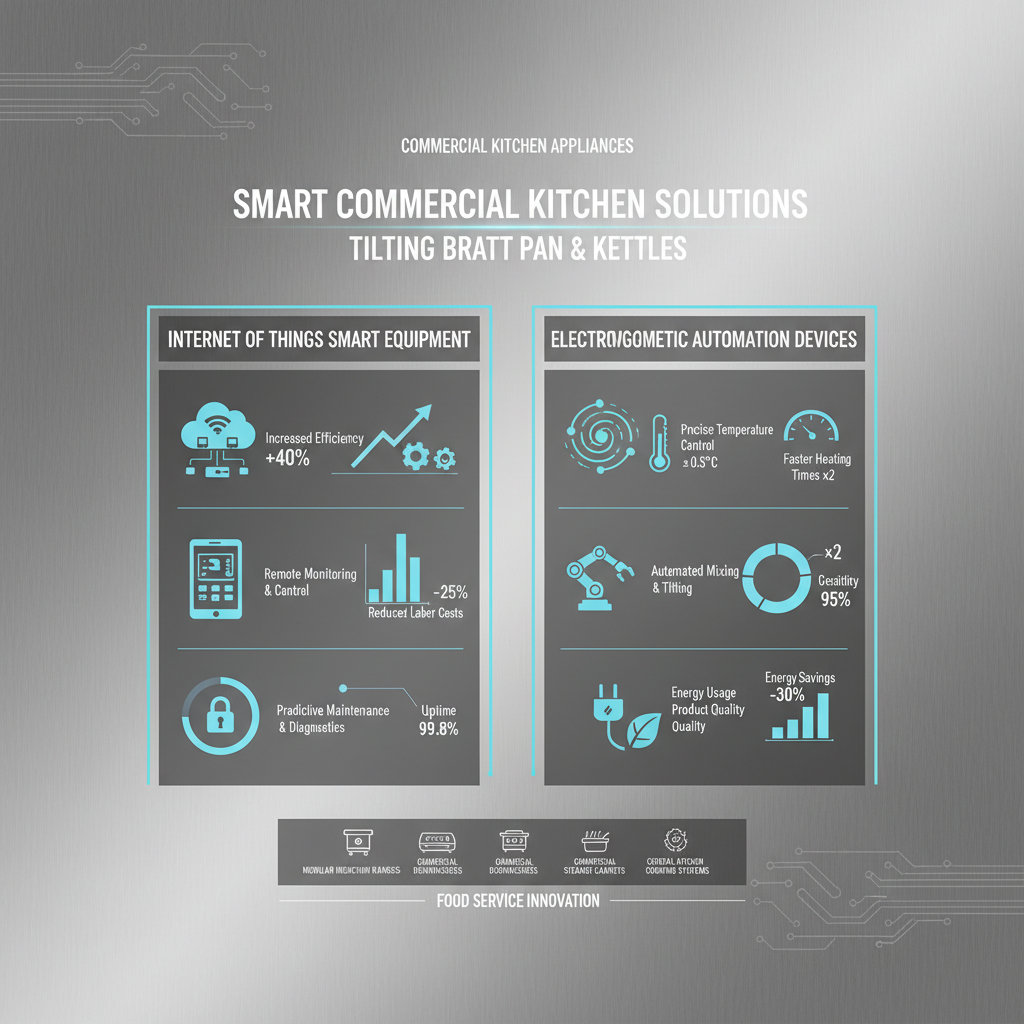
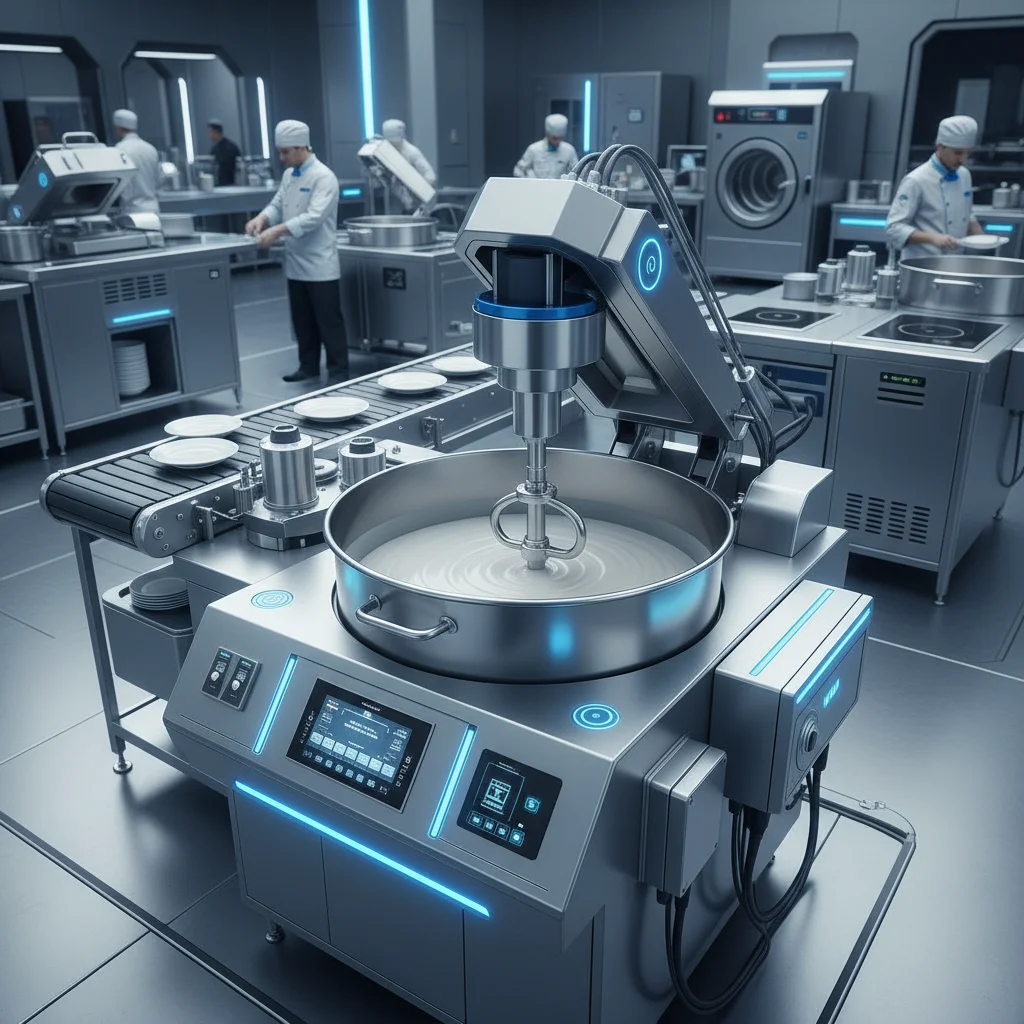
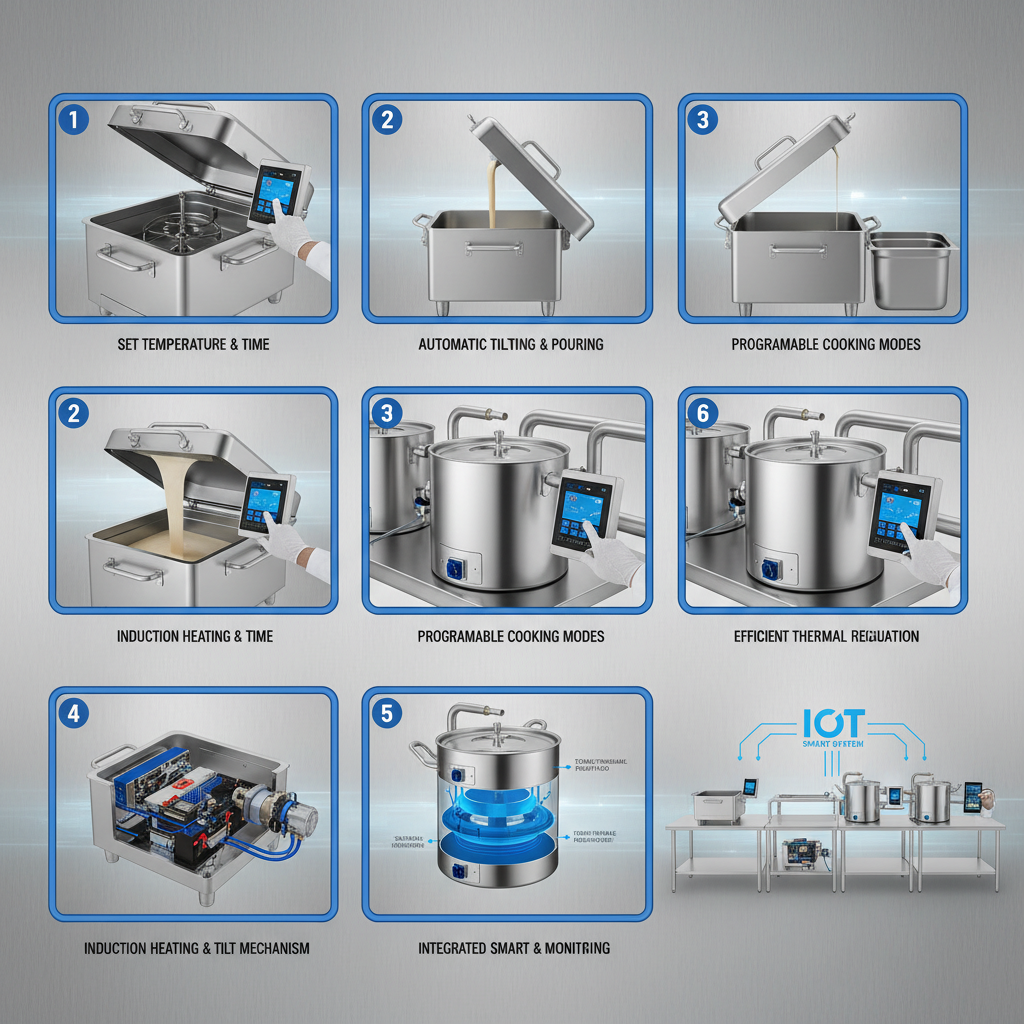
The future of Tilting Bratt Pan & Kettles is being shaped by the digital transformation of the kitchen. We are seeing a move toward IoT-integrated systems where temperature and cooking times are monitored remotely via tablets. This allows executive chefs to ensure quality control across multiple kitchen sites without being physically present at each station.
Energy transition is another major trend. The shift from gas to high-efficiency induction heating is accelerating, offering almost instantaneous heat response and significantly reducing ambient heat in the kitchen, which in turn lowers the load on HVAC systems. This "green kitchen" approach is becoming a requirement for new builds in many developed urban centers.
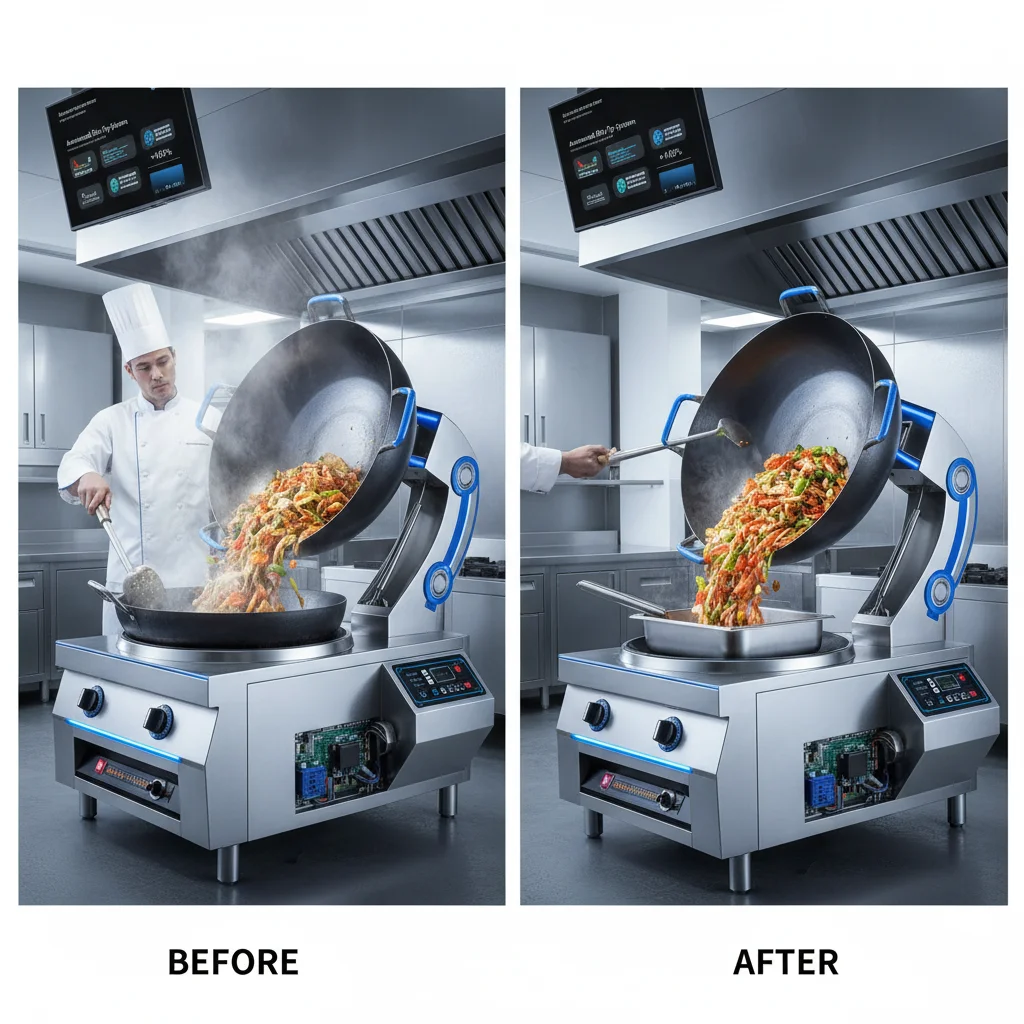
Automation is also creeping into the design, with some high-end models featuring automated stirring arms and programmed cooking cycles. This removes the need for constant human supervision, allowing a single operator to manage a battery of Tilting Bratt Pan & Kettles simultaneously, maximizing output while maintaining artisan-level quality.
Comparison of Tilting Bratt Pan & Kettles Technical Specifications
| Heating Method |
Heat Uniformity |
Energy Efficiency |
Maintenance Level |
| Electric Elements |
Medium-High |
7/10 |
Low |
| Gas Burners |
Medium |
6/10 |
Medium |
| Steam Jacketed |
Very High |
9/10 |
High |
| Induction |
High |
10/10 |
Low |
| Oil-Filled Jacket |
High |
8/10 |
Medium |
| Hybrid Electric/Gas |
Medium-High |
7/10 |
Medium |
FAQS
A Bratt pan has a shallower, wider base designed for searing, frying, and sautéing before transitioning to stewing. A tilting kettle is generally deeper and more rounded, optimized specifically for liquids, soups, and boiling. Tilting Bratt Pan & Kettles as a category often refers to the versatility of equipment that can bridge these two functions, allowing a chef to brown meat and then add liquid for a slow braise in the same vessel.
Capacity should be based on your peak meal service volume. Calculate the maximum amount of food you need to produce in a single window. If you serve 500 people a 200ml portion of soup, you need at least a 100-liter capacity. However, it is always advisable to size up by 20% to allow for stirring room and to avoid overflow, ensuring the Tilting Bratt Pan & Kettles operate at optimal efficiency without stressing the heating elements.
Not if you choose high-grade stainless steel. The primary advantage of the tilting mechanism is that it allows for a complete pour-out of residues, meaning no heavy scooping is required. Most industrial models feature rounded interior corners (coved corners) to prevent food particles from getting trapped. Using a combination of degreasers and standard steam cleaning, these units can be brought to HACCP-compliant hygiene levels very quickly.
While they are excellent for shallow frying and sautéing, they are not intended for deep-fat frying. The wide surface area and tilting mechanism are not designed to hold the volumes of oil required for deep frying safely. For deep frying, a dedicated commercial fryer is recommended to ensure oil filtration and temperature stability. Tilting Bratt Pan & Kettles are best utilized for "braising" or "pan-frying."
Induction heating is currently the most energy-efficient method, as it transfers heat directly to the vessel via a magnetic field, minimizing waste heat. Steam-jacketed versions are also highly efficient for extremely large volumes because they provide the most uniform heat distribution. For smaller operations without a central steam boiler, high-efficiency electric elements are the most practical and cost-effective choice.
With proper maintenance, a professional-grade unit can last 15 to 25 years. The primary wear points are the tilting gears and the heating elements. Regularly lubricating the tilt mechanism and avoiding "dry firing" (heating the pan without oil or water) are the most effective ways to extend the lifespan. Choosing a reputable manufacturer for your Tilting Bratt Pan & Kettles ensures that replacement parts are available for the long term.
Conclusion
In summary, Tilting Bratt Pan & Kettles are far more than just oversized pots; they are strategic assets that drive productivity, safety, and consistency in the commercial kitchen. By merging multiple cooking techniques into one ergonomically designed unit, they allow food service operators to scale their output while reducing labor costs and energy waste. From the material integrity of the stainless steel to the precision of the thermal controls, every element of these machines is engineered to meet the rigorous demands of industrial food production.
Looking ahead, the integration of IoT and induction technology will only further enhance the value proposition of this equipment, making kitchens smarter and more sustainable. For any organization looking to optimize its culinary workflow and ensure the highest standards of food quality, investing in high-performance tilting equipment is a logical and lucrative step. To explore our full range of industrial solutions, visit our website: www.smartfoodheat.com