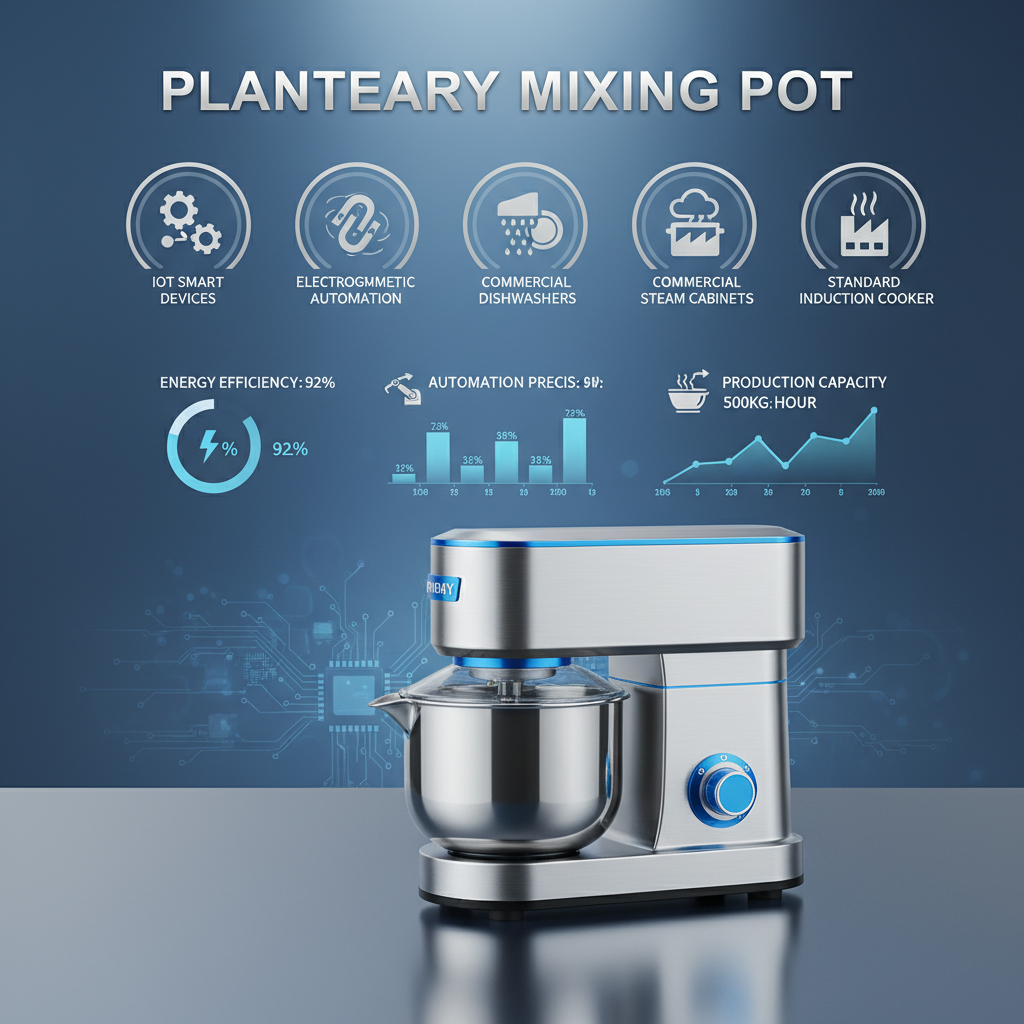
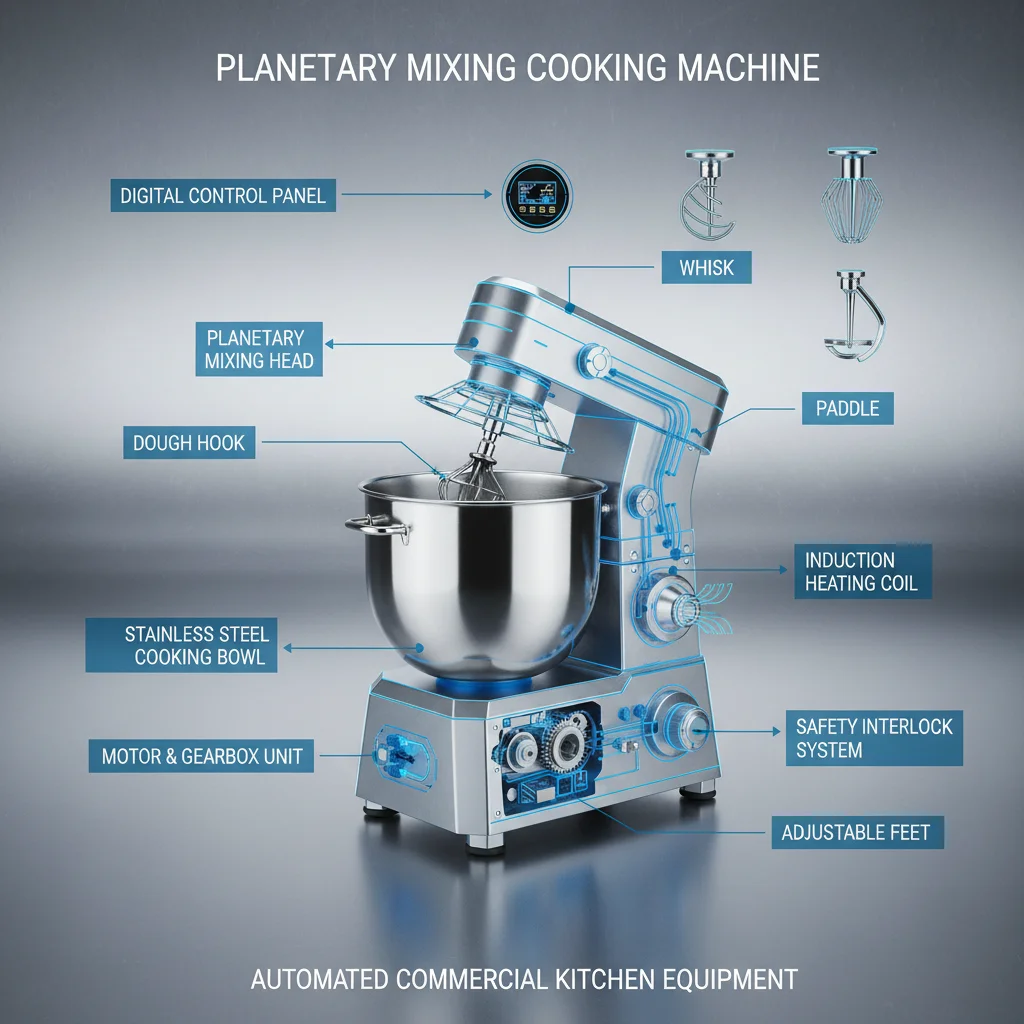
The industrial landscape of food production has evolved rapidly, necessitating machinery that can handle high volumes without compromising on quality. A Planetary Mixing Pot represents a pinnacle of this engineering evolution, blending high-torque mixing capabilities with thermal precision to ensure consistent product texture and flavor. For commercial kitchens and food factories, investing in the right mixing technology is no longer just about capacity, but about the scientific precision of ingredient integration.
Globally, the demand for processed foods and specialized confectionery has surged, pushing manufacturers to seek equipment that minimizes manual labor while maximizing output. The Planetary Mixing Pot addresses these needs by utilizing a unique rotation system where the mixing tool orbits the center of the pot while simultaneously rotating on its own axis. This "planetary" action ensures that every cubic inch of the mixture is agitated, eliminating dead zones that often plague traditional mixers.
Understanding the technical nuances and operational benefits of these systems allows businesses to scale their production efficiently. From optimizing energy consumption to reducing waste through better homogenization, the implementation of a professional Planetary Mixing Pot can be the difference between a boutique operation and a market-leading industrial powerhouse.
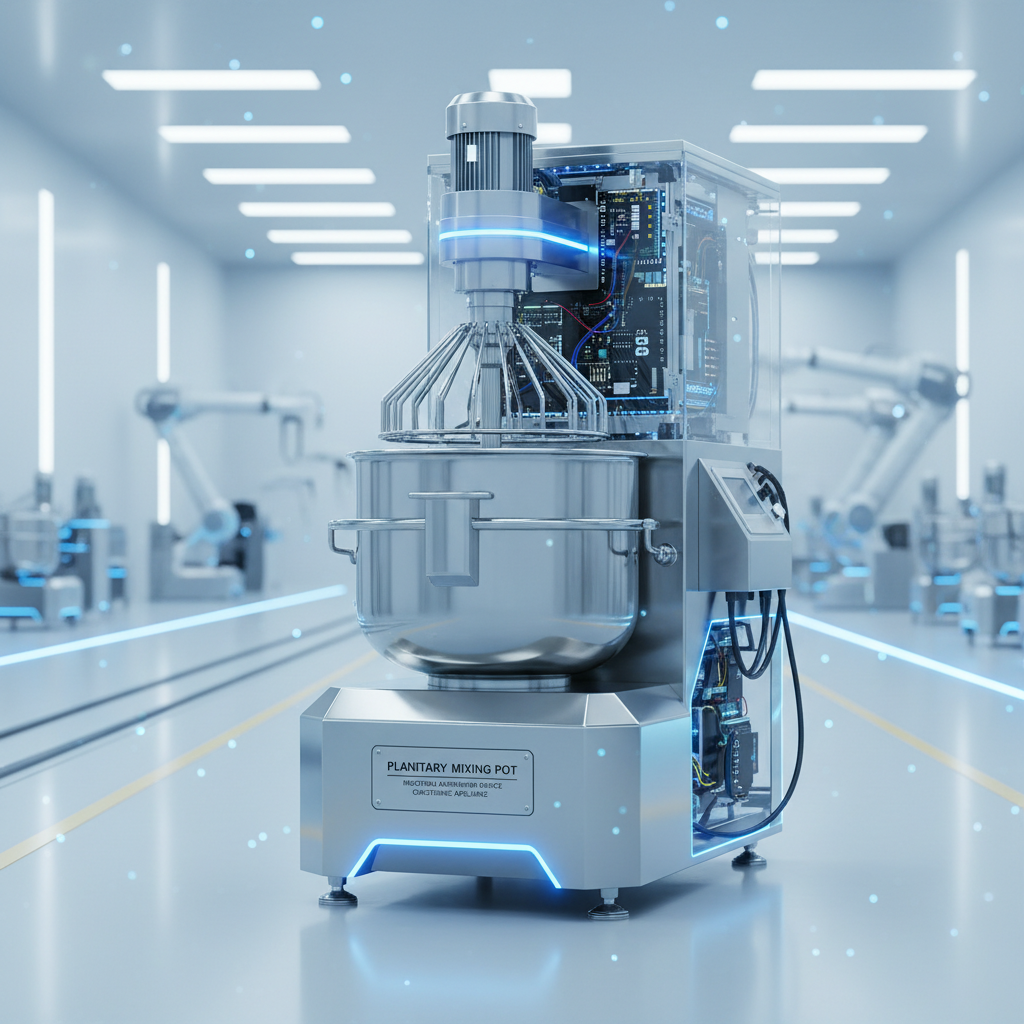
Global Context and Industrial Relevance of Planetary Mixing Pot
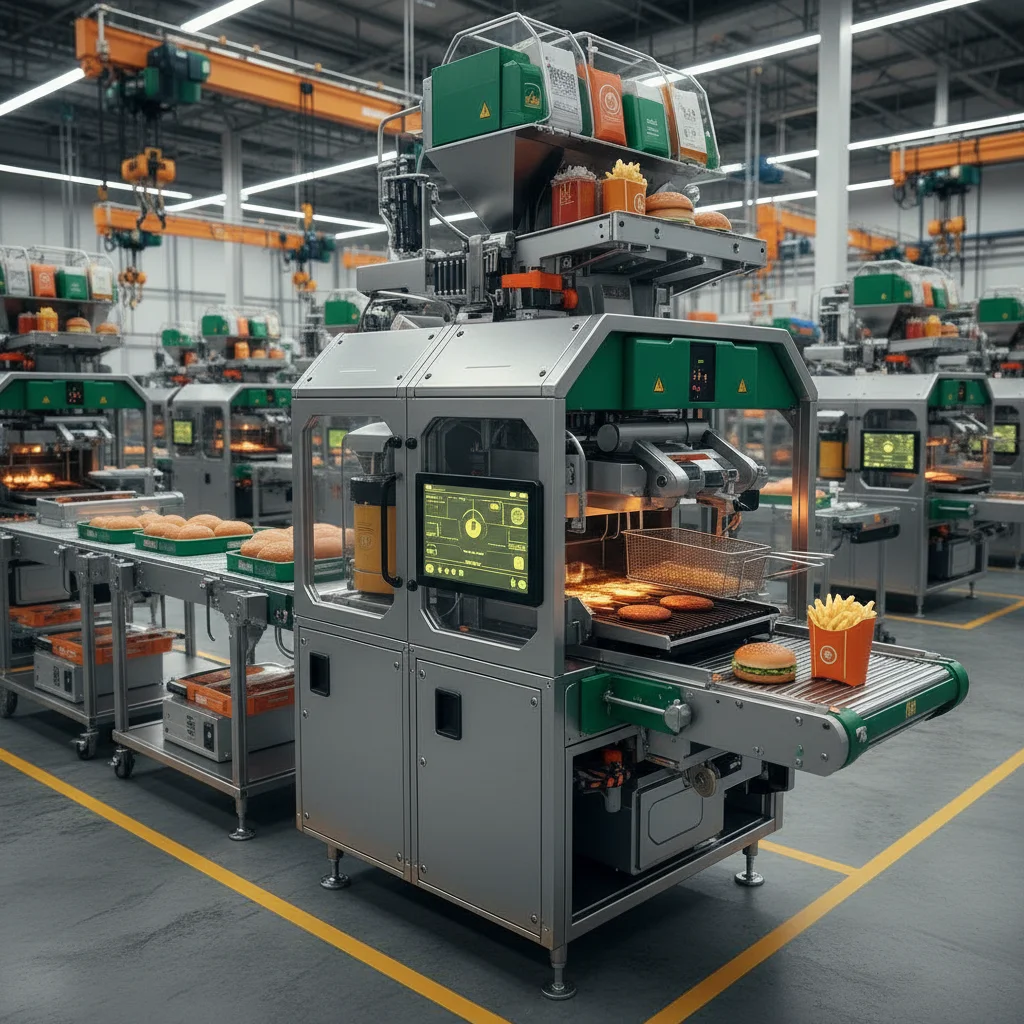
In the modern era of food manufacturing, the pressure to meet ISO food safety standards and maintain rigorous quality control is immense. The global market for food processing equipment is expanding as urbanization increases the demand for ready-to-eat meals and high-quality baked goods. The Planetary Mixing Pot has become a cornerstone of this infrastructure, allowing producers to maintain consistency across batches that can range from 50 to 500 liters.
The challenge facing many industrial kitchens is the "scaling gap"—where a recipe that works in a small bowl fails in a giant vat due to uneven mixing. By employing the planetary motion principle, these machines solve the problem of ingredient stratification, ensuring that thickeners, flavors, and stabilizers are perfectly dispersed regardless of the volume.
Defining the Planetary Mixing Pot Mechanism
At its core, a Planetary Mixing Pot is a specialized piece of industrial equipment designed for the high-viscosity blending of ingredients. Unlike a standard mixer where the blade rotates around a central axis, the planetary system features a mixing tool that rotates on its own axis while simultaneously orbiting the center of the vessel. This dual-action movement mimics the orbit of planets around a sun, hence the name.
This mechanical approach is essential for humanitarian and large-scale catering needs, such as preparing nutrient-dense pastes or large-scale confectionery bases. It ensures that ingredients clinging to the sides of the pot are constantly swept back into the main mass, reducing the need for manual scraping and minimizing product waste during the transition from mixing to packaging.
From a technical perspective, this mechanism allows for the handling of diverse textures, from light batters to heavy doughs. By adjusting the speed of both the rotation and the orbit, operators can fine-tune the shear force applied to the ingredients, which is critical for achieving the perfect emulsion or aeration in high-end food production.
Core Engineering Components for Maximum Efficiency
Durability is the first pillar of a high-performing Planetary Mixing Pot. Most industrial-grade models utilize SUS304 or SUS316L stainless steel to prevent corrosion and ensure compliance with strict FDA and health regulations. The thickness of the pot wall is carefully calibrated to withstand high pressure and thermal expansion during heating cycles.
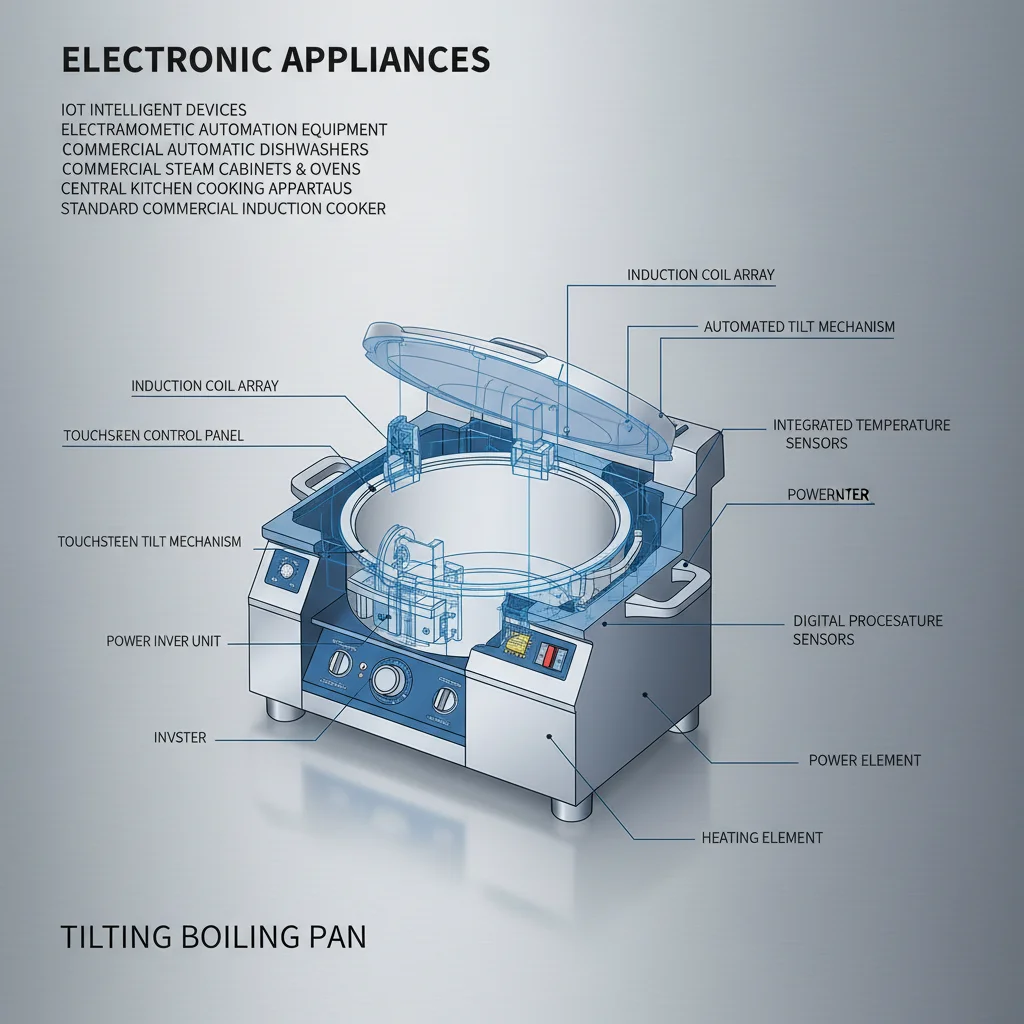
Thermal scalability is achieved through integrated heating jackets. Whether using steam or electric heating elements, the Planetary Mixing Pot ensures that heat is distributed evenly across the surface of the vessel. This prevents "hot spots" that could burn delicate ingredients, allowing for precise temperature control during the cooking and mixing process.
The drive system, consisting of high-torque gearboxes and variable frequency drives (VFD), provides the necessary power to move dense materials. This scalability allows the operator to start at a slow speed for initial blending and ramp up to higher speeds for aeration, ensuring that the motor is not overloaded and the mechanical lifespan of the equipment is extended.
Performance Metrics and Comparative Analysis
When evaluating the efficiency of a Planetary Mixing Pot, industry experts look at homogenization rates and energy consumption per batch. Compared to traditional ribbon blenders or paddle mixers, planetary systems offer a significantly higher "mixing intensity," meaning they reach a state of perfect uniformity in a shorter amount of time.
This efficiency translates directly into lower operational costs and higher throughput. By reducing the mixing cycle by even 15-20%, a factory can increase its daily output without adding more machinery, making the planetary system a highly cost-effective choice for growing enterprises.
Efficiency Ratings of Different Mixing Technologies
Real-World Applications Across Food Industries
The versatility of the Planetary Mixing Pot makes it indispensable in the confectionery industry, where it is used to create smooth ganaches, caramels, and peanut butter. In these applications, the ability to heat the product while mixing is crucial to avoid crystallization and ensure a silky mouthfeel.
Beyond sweets, these systems are widely used in the production of sauces and condiments. In large-scale catering for hospitals or schools, they allow for the preparation of massive quantities of thick soups or stews without the risk of burning the bottom of the pot, as the planetary blades constantly move the product away from the heat source.
Long-Term Value and Sustainability Benefits
Investing in a professional Planetary Mixing Pot provides long-term economic value by reducing raw material waste. Because the mixing is so thorough, there is less discarded product stuck to the walls of the machine, which significantly improves the yield per batch.
From a sustainability perspective, modern planetary mixers are designed with energy-efficient motors and improved insulation for heating jackets. This reduces the carbon footprint of the production facility while lowering utility bills, aligning the business with global green energy initiatives.
Furthermore, the reliability of these machines enhances workplace safety. By automating the mixing of heavy, hot materials, companies reduce the risk of worker injury associated with manual stirring and heavy lifting, fostering a culture of trust and professional dignity in the kitchen.
Future Innovations in Mixing Technology
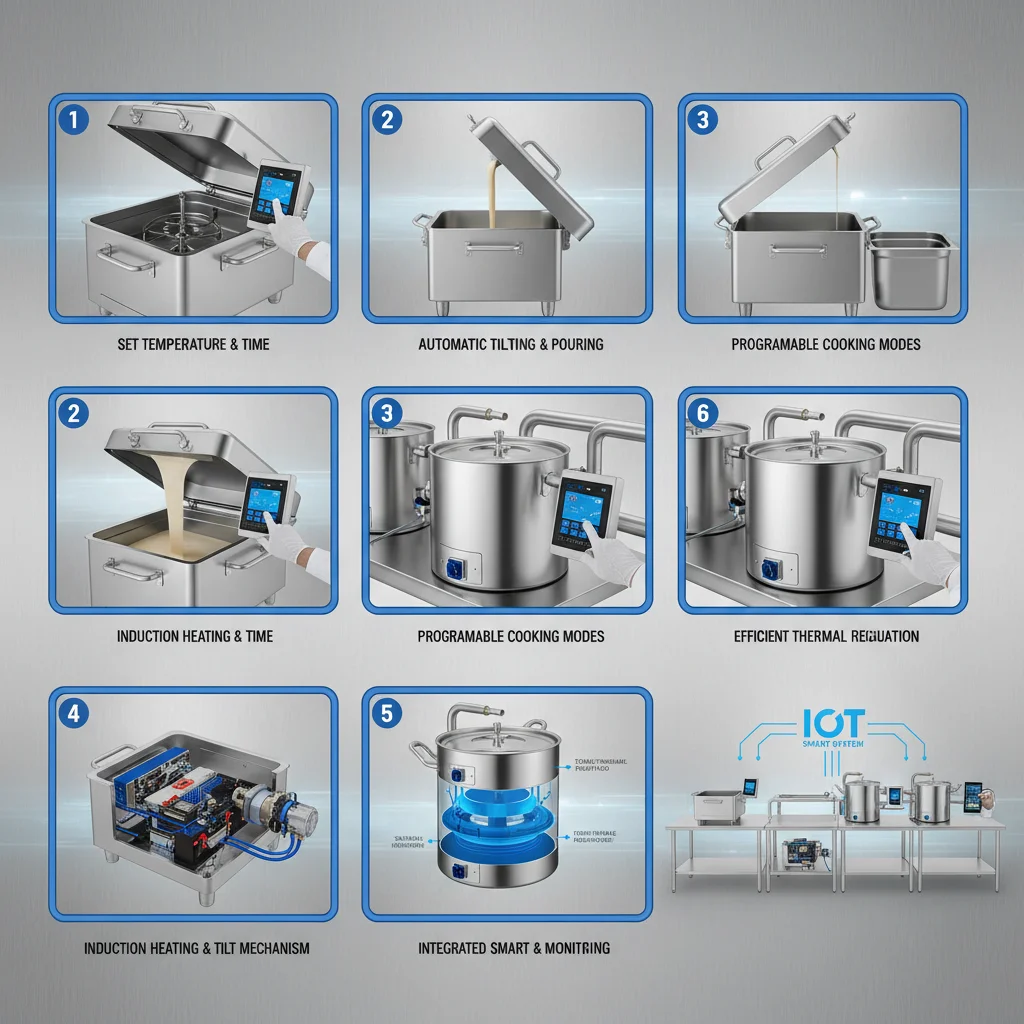
The future of the Planetary Mixing Pot lies in the integration of Industry 4.0 technologies. We are seeing a shift toward "smart pots" equipped with IoT sensors that can monitor viscosity and temperature in real-time, automatically adjusting the mixing speed to maintain product quality without human intervention.
Material science is also playing a role, with the introduction of nano-coatings that make the interior surfaces of the pots almost entirely non-stick. This will further reduce cleaning time and water usage, making the production process more eco-friendly and efficient.
As automation continues to evolve, we expect to see more modular planetary systems that can be easily swapped between different blade configurations for various products, allowing a single machine to serve multiple roles in a flexible manufacturing environment.
Comparative Analysis of Planetary Mixing Pot Specifications
| Model Series |
Max Viscosity Capacity |
Heating Method |
Energy Efficiency Score |
| Standard Eco-Mix |
Medium (Sauces) |
Electric Jacket |
7.5 |
| Industrial Pro-Mix |
High (Doughs) |
Steam Jacket |
8.2 |
| Ultra-High Viscosity |
Extreme (Pastes) |
Dual Oil-Heat |
8.8 |
| Compact Chef-Mix |
Low to Medium |
Electric Jacket |
9.1 |
| Smart-IoT Series |
Variable |
Adaptive Steam |
9.5 |
| Customized Giant-Mix |
High (Custom) |
Industrial Steam |
8.0 |
FAQS
The primary advantage is the dual-rotation mechanism. While traditional agitators often leave "dead zones" at the edges of the pot, a Planetary Mixing Pot's blade orbits the entire vessel while rotating. This ensures 100% coverage, resulting in a more homogenous blend, faster mixing times, and significantly reduced manual scraping.
Yes, that is exactly what they are designed for. With high-torque gearboxes and heavy-duty stainless steel blades, a Planetary Mixing Pot can handle high-viscosity materials without stalling. The planetary action provides the necessary shear force to break down clumps and integrate ingredients in thick pastes efficiently.
Most industrial models are designed with "hygienic design" principles, meaning they have smooth welds and minimal crevices where food can trap. Many feature removable mixing tools and polished stainless steel interiors, making them easy to sanitize via CIP (Clean-In-Place) systems or manual scrubbing to meet ISO and FDA standards.
Absolutely. By using a jacketed design (steam or electric), heat is applied evenly around the perimeter. Because the planetary blades are constantly moving the product from the walls to the center, the heat is distributed through convection and conduction, preventing burning and ensuring a consistent thermal profile.
While the internal mechanics are complex, the user interface is typically intuitive. Most modern machines use a PLC (Programmable Logic Controller) with a digital screen. Operators only need basic training on speed settings, temperature control, and safety protocols to run the machine effectively.
Consider your maximum batch size and the viscosity of your product. For lighter batters, a larger pot is fine, but for extremely thick pastes, you may need a more powerful motor and a specific blade geometry. We recommend analyzing your daily throughput and growth projections before selecting a capacity.
Conclusion
The Planetary Mixing Pot stands as a critical investment for any food production facility aiming for excellence in quality and efficiency. By combining high-torque orbital mixing with precision thermal control, these machines eliminate the inconsistencies of manual production and the inefficiencies of basic agitators. From reducing waste and energy consumption to ensuring strict adherence to global food safety standards, the planetary system provides a scalable solution that grows with the business.
Looking forward, the integration of smart sensors and eco-friendly materials will only further enhance the value of this technology. For manufacturers and commercial kitchen operators, transitioning to a high-performance mixing system is not just an upgrade—it is a strategic move toward operational maturity and sustainable growth. To explore the best equipment for your specific needs, visit our website: www.smartfoodheat.com.