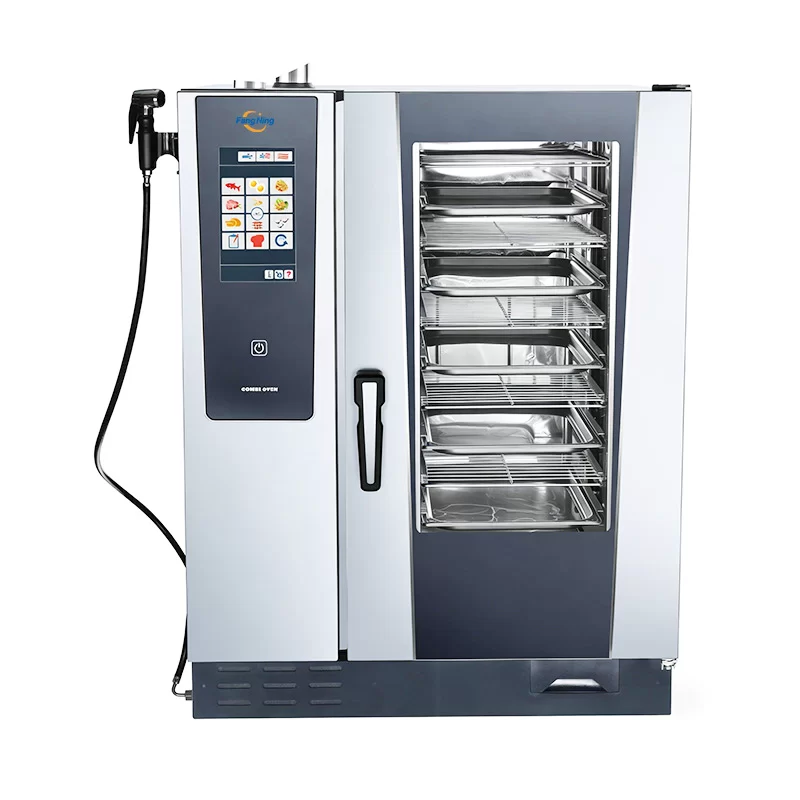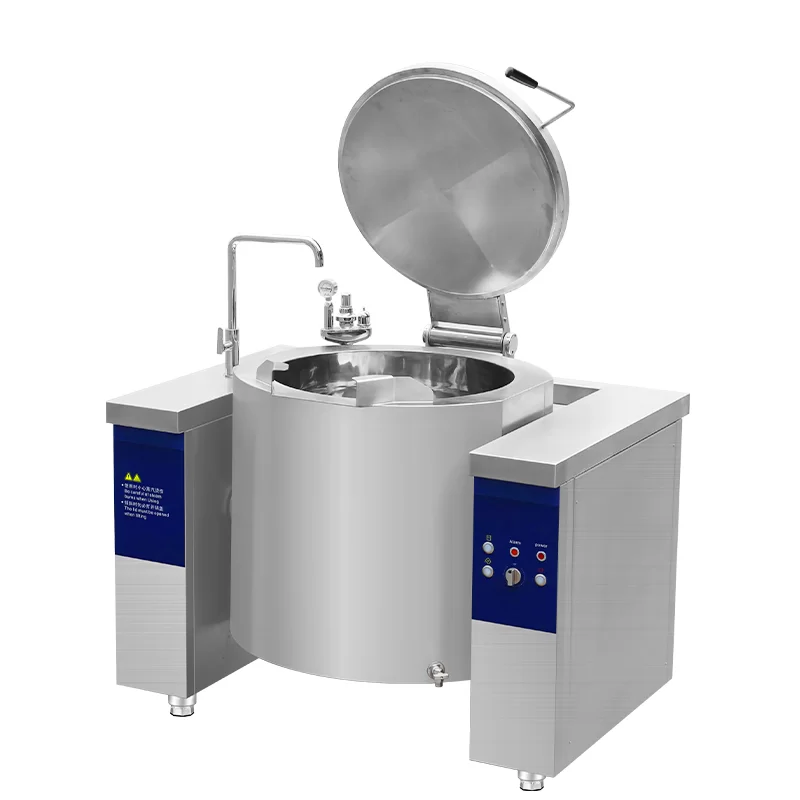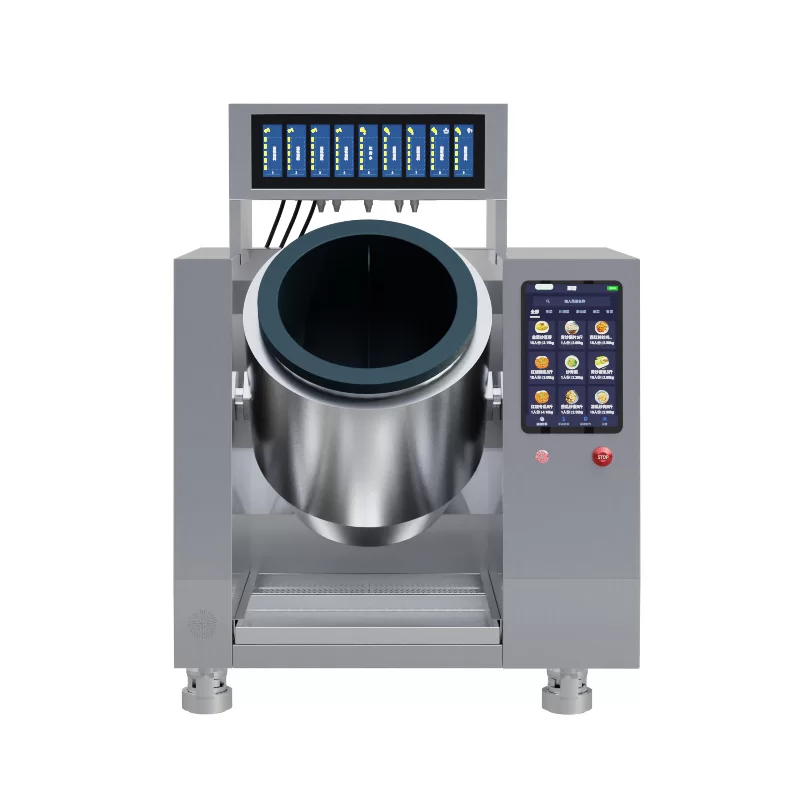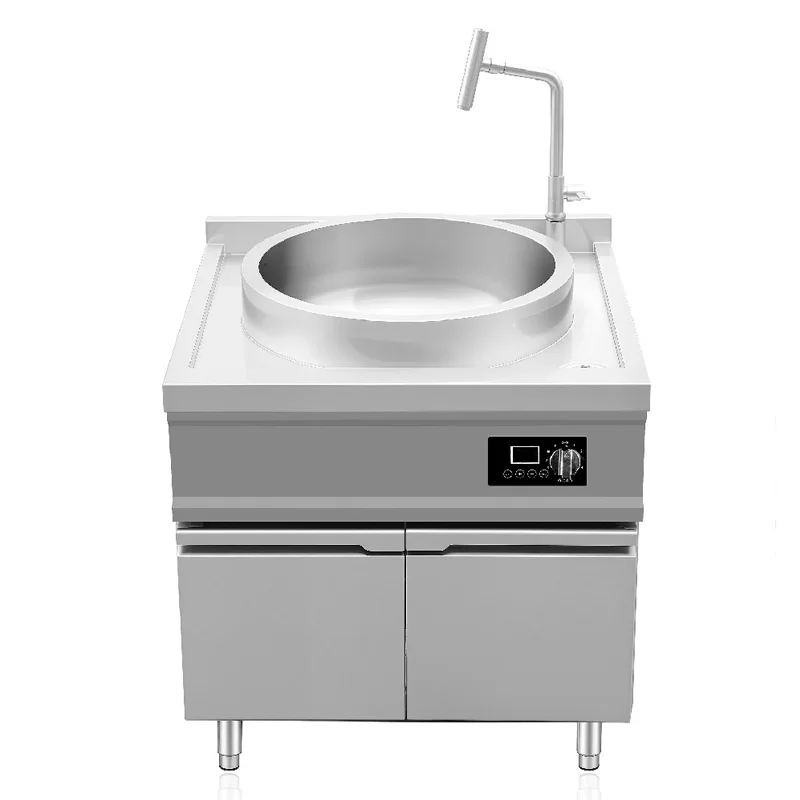
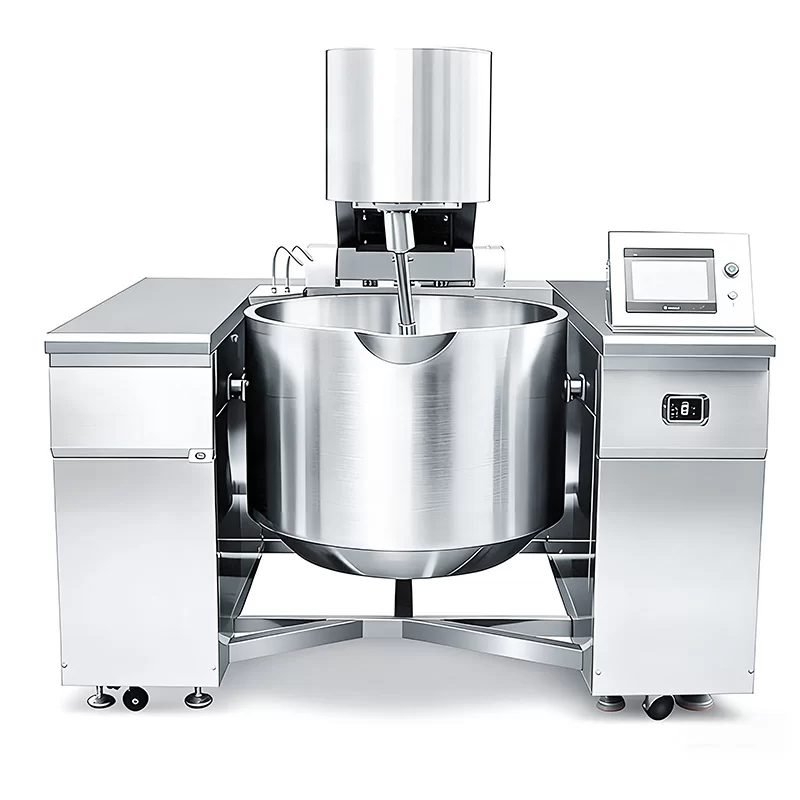
In Nigeria, the food processing industry is characterized by a vast network of Small and Medium Enterprises (SMEs) transitioning from manual stirring to mechanized systems. However, the high ambient temperatures and humidity in regions like Lagos and Kano often challenge the stability of heat-sensitive products, making the demand for a precise Planetary Mixing Pot critical for uniform thermal distribution.
Economic volatility and fluctuating energy costs have led Nigerian manufacturers to seek energy-efficient Food Automatic Mixers. The goal is to reduce labor-intensive processes and minimize batch-to-batch variability, which has historically been a hurdle for local brands attempting to compete with imported confectionery goods.
Furthermore, the rise of urban fast-food culture in cities like Abuja is driving the adoption of Fast Food Automation Machine technology. Local producers are now prioritizing equipment that can handle high-viscosity ingredients while maintaining strict hygiene standards to meet evolving regulatory requirements.