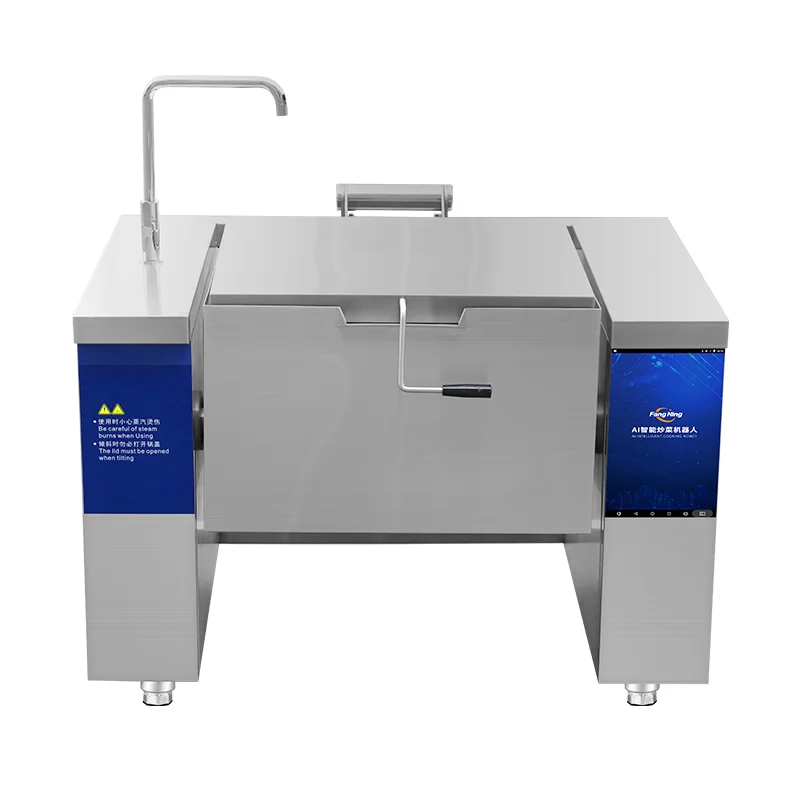
Advanced Planetary Mixing Cooking Machine Solutions for South Korea’s Food Industry
  • Home
  • Global Service
  • Advanced Planetary Mixing Cooking Machine Solutions for South Korea’s Food Industry

Advanced Planetary Mixing Cooking Machine Solutions for South Korea's Food Industry

Precision-engineered automated mixing and heating systems designed to meet the rigorous quality standards of the South Korean food manufacturing sector.

Advanced Planetary Mixing Cooking Machine Solutions for South Korea's Food Industry

We provide high-efficiency thermal processing and mixing technology to optimize production lines for Korean food enterprises, ensuring consistency and scalability through professional automation.

The Current State of Food Equipment Manufacturing in South Korea

Analyzing the intersection of K-Food global expansion and industrial automation requirements.

South Korea's food industry is currently undergoing a massive transformation driven by the "K-Food" wave. The demand for standardized, high-quality exports has forced local manufacturers to move away from traditional batch processing. The integration of Food Automatic Mixers is now a priority for companies looking to maintain flavor profiles while scaling output to meet global demands.

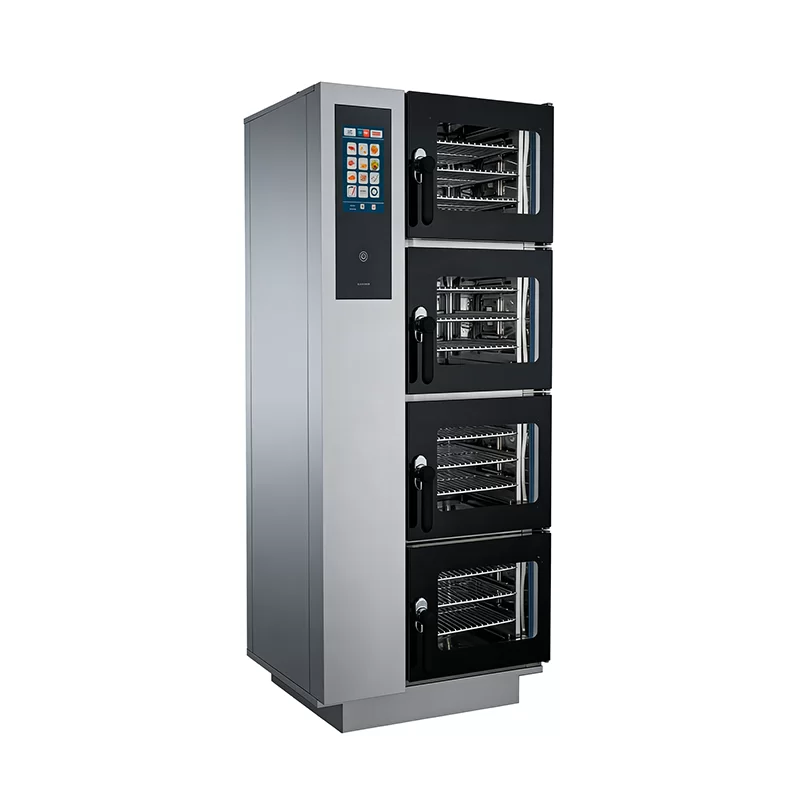
Geographically, the concentration of food hubs around Gyeonggi-do and Chungcheong province creates a competitive environment where labor costs are rising. This economic pressure has accelerated the adoption of Fast Food Automation Machine technology, reducing reliance on manual stirring and heating in semi-industrial kitchens and large-scale factories.

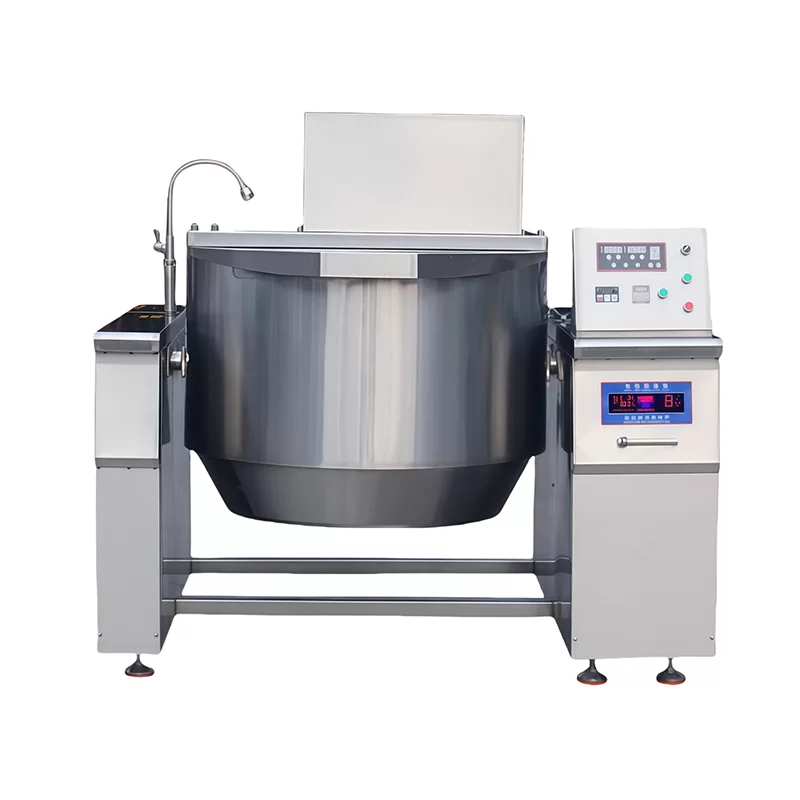
Furthermore, the South Korean market is characterized by strict hygiene regulations and a preference for high-grade stainless steel. Modern facilities are increasingly replacing antiquated boilers with precision-controlled Planetary Mixing Pot systems that offer exact temperature control to prevent scorching in high-viscosity sauces and traditional pastes.
Evolution and Technical Trajectory of Mixing Systems

From manual agitation to intelligent, PLC-driven thermal processing.

Market Development History

In the early 2000s, the Korean food sector relied heavily on simple jacketed kettles with manual scraping. Production was labor-intensive and suffered from significant batch-to-batch inconsistency, especially in the confectionery and sauce sectors.

Between 2010 and 2020, the industry shifted toward semi-automation. The introduction of the Automatic Agitating Candy Cooker revolutionized the sweets industry by automating the critical crystallization and heating phases, allowing for larger volumes with precise viscosity control.

Entering the current era, the focus has shifted to "Smart Factories." Integration with IoT and PLC systems now allows manufacturers to program complex heating curves and mixing speeds, transforming the equipment from a simple tool into a data-driven production asset.

Future Development Trends

AI-Driven Viscosity Sensing

Future systems will integrate real-time sensors to adjust mixing torque automatically based on the material's thickness, optimizing energy use.

Energy-Efficient Induction Heating

A transition from steam-jacketed systems to high-precision induction heating to reduce carbon footprints and heat-up times.

Modular Plug-and-Play Automation

Shift toward modular units that allow small-to-medium enterprises (SMEs) to expand their lines without complete factory overhauls.

Industry Trends and Future Outlook

Strategizing for the next generation of food processing equipment.

Hyper-Automation Integration
Integrating robotic loading and unloading with mixing systems to create fully unmanned production cells.
Precision Thermal Mapping
Implementing multi-point temperature sensors to ensure zero cold spots in high-viscosity food products.
Sustainability & Green Heat
Reducing water waste and energy consumption through heat recovery systems and efficient insulation.
Smart Quality Monitoring
Cloud-based logging of every batch to ensure traceability and compliance with international food safety standards.

Industry Outlook

The next 3-5 years will see a convergence of mechanical engineering and digital intelligence. As South Korean food brands target the US and EU markets, the demand for equipment that can produce "identical tastes" across different global plants will skyrocket. This means software-defined mixing profiles will become the industry standard.

We expect a significant rise in searches for integrated "Farm-to-Fork" automation, where mixing and cooking are synchronized with packaging and cold-chain logistics, creating a seamless flow that minimizes human intervention and contamination risk.

Localized Application Scenarios in South Korea

Tailored equipment solutions for the unique requirements of the Korean food landscape.

01. Traditional Gochujang & Doenjang Mass Production

Utilizing high-torque mixing systems to handle the thick viscosity of fermented bean pastes, ensuring an air-bubble-free texture and uniform fermentation distribution.

02. Premium K-Confectionery & Candy Manufacturing

Applying the Automatic Agitating Candy Cooker for precise sugar crystallization in high-end traditional sweets (Hangwa) and modern gummies.

03. Industrial Scale Sauce & Dressing Plants

Implementing large-capacity Food Automatic Mixers for emulsion stability in Korean-style dressings and spicy dipping sauces.

04. Franchise Fast Food Central Kitchens (CK)

Deploying Fast Food Automation Machine units to prepare consistent base gravies and fillings for national franchise distribution.

05. Specialized Plant-Based Meat Texturization

Using precision thermal mixing to blend proteins and binders for the rapidly growing vegan and alternative meat market in Seoul and Busan.

Brand Story

Global Development Journey of Dongguan Mexisen Electronic Co., Ltd.

Foundational Engineering Excellence

Established with a focus on precision electronics and thermal control, we began by solving the most basic heating inconsistencies in industrial mixing.

Expansion into Food Grade Automation

Recognizing the need for hygienic processing, we pivoted to specialize in food-grade stainless steel automation and planetary mixing technologies.

Global Market Penetration

Successfully exported our automated solutions to Southeast Asia and the Middle East, adapting our machines to diverse regional food textures.

Strategic Focus on Asia-Pacific

Developed dedicated product lines for the high-standard South Korean and Japanese markets, emphasizing E-E-A-T principles in engineering.

The Vision for Intelligent Heating

Today, we strive to eliminate production waste and labor hardship by integrating AI into every thermal mixing unit we manufacture.

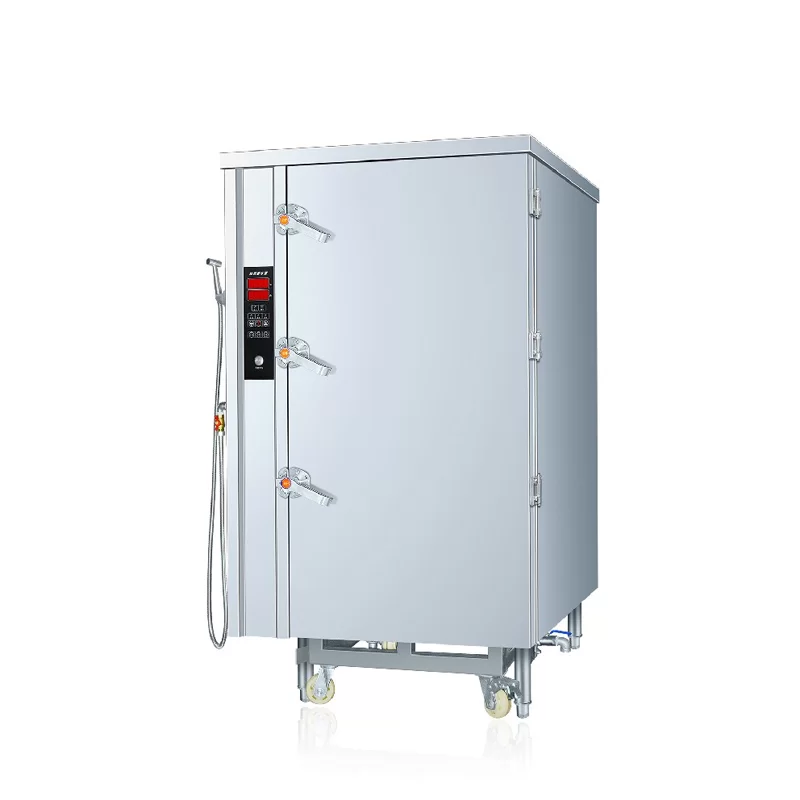
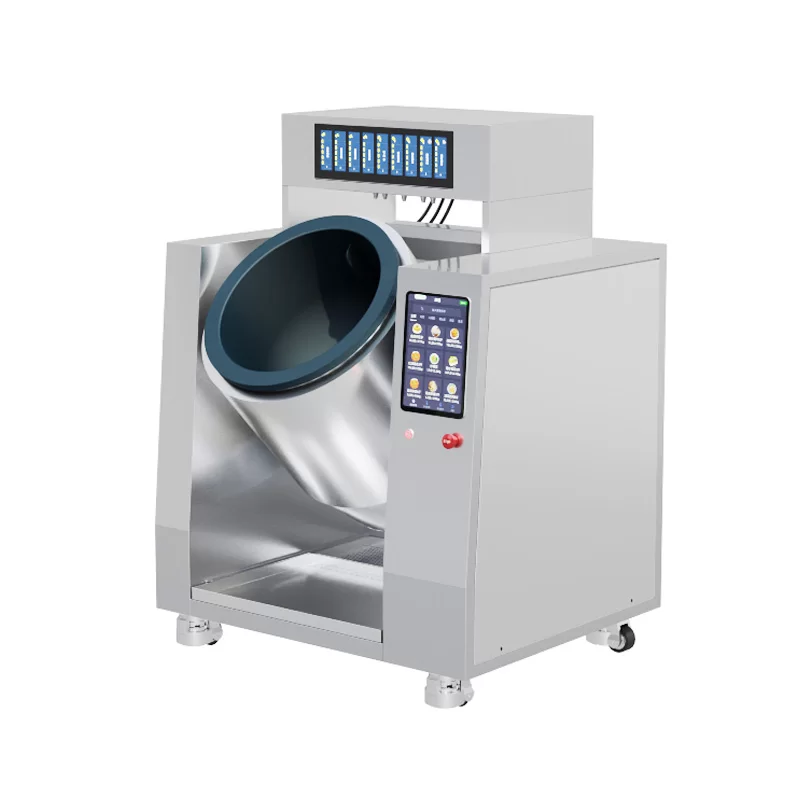
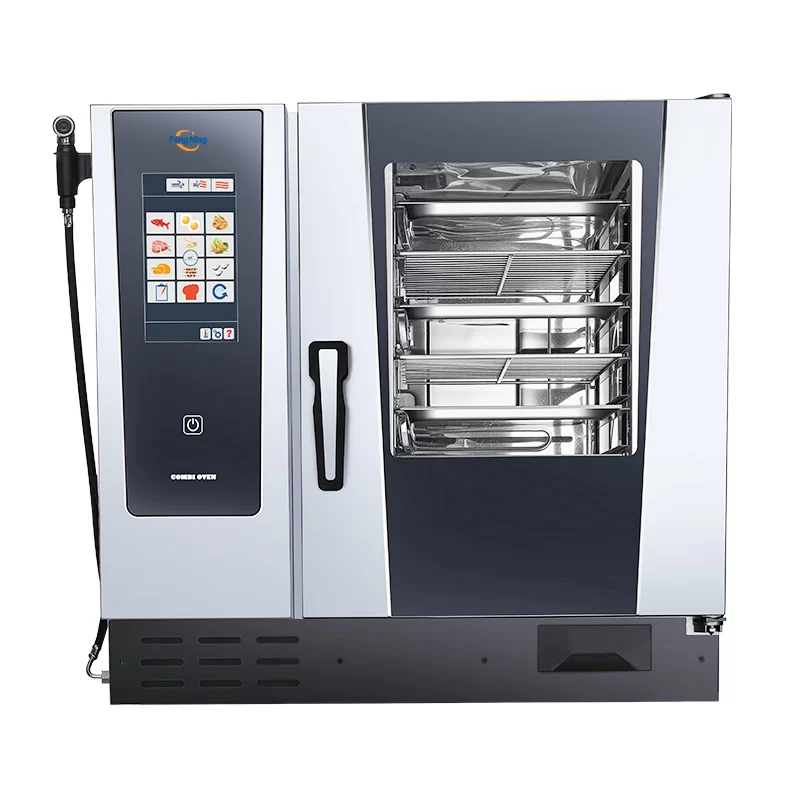
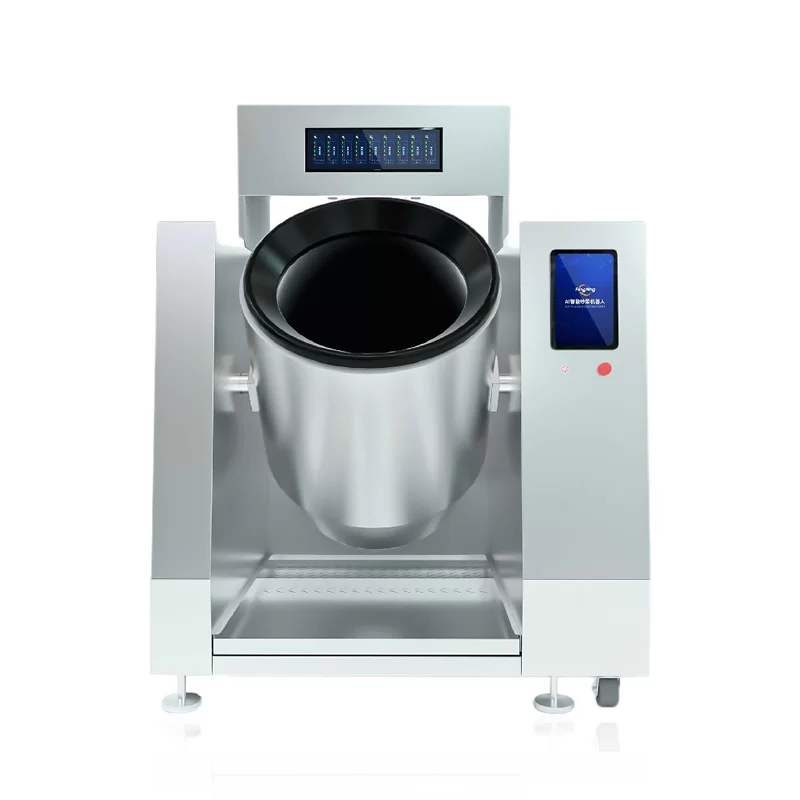
Comprehensive Product Portfolio for the South Korean Market

A full suite of planetary mixing and automatic heating solutions tailored for industrial food production.

Common Questions Regarding Food Automation in South Korea

Expert answers to technical and operational queries from local manufacturers.

How does a Planetary Mixing Pot handle high-viscosity Korean pastes?

Our planetary systems use a dual-rotation mechanism where the agitator rotates on its own axis while orbiting the center of the pot, ensuring that no "dead zones" exist, even with thick pastes like Gochujang.

Can Food Automatic Mixers be integrated into existing PLC lines?

Yes, all our mixers are equipped with standard industrial interfaces (Modbus/Profinet) allowing them to communicate with your central factory management system for full synchronization.

What is the capacity range for an Automatic Agitating Candy Cooker?

We offer a wide range from 50L for boutique confectionery shops to 1000L+ for industrial candy manufacturers, all featuring precision temperature control.

Are your Planetary Mixing Cooking Machines compliant with food safety standards?

Absolutely. We use SUS304 and SUS316L stainless steel with mirror-polished finishes to prevent bacterial growth and meet strict HACCP and local Korean health guidelines.

How much labor can be saved using a Fast Food Automation Machine?

Typically, our automation solutions reduce manual stirring labor by 70-80%, allowing staff to focus on quality control and packaging rather than physical agitation.

What maintenance is required for planetary mixing systems?

Maintenence involves periodic lubrication of the gear assembly and checking seal integrity. We provide comprehensive maintenance manuals and remote technical support for our South Korean clients.

Ready to Automate Your Production?

Contact our engineering team today for a customized solution tailored to the specific food manufacturing requirements of South Korea.

Contact Us Now

If you are interested in our products, you can choose to leave your information here, and we will be in touch with you shortly.