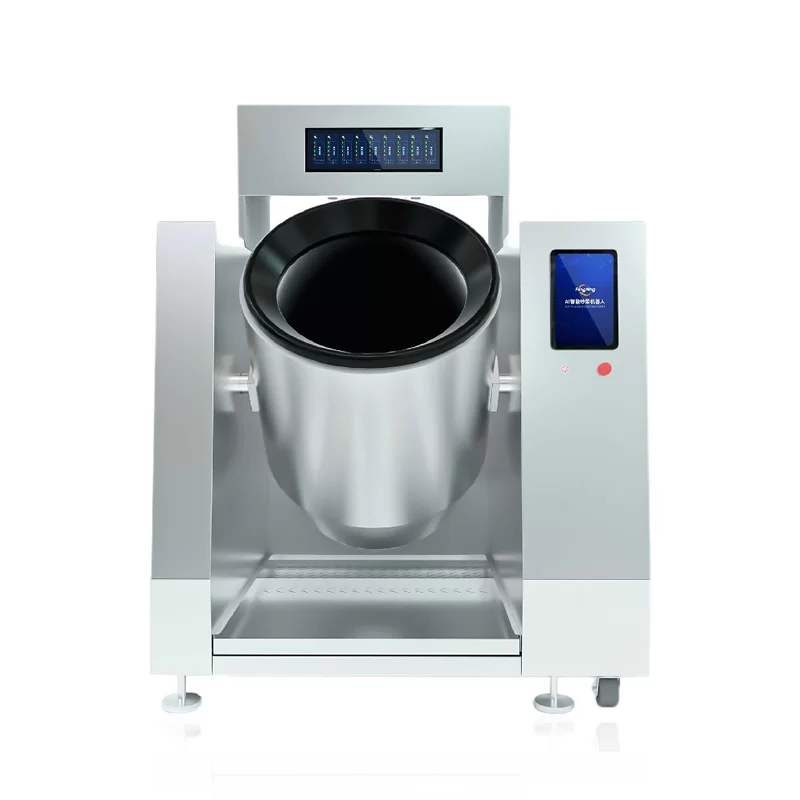
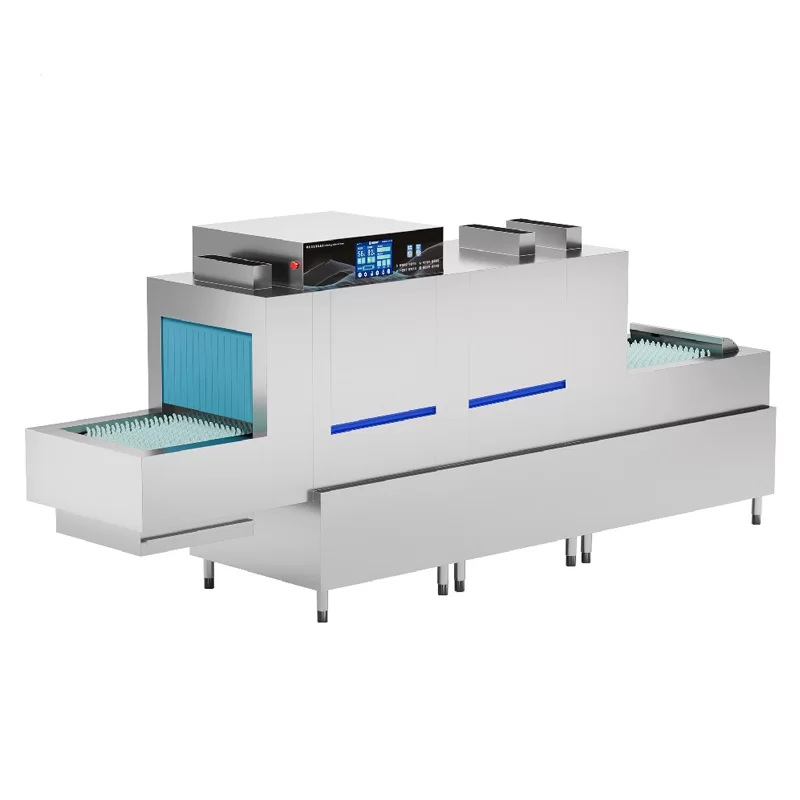
Advanced Planetary Mixing Cooking Machine Solutions for Netherlands Food Industry
  • Home
  • Global Service
  • Advanced Planetary Mixing Cooking Machine Solutions for Netherlands Food Industry

Advanced Planetary Mixing Cooking Machine Solutions for Netherlands Food Industry

Precision engineering and automated thermal processing designed to meet the rigorous European hygiene standards and production efficiency for Dutch food manufacturers.

Advanced Planetary Mixing Cooking Machine Solutions for Netherlands Food Industry

Integrating high-torque planetary motion with precision temperature control to deliver consistent batch quality for the specialized Dutch food processing sector.

The Landscape of Food Processing Automation in the Netherlands

Analyzing the demand for high-efficiency mixing and cooking systems in the heart of Europe's agri-food hub.

The Netherlands serves as a global gateway for food logistics and production, where the industry is characterized by a high density of specialized SMEs and large-scale processing plants. In this environment, the adoption of Food Automatic Mixers has become a necessity to combat rising labor costs and the stringent European food safety regulations (EFSA).

Given the Dutch commitment to sustainability and the "Circular Economy," there is a significant shift toward energy-efficient machinery. Modern facilities are replacing legacy steam jackets with precise induction heating and highly efficient Planetary Mixing Pot systems that minimize heat loss and reduce carbon footprints during high-viscosity processing.

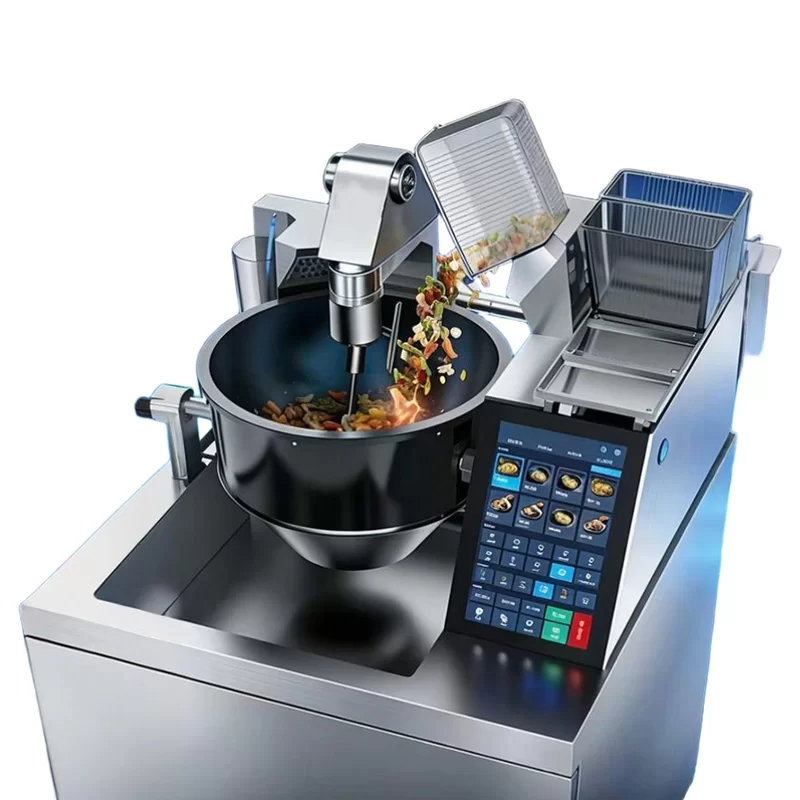
Furthermore, the regional focus on high-value confectionery and plant-based proteins requires equipment that can handle extreme viscosity changes. The demand for an Automatic Agitating Candy Cooker has surged as Dutch artisans scale their production while maintaining the "hand-crafted" quality through precise algorithmic agitation.
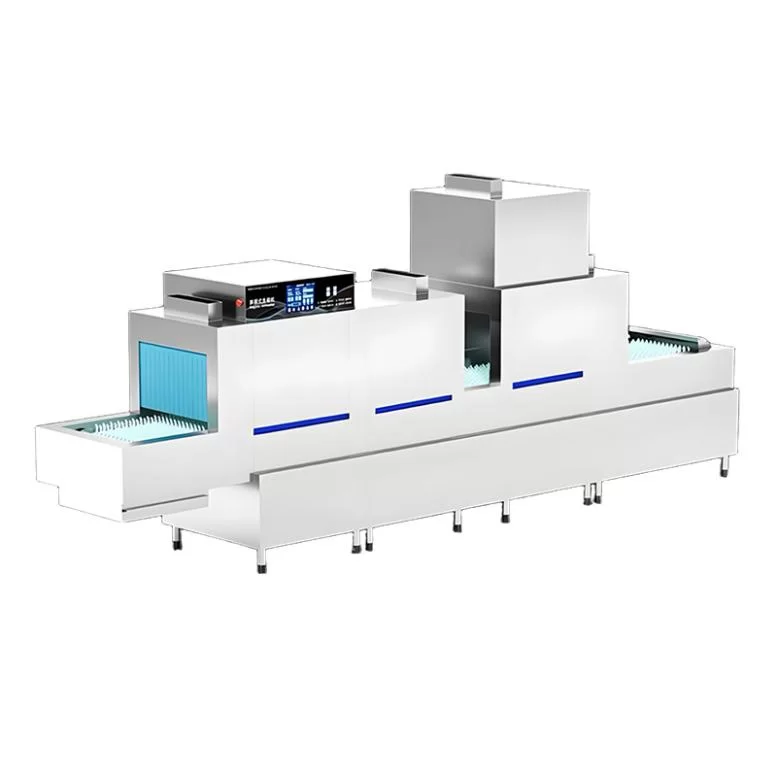
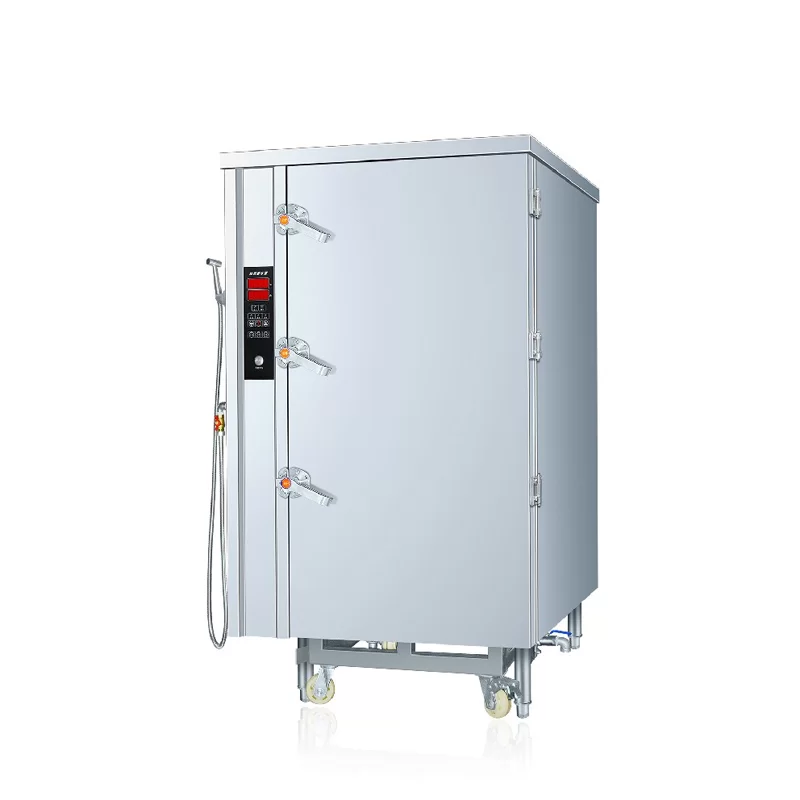
Evolution of Mixing Technology in European Manufacturing

From manual stirring to AI-driven autonomous thermal processing.

Market Development History

In the late 20th century, the Dutch food sector relied heavily on traditional jacketed kettles with simple agitators. These systems often suffered from "hot spots" and uneven mixing, requiring constant manual intervention to prevent burning of the product.

Between 2000 and 2015, the industry transitioned toward the "Planetary Era." The introduction of the Planetary Mixing Cooking Machine revolutionized the process by ensuring the mixing blade reached every millimeter of the pot, drastically reducing batch processing time and increasing homogeneity.

From 2016 to the present, the focus has shifted to full-scale Fast Food Automation Machine integration. The convergence of PLC (Programmable Logic Controllers) and IoT allows Dutch factories to synchronize their mixing stages with automated filling lines for seamless production.

Future Development Trends

Predictive Maintenance via AI

Integration of vibration sensors in mixing drives to predict bearing failure before it occurs, minimizing downtime in 24/7 Dutch production cycles.

Ultra-Low Energy Induction

A transition from traditional thermal oil heating to smart induction, allowing for near-instantaneous temperature adjustments in sensitive confectionery batches.

Hyper-Customized Agitation Profiles

Development of software-defined mixing speeds that adapt in real-time based on the measured viscosity of the food product.

Industry Outlook and Technical Trajectory

Mapping the next five years of specialized equipment manufacturing in the Netherlands.

Industry 4.0 Integration
Cloud-based monitoring of batch cycles for multi-site Dutch operations ensuring total consistency across different factories.
Green Energy Adaptation
Integration with solar-powered grids and heat recovery systems to align with Netherlands' strict CO2 reduction goals.
Modular Scale-up
Shift toward modular mixing blocks that allow Dutch SMEs to expand capacity without replacing existing infrastructure.
Hygienic Design 2.0
Implementation of "Zero-Dead-Zone" geometry to ensure 100% cleanability, exceeding current European food grade standards.

Industry Outlook

Based on Google search trend data for "food automation" and "sustainable manufacturing" in the Benelux region, the market is shifting toward highly autonomous systems. The future lies in the intersection of mechanical robustness and software intelligence, where a Planetary Mixing Pot is no longer just a tool, but a data-generating node in a smart factory.

We anticipate that within 3-5 years, the Dutch market will demand "Plug-and-Produce" capabilities, where machines are pre-configured for specific product viscosities (like stroopwafels syrup or plant-based creams) and can be deployed with minimal on-site calibration.

Localized Application Scenarios in the Netherlands

Practical implementations of our automation technology across diverse Dutch food sectors.

01. Artisanal Confectionery Scaling in Amsterdam

Using an Automatic Agitating Candy Cooker to transition a boutique candy maker from small batches to industrial volumes while preserving the delicate crystallization of traditional Dutch sweets.

02. Plant-Based Protein Processing in Rotterdam

Implementing Food Automatic Mixers to homogenize pea and soy proteins into smooth, meat-like textures for the growing vegan market in the Randstad area.

03. Gourmet Sauce Production in Utrecht

Deploying a Planetary Mixing Cooking Machine for high-viscosity savory sauces, ensuring a bubble-free, smooth emulsion that meets export standards for the rest of the EU.

04. Quick-Service Restaurant (QSR) Hubs in The Hague

Integrating a Fast Food Automation Machine to standardize the preparation of signature bases and fillings, reducing waste and ensuring flavor consistency across multiple franchise locations.

05. Industrial Bakery Fillings in Eindhoven

Utilizing a high-capacity Planetary Mixing Pot for the preparation of dense fruit fillings and creams, optimizing the heating curve to prevent ingredient degradation.

Brand Story

Global Development History of Dongguan Maxon Electronic Co., Ltd.

Foundation of Precision

Established with a vision to bridge the gap between heavy industrial machinery and electronic precision, focusing on the core mechanics of thermal mixing.

Technological Breakthrough

Developed the proprietary planetary drive system that eliminated "blind spots" in cooking pots, solving the age-old problem of scorched product bottoms.

European Market Entry

Expanded into the European market by aligning production with CE standards and focusing on the high-efficiency needs of the Netherlands and Germany.

Smart Automation Pivot

Integrated PLC and IoT capabilities, transforming traditional cooking equipment into intelligent, programmable food processing centers.

Sustainable Future

Now leading the charge in energy-efficient food equipment, helping global clients reduce their environmental impact through smarter thermal engineering.

Comprehensive Automation Suite for the Netherlands Market

A curated selection of mixing and cooking systems designed for European efficiency and compliance.

Frequently Asked Questions for Dutch Food Producers

Expert answers to technical and regulatory queries regarding food automation equipment.

How does a Planetary Mixing Pot ensure better homogeneity than standard mixers?

Unlike standard mixers that rotate on a single axis, our planetary system rotates the blade around its own axis while simultaneously orbiting the center of the pot, ensuring 100% coverage and eliminating dead zones.

Are your Food Automatic Mixers compliant with EU food safety regulations?

Yes, all equipment is manufactured using 304 or 316L stainless steel and follows strict hygienic design principles to meet EFSA and CE certification requirements for the European market.

Can the Planetary Mixing Cooking Machine handle extremely high-viscosity pastes?

Absolutely. Our machines are equipped with high-torque gearboxes and variable speed drives specifically designed for heavy pastes, thick creams, and dense food bases.

What is the energy efficiency of an Automatic Agitating Candy Cooker?

Our latest models utilize advanced insulation and precise temperature PID controllers, reducing energy consumption by up to 25% compared to traditional steam-jacketed kettles.

How easy is it to integrate a Fast Food Automation Machine into an existing line?

Our machines feature standardized PLC interfaces (such as Modbus or Profinet), allowing for seamless communication with existing conveyors, fillers, and packaging systems.

What maintenance is required for these automated mixing systems?

Maintenance primarily involves routine lubrication of the planetary gears and checking the seal integrity. Our systems are designed for "easy-access" to minimize technician time.

Ready to Automate Your Production?

Our technical experts are ready to design the perfect mixing and cooking solution tailored for your facility in the Netherlands.

Contact Us Now

If you are interested in our products, you can choose to leave your information here, and we will be in touch with you shortly.