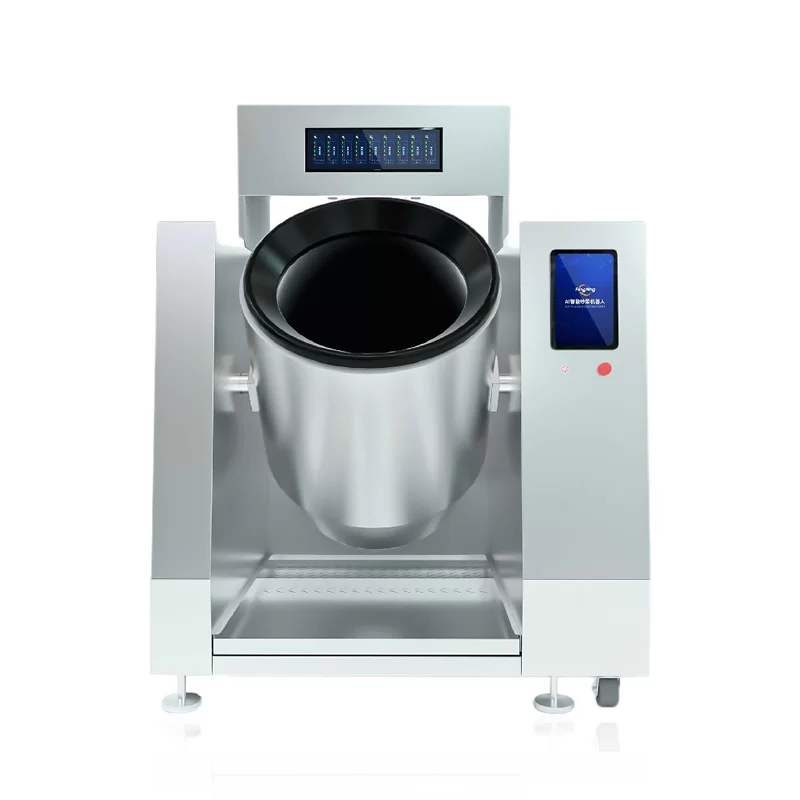
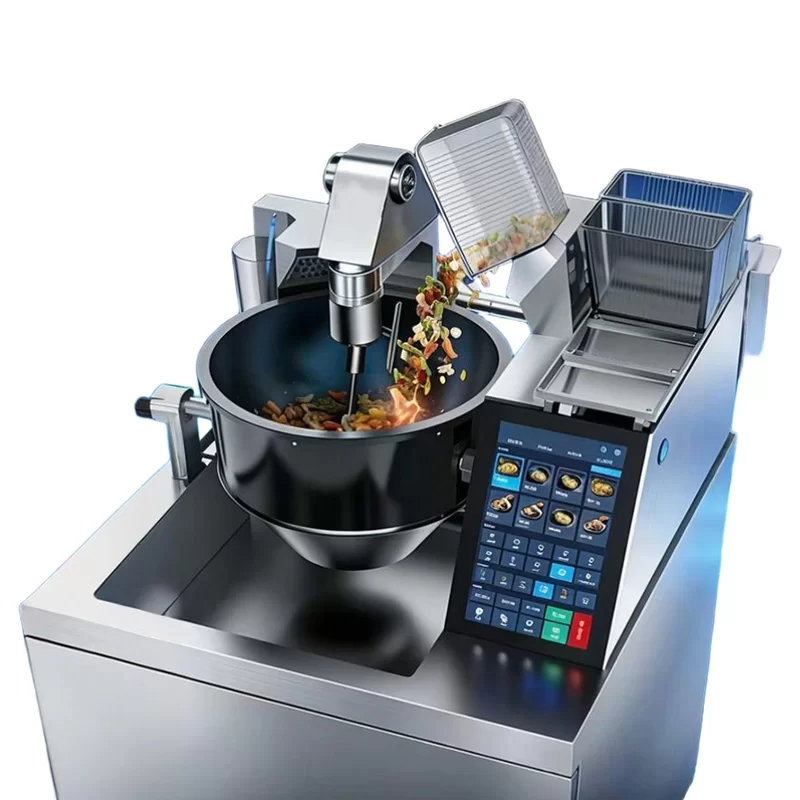
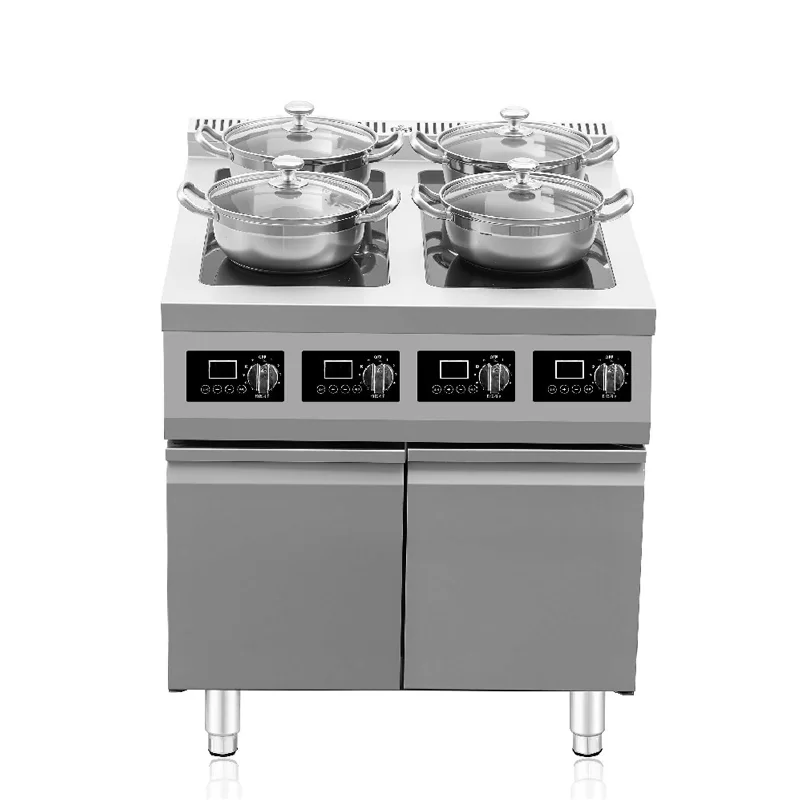
Brazil's food industry is characterized by its massive scale and diversity, particularly in the production of sweets, processed meats, and beverages. However, the humid tropical climate and fluctuating energy costs in South America create specific challenges for temperature-sensitive mixing processes. Many local producers are currently transitioning from manual labor to utilizing a Planetary Mixing Pot to maintain product stability.
The Brazilian market is experiencing a surge in the "industrialization of artisanal products." As local brands expand from regional to national scales, there is a critical demand for equipment like the Planetary Mixing Cooking Machine which combines heating and agitation, reducing the risk of scorching during the production of traditional Brazilian brigadeiros and jams.
Furthermore, the rise of urban fast-food chains in cities like São Paulo and Rio de Janeiro has accelerated the adoption of Fast Food Automation Machine systems. This shift is driven by the need to reduce labor costs and ensure that taste profiles remain identical across multiple franchise locations throughout the country.