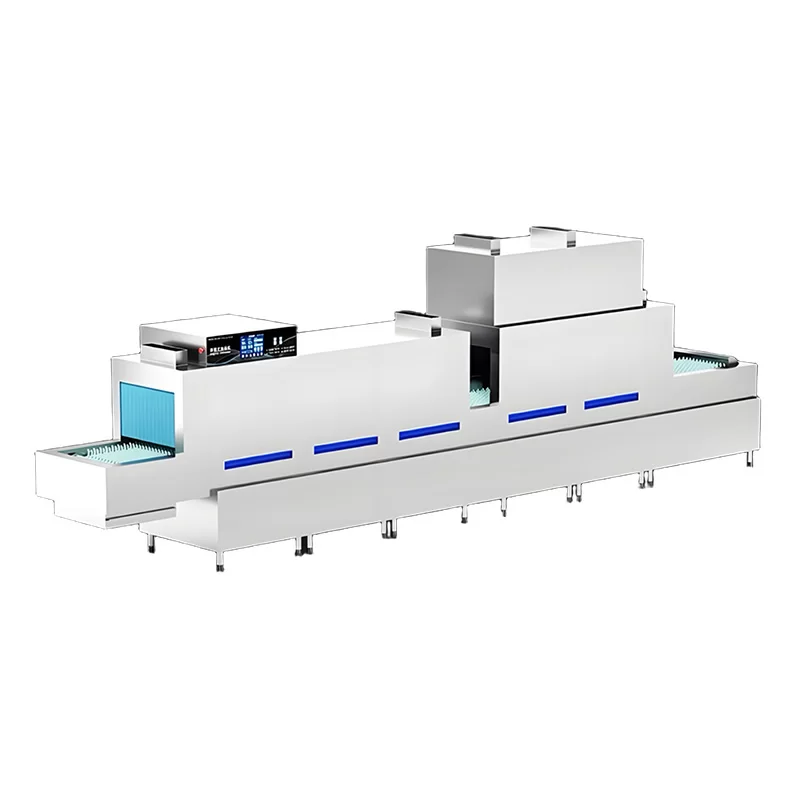
Advanced Food Production Solutions with Planetary Mixing Cooking Machine in Singapore
  • Home
  • Global Service
  • Advanced Food Production Solutions with Planetary Mixing Cooking Machine in Singapore

Advanced Food Production Solutions with Planetary Mixing Cooking Machine in Singapore

Empowering Singapore's food processing industry with high-precision automation and thermal efficiency to meet stringent NEA and SFA standards.

Advanced Food Production Solutions with Planetary Mixing Cooking Machine in Singapore

Integrating state-of-the-art mixing and heating technologies to optimize throughput for Singapore's urban food factories and central kitchens.

The Current Landscape of Food Manufacturing in Singapore

Navigating high operational costs and strict hygiene regulations in Asia's culinary hub.

Singapore's food manufacturing sector is currently characterized by a critical shift towards "Industry 4.0" due to severe labor shortages and high manpower costs. To remain competitive, local enterprises are rapidly replacing manual labor with Food Automatic Mixers that ensure consistency and reduce waste in high-density urban production environments.

Given the humid tropical climate of Singapore, equipment durability and corrosion resistance are paramount. The adoption of high-grade stainless steel in a Planetary Mixing Pot is no longer optional but a necessity to comply with Singapore Food Agency (SFA) hygiene guidelines and prevent microbial contamination.

Furthermore, the rise of "Cloud Kitchens" and centralized food distribution in the city-state has surged the demand for Fast Food Automation Machine solutions. These systems allow operators to scale production rapidly while maintaining a small physical footprint, which is essential given the premium cost of industrial real estate in Singapore.
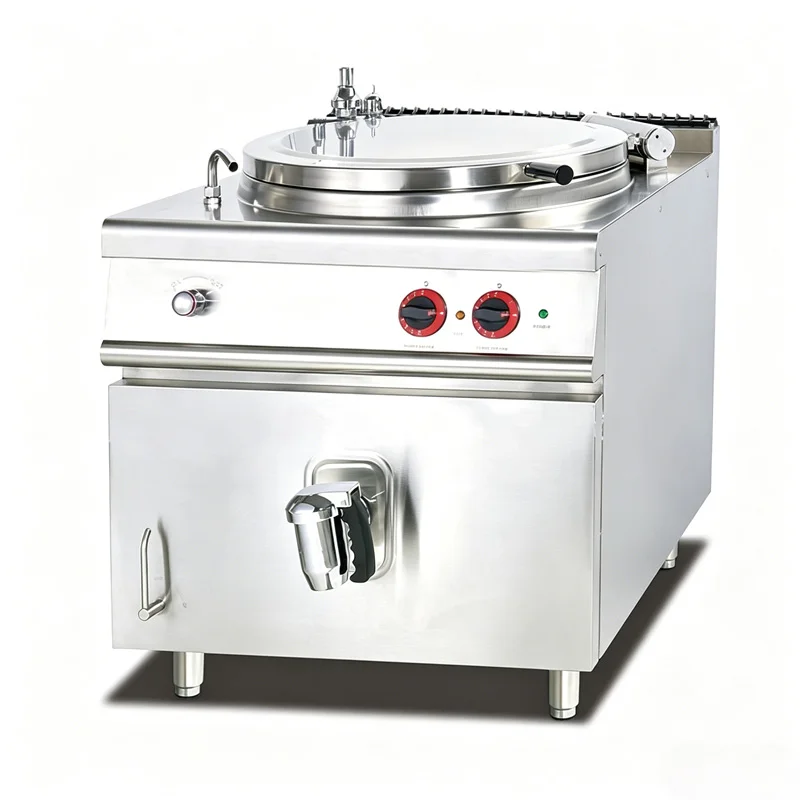
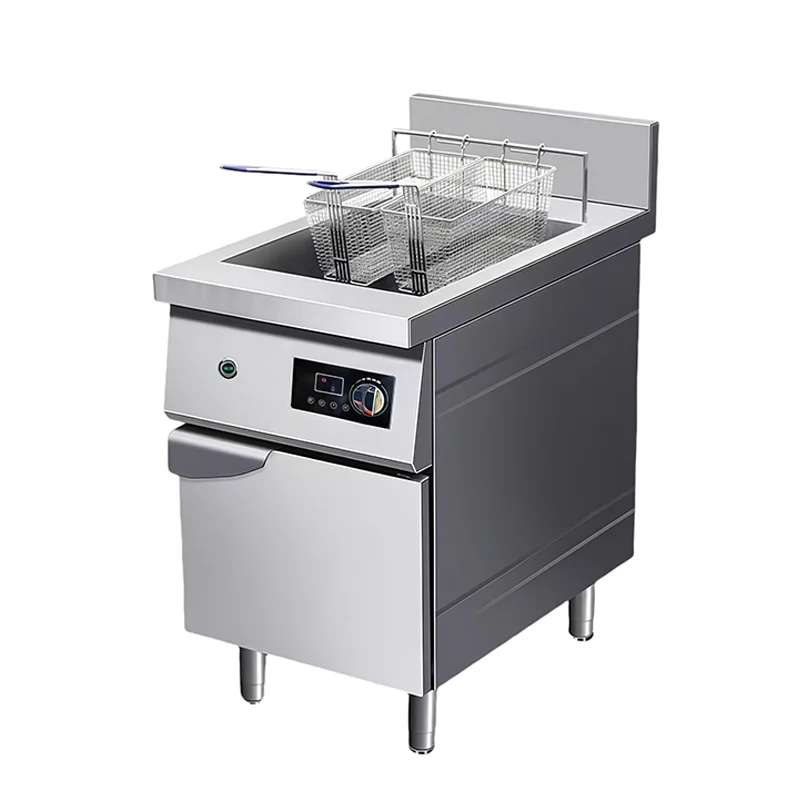
Evolution and Trajectory of Mixing Technology

From manual agitation to intelligent automated thermal processing.

Market Development History

In the early 2000s, Singapore's food sector relied heavily on basic steam-jacketed kettles and manual stirring. Production was labor-intensive, and batch consistency varied significantly depending on the operator's skill, leading to inefficiencies in large-scale confectionery and sauce production.

Between 2010 and 2020, the industry transitioned toward semi-automation. The introduction of the Automatic Agitating Candy Cooker allowed for precise temperature control and synchronized stirring, drastically reducing the "burn-on" effect and improving the texture of high-viscosity products.

Since 2021, the focus has shifted to full integration. Modern facilities now employ PLC-controlled systems where mixing speed, heating ramps, and discharge cycles are fully programmed, marking the era of truly autonomous food production in the region.

Future Development Trends

AI-Driven Viscosity Sensing

Future systems will integrate real-time sensors to adjust the torque of Food Automatic Mixers automatically based on the material's resistance, optimizing energy use.

Modular IoT Connectivity

Expect a surge in cloud-connected equipment allowing Singaporean plant managers to monitor batch progress remotely via mobile dashboards, aligning with the Smart Nation initiative.

Hyper-Efficient Induction Heating

Moving away from traditional steam, the next generation of mixing pots will utilize high-frequency induction to reduce heat-up times and lower the carbon footprint of industrial kitchens.

Industry Trends and Future Outlook

Strategic foresight for food equipment evolution in the Singaporean market.

Labor-Substitution Automation
Transitioning to full Fast Food Automation Machine setups to mitigate the impact of rising Singaporean wages.
Precision Thermal Control
Advanced PID controllers in a Planetary Mixing Cooking Machine to ensure zero-defect batches.
Sustainable Energy Use
Implementing heat recovery systems to align with Singapore's Green Plan 2030 initiatives.
Hygienic Modular Design
Fast-swap components in Food Automatic Mixers to minimize downtime during cleaning.

Industry Outlook

The future of food production in Singapore will be defined by "hyper-automation." As the city-state pushes for 30% more local food production by 2030, the reliance on highly efficient, space-saving equipment will accelerate. We predict a surge in demand for compact, multi-functional machines that can handle mixing, cooking, and cooling in a single unit.

Moreover, the integration of data analytics into the Planetary Mixing Pot will allow for predictive maintenance, ensuring that production lines never stop unexpectedly—a critical requirement for the fast-paced Singaporean supply chain.

Localized Application Scenarios in Singapore

Real-world deployment of automation across Singapore's diverse food landscape.

01. Industrial Halal Sauce Production

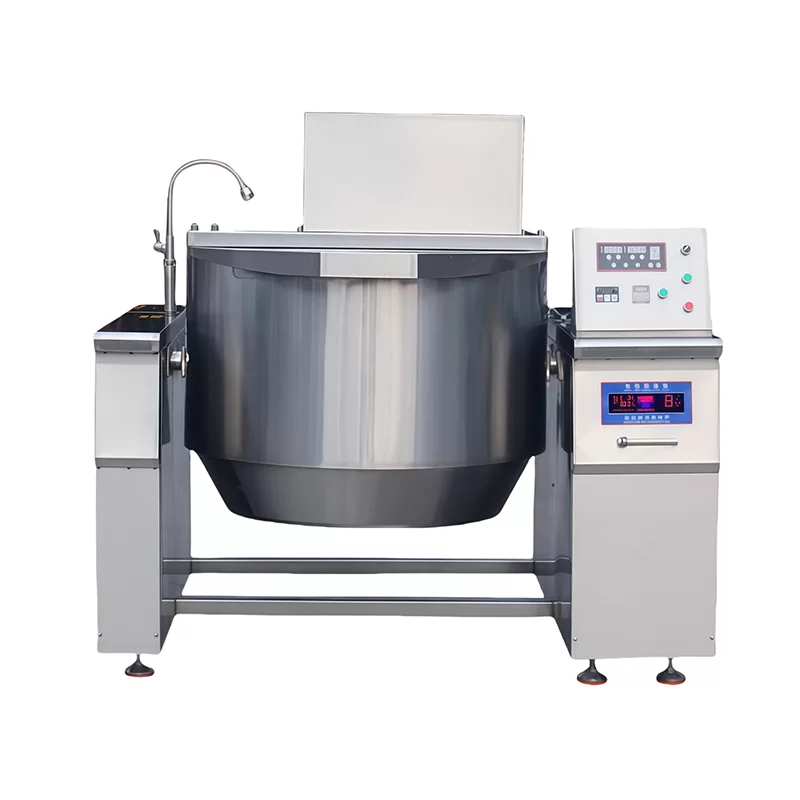
Utilizing a Planetary Mixing Cooking Machine to ensure strict Halal compliance through dedicated, non-contaminating stainless steel surfaces and automated cleaning cycles for mass-produced sauces in Jurong Industrial Estate.

02. High-End Artisanal Candy Workshops

Implementing the Automatic Agitating Candy Cooker for boutique confectioneries in the CBD, allowing small teams to produce consistent, high-viscosity sweets without manual labor.

03. Central Kitchens for Fast Food Franchises

Deploying a fleet of Fast Food Automation Machine units to prepare consistent bases for gravies and fillings, distributed across multiple outlets island-wide.

04. Commercial Bakery Hubs

Integrating large-capacity Food Automatic Mixers for high-volume dough and cream preparation, reducing the reliance on foreign labor in the baking sector.

05. Specialized Health-Food Supplements

Using a precision Planetary Mixing Pot for the homogenous blending of nutrient-dense pastes and health supplements tailored for Singapore's aging population.

Brand Story

Global Development Journey of Dongguan Mcsen Electronic Co., Ltd.

The Foundation of Precision

Started with a vision to bridge the gap between manual cooking and industrial efficiency, focusing on the core thermodynamics of food processing.

Technological Breakthroughs

Developed the proprietary planetary agitation system, solving the long-standing problem of "dead zones" in high-viscosity food mixing.

Global Market Expansion

Expanded operations into Asia's most demanding markets, optimizing equipment to meet the rigorous health and safety standards of Singapore and beyond.

Commitment to Sustainability

Pioneered energy-saving heating elements that reduce carbon emissions, helping our clients achieve "Green Factory" certifications.

The Future of Food Tech

Now leading the charge in AI-integrated food machinery, ensuring that food production is smarter, cleaner, and more efficient for the next generation.

Complete Automation Portfolio for Singapore

Comprehensive equipment suites designed for high-density urban production.

Frequently Asked Questions for Singapore Operators

Technical and regulatory guidance for local food manufacturers.

Do your Food Automatic Mixers comply with SFA hygiene standards?

Yes, all our equipment is manufactured using food-grade SUS304 or SUS316L stainless steel with seamless welding to prevent bacterial growth, fully aligning with Singapore Food Agency (SFA) requirements.

How does a Planetary Mixing Pot handle high-viscosity pastes?

The planetary action ensures the mixing blade rotates on its own axis while orbiting the center, ensuring every cubic centimeter of the product is agitated, which is ideal for thick sauces and confectionery.

Can the Automatic Agitating Candy Cooker be integrated into an existing line?

Absolutely. Our machines feature modular PLC interfaces that can be synchronized with your existing conveyor systems or packaging units for a seamless automated workflow.

What is the power consumption of a Planetary Mixing Cooking Machine in SG?

Our machines are optimized for Singapore's 230V/400V grids. We utilize high-efficiency inverters to reduce peak power loads during the start-up of heavy mixing cycles.

How does the Fast Food Automation Machine reduce labor costs?

By automating the stirring and heating process, one operator can manage up to four machines simultaneously, reducing the manpower requirement per batch by approximately 75%.

What maintenance is required for industrial mixers in humid climates?

We recommend quarterly checks of the seals and lubrication of the planetary gears to prevent oxidation caused by Singapore's high humidity, ensuring long-term mechanical stability.

Ready to Automate Your Production?

Contact our technical experts today to customize your food processing line for the Singapore market.

Contact Us Now

If you are interested in our products, you can choose to leave your information here, and we will be in touch with you shortly.