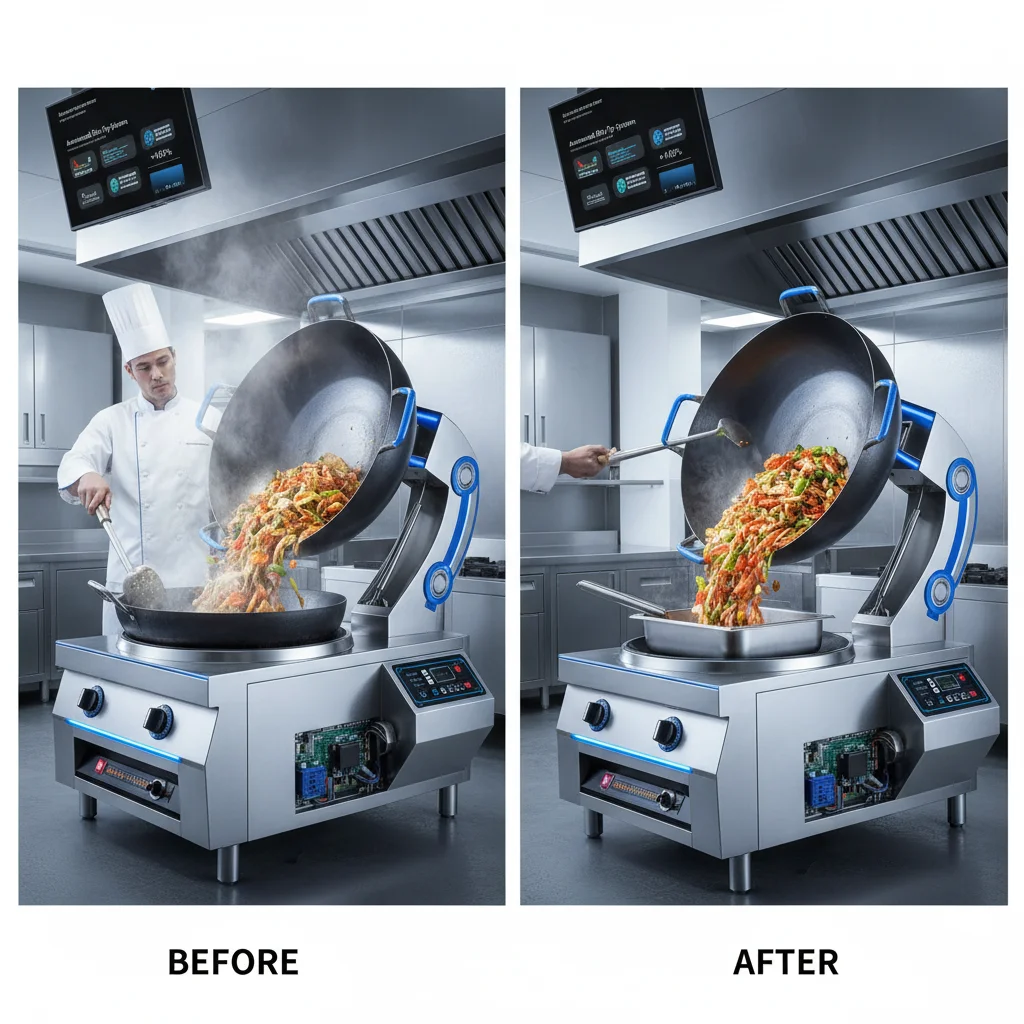
The global food service landscape is undergoing a seismic shift as the demand for speed, precision, and hygiene reaches an all-time high. A Fast Food Automation Machine is no longer just a luxury for giant franchises but a strategic necessity for any commercial kitchen aiming to scale operations without sacrificing quality. By integrating robotics and smart sensors, these systems eliminate human error and streamline the path from order to delivery.
From a global perspective, the integration of automation in the catering sector addresses the critical shortage of skilled labor and the rising cost of operational overhead. Modern systems are designed to handle repetitive tasks—such as frying, assembling burgers, or dispensing beverages—with a level of consistency that manual labor simply cannot match. This shift ensures that every customer receives the same high-standard product, regardless of the hour or the location.
Understanding the nuances of a Fast Food Automation Machine allows business owners to optimize their throughput and improve safety standards. As we move toward "dark kitchens" and automated kiosks, the ability to implement scalable, food-grade technology becomes the primary differentiator between a struggling eatery and a market leader. This guide explores the technical core, applications, and future of these transformative devices.
Global Context of Fast Food Automation Machine
The rapid urbanization seen in the last decade has pushed the quick-service restaurant (QSR) industry to its limits. According to industry analysis aligned with ISO food safety standards, the pressure to reduce "ticket time" while maintaining strict hygiene protocols has made the Fast Food Automation Machine a pivotal tool. In regions like North America and East Asia, the labor gap has forced a transition from manual assembly lines to robotic-assisted kitchens.
This technological evolution addresses the challenge of "peak hour volatility," where the surge in demand often leads to decreased food quality and increased staff burnout. By automating the most strenuous and repetitive parts of the process, companies can maintain a steady flow of output, ensuring that the operational rhythm remains consistent even during the busiest periods of the day.
Defining the Fast Food Automation Machine
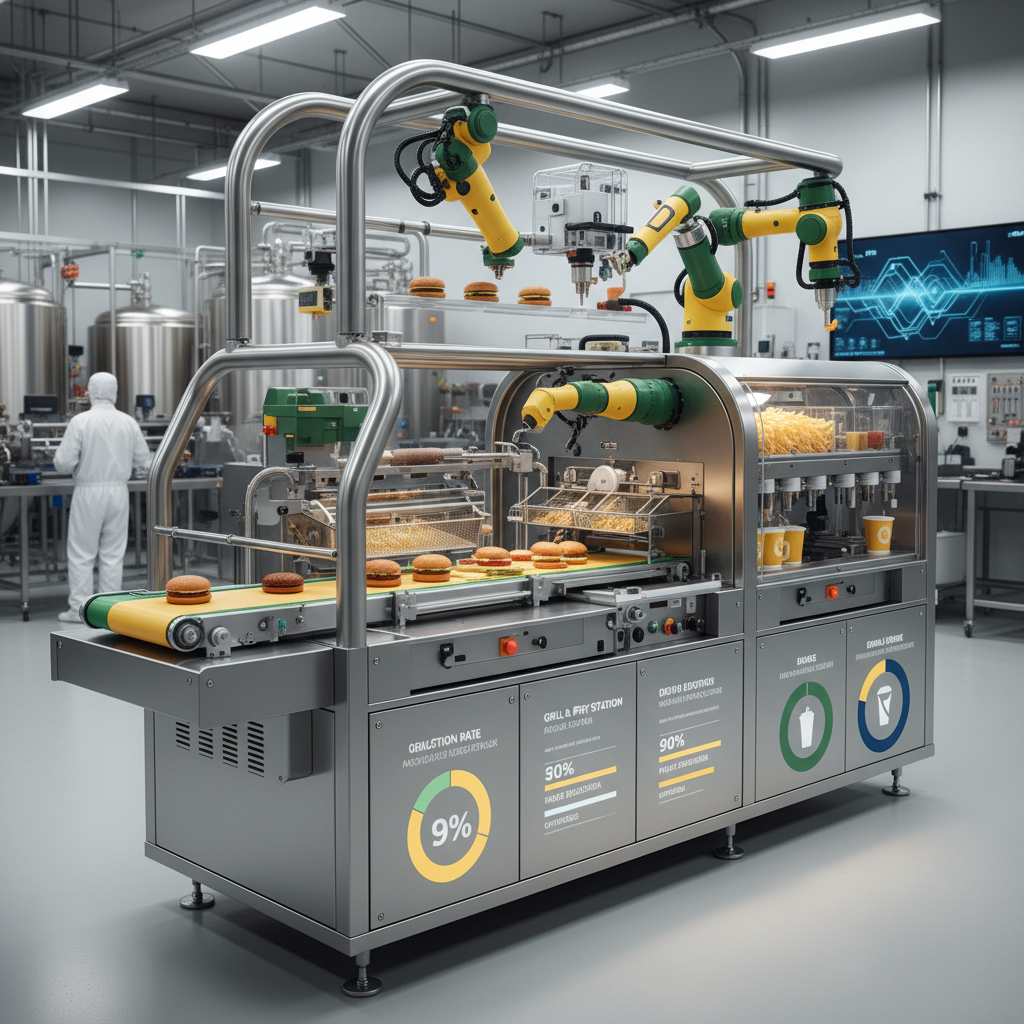
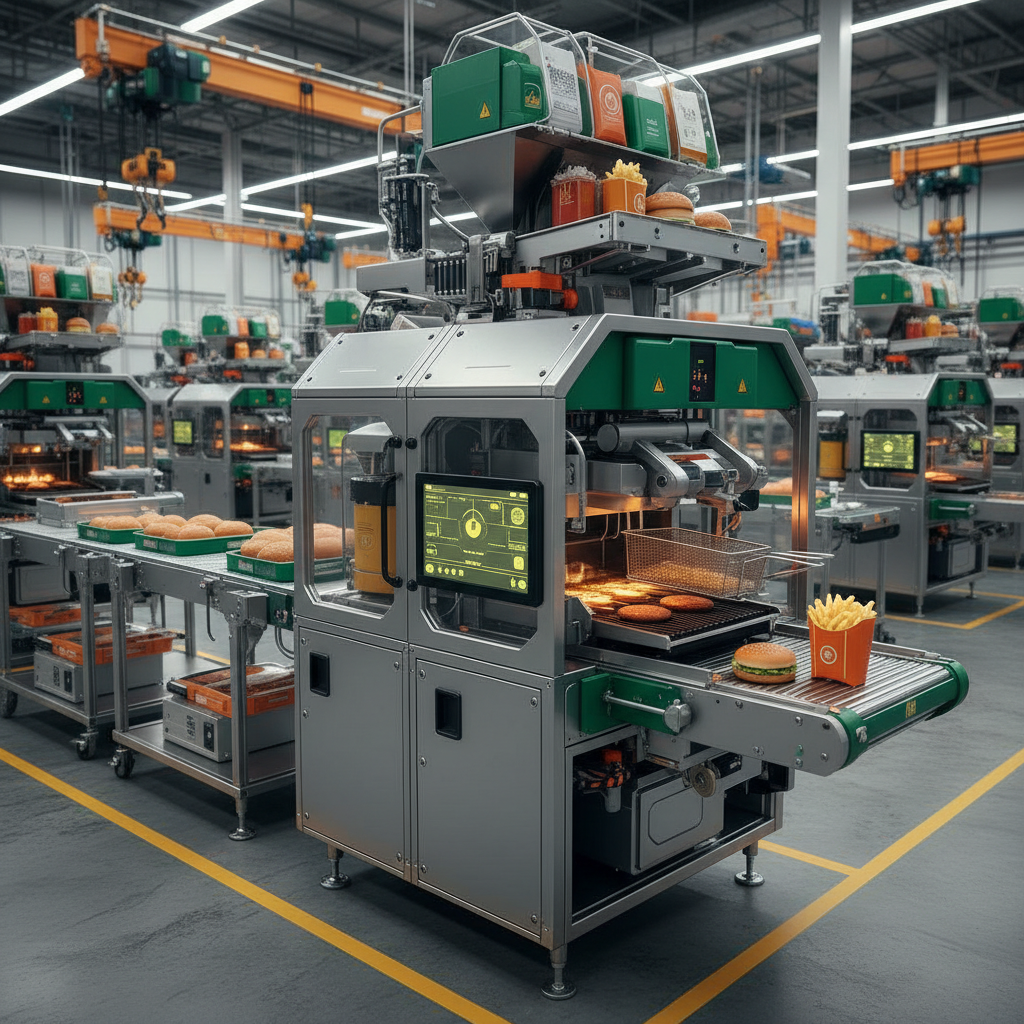
At its core, a Fast Food Automation Machine is an integrated system of hardware and software designed to perform specific culinary tasks without constant human intervention. This ranges from precision frying and automated beverage dispensing to complex robotic arms that can assemble burgers or toss salads. These machines are engineered using food-grade stainless steel and PLC (Programmable Logic Controller) systems to ensure absolute precision in temperature, timing, and portion control.
Beyond the mechanical hardware, these systems are deeply connected to the modern need for digitalization. They interface directly with Point of Sale (POS) systems, meaning the moment a customer taps "order" on a kiosk, the automation machine begins the preparation process. This synergy eliminates the communication gap between the front-of-house and the kitchen, drastically reducing errors and food waste.
In a broader humanitarian and industrial sense, this automation allows for the deployment of high-quality nutrition in environments where skilled chefs are unavailable. Whether it is a high-traffic airport terminal or a remote industrial canteen, these machines ensure that food safety is never compromised by human fatigue, upholding a global standard of public health and culinary reliability.
Core Components of Automation Systems
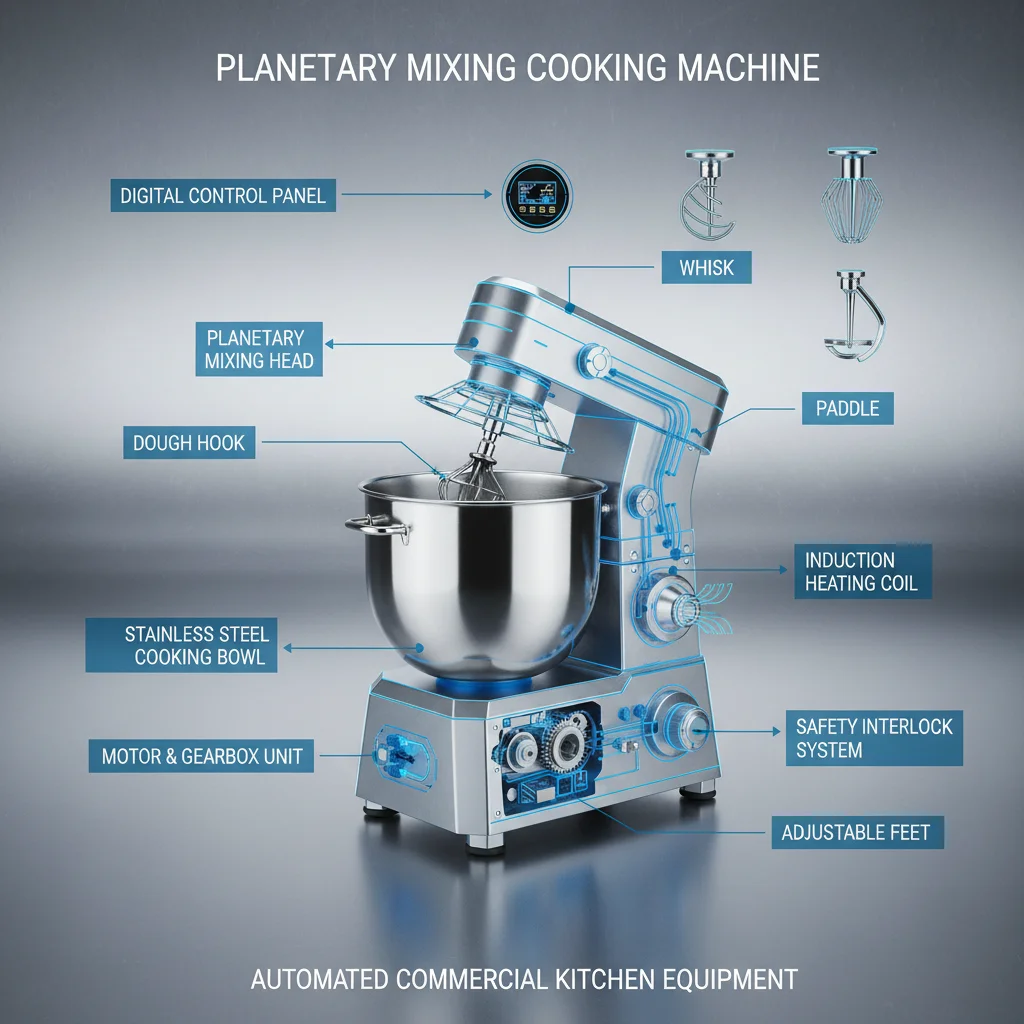
The durability of a Fast Food Automation Machine depends on its build quality. High-grade 304 stainless steel is the industry standard, providing the necessary corrosion resistance against salt, oils, and acidic food components. This ensures that the machinery can withstand 24/7 operation in high-heat environments without structural degradation.
Precision and portion control are handled by advanced actuators and volumetric dispensers within the Fast Food Automation Machine. By utilizing calibrated sensors, these machines can dispense ingredients down to the milligram, which not only ensures taste consistency across a global franchise but also significantly reduces the cost of goods sold (COGS) by eliminating over-portioning.
Finally, the intelligence of the system lies in its software scalability. A modern Fast Food Automation Machine is designed with modular firmware, allowing operators to update recipes, adjust cooking times, or integrate new menu items via a cloud-based dashboard. This flexibility allows a business to pivot its menu in real-time based on seasonal trends without needing to replace the physical hardware.
Operational Efficiency and Scalability
When analyzing the impact of automation, the most immediate gain is the dramatic increase in throughput. A Fast Food Automation Machine can operate at a constant speed, unaffected by the physical exhaustion that slows down human workers during a double shift. This creates a predictable production cycle, allowing managers to forecast exactly how many units can be produced per hour.
Furthermore, the scalability of these systems allows brands to expand into smaller footprints, such as "micro-kitchens" or automated vending hubs, where a full staff would be financially unviable. By condensing the production process into a high-efficiency automated unit, the barrier to entry for new locations is lowered, accelerating brand growth.
Performance Metrics of Fast Food Automation Machine Variants
Global Applications and Use Cases
In highly developed urban centers like Tokyo or New York, the Fast Food Automation Machine is often integrated into fully autonomous storefronts. These "staffless" stores utilize automation to handle everything from food preparation to packaging, allowing for 24/7 operation with minimal overhead. This is particularly effective in high-rent districts where maximizing every square inch of space is critical for profitability.
Beyond commercial retail, these systems are finding use in institutional catering, such as large-scale hospitals or university campuses. In these settings, the focus shifts toward nutritional consistency and hygiene. Automated systems can precisely manage ingredients for dietary restrictions, ensuring that a meal designed for a specific medical need is produced exactly as prescribed, every single time.
Long-Term Value and Sustainability
The long-term financial value of investing in a Fast Food Automation Machine extends far beyond labor savings. One of the most significant advantages is the drastic reduction in food waste. Because the machines utilize precise measurement and "just-in-time" preparation, the amount of discarded ingredients is minimized, contributing directly to a more sustainable supply chain and higher profit margins.
From an emotional and brand perspective, automation builds consumer trust through consistency. When a customer knows that their meal will taste identical regardless of which branch they visit, it fosters a sense of reliability and professionalism. This stability in quality is a cornerstone of brand loyalty in the competitive fast-food market.
Additionally, these machines improve the dignity and safety of the workplace. By taking over the most hazardous tasks—such as handling boiling oil or working in extreme heat—automation reduces the risk of workplace injuries. This allows the remaining human staff to focus on hospitality and customer experience, shifting their role from "laborers" to "service ambassadors."
Future Trends in Food Robotics
The next frontier for the Fast Food Automation Machine is the integration of Artificial Intelligence (AI) and Machine Learning (ML). Future systems will not just follow a pre-set recipe but will "learn" from customer feedback and sales data to optimize cooking times and ingredient ratios automatically. We are moving toward a "predictive kitchen" where machines can anticipate demand spikes based on local events or weather patterns.
Sustainability will also drive innovation, with a shift toward energy-efficient induction heating and biodegradable materials within the machinery's dispensing systems. As green energy becomes the standard, we expect to see automation machines that operate on low-voltage solar arrays, making them viable for remote kiosks and eco-friendly urban hubs.
Finally, the convergence of IoT (Internet of Things) will allow for seamless fleet management. A corporate headquarters will be able to monitor the health of every Fast Food Automation Machine across thousands of locations in real-time, predicting part failure before it happens (predictive maintenance) and ensuring zero downtime for the business.
Analysis of Fast Food Automation Machine Implementation Tiers
|
Implementation Tier
|
Primary Focus
|
ROI Speed
|
Complexity Score (1-10)
|
| Entry-Level Dispensing |
Ingredient Accuracy |
Fast (6-12 Months) |
3 |
| Semi-Auto Cooking |
Consistency & Safety |
Medium (1-2 Years) |
5 |
| Full Robotic Assembly |
Labor Reduction |
Medium (2-3 Years) |
8 |
| AI-Driven Ecosystems |
Demand Prediction |
Slow (3-5 Years) |
10 |
| Modular Micro-Hubs |
Market Expansion |
Fast (1 Year) |
6 |
| Customized Hybrid Gear |
Unique Menu Value |
Medium (2 Years) |
7 |
FAQS
These machines significantly reduce human contact with raw and cooked foods, minimizing the risk of cross-contamination. They operate with precise temperature controls that ensure food is cooked through to safe internal temperatures every time, eliminating the "human error" of undercooking. Additionally, most are built with easy-to-clean stainless steel and integrated CIP (Clean-In-Place) systems that meet the strictest global hygiene standards.
While the initial investment is higher than manual equipment, the long-term maintenance is manageable. Most modern systems use predictive maintenance alerts, notifying operators when a part is nearing the end of its life cycle. This prevents costly emergency breakdowns. When compared to the recurring costs of labor turnover and training, the total cost of ownership (TCO) for automation is often lower over a 5-year period.
Yes, modern automation machines are highly flexible. Through their integration with POS systems, they can receive specific modification requests (e.g., "no onions" or "extra cheese"). The software adjusts the dispensing and assembly sequence in real-time, ensuring that customizations are executed with the same precision as standard recipes, which is often a struggle for human staff during rush hours.
Rather than total replacement, automation shifts the role of the staff. While robots handle the repetitive, dangerous, and boring tasks, humans are needed for quality oversight, complex problem solving, and high-touch customer service. The result is a hybrid environment where the machine handles the "production" and the human handles the "hospitality," leading to a better overall customer experience.
Installation time varies by complexity. Modular dispensing units can be integrated within a few days. Full-scale robotic assembly lines typically require 2-4 weeks for physical installation, calibration, and staff training. However, because these systems are often prefabricated in factories, the "on-site" disruption is minimal compared to a full kitchen renovation.
Yes, newer generations of automation machines are designed with energy efficiency in mind. By using precision heating (like induction) and smart power-saving modes during low-demand periods, they often use less energy than multiple independent manual appliances. Many are now being built to align with LEED and other green building certifications to reduce the carbon footprint of the kitchen.
Conclusion
The implementation of a Fast Food Automation Machine represents a fundamental evolution in the food service industry. By bridging the gap between high-volume demand and uncompromising quality, these systems empower businesses to scale rapidly, reduce waste, and ensure a safer environment for both employees and consumers. From the precision of ingredient dispensing to the intelligence of AI-driven production, automation is the engine driving the next generation of commercial kitchens.
As we look forward, the businesses that embrace this digital transformation will be the ones to survive the volatility of the modern labor market and the rising expectations of the global consumer. We encourage operators to start with modular automation and scale upward as their needs grow. To discover the perfect automation solution for your business, visit our website: www.smartfoodheat.com.