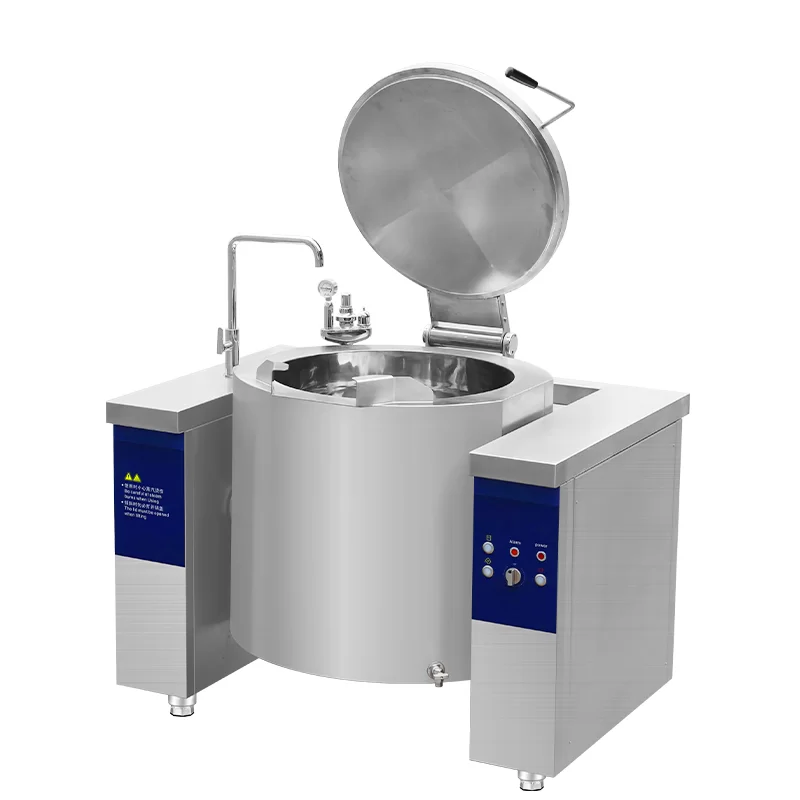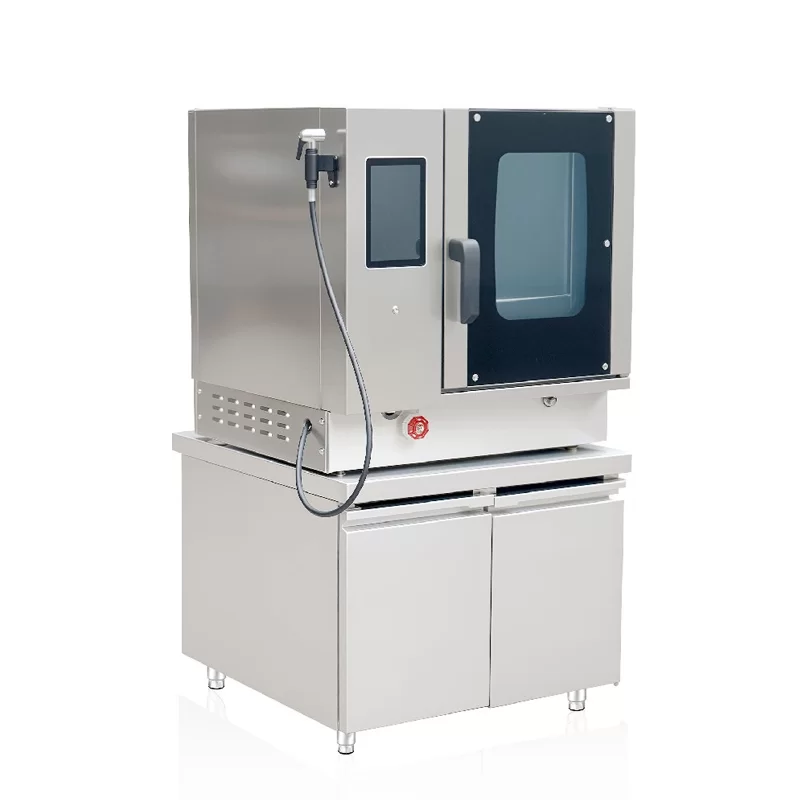
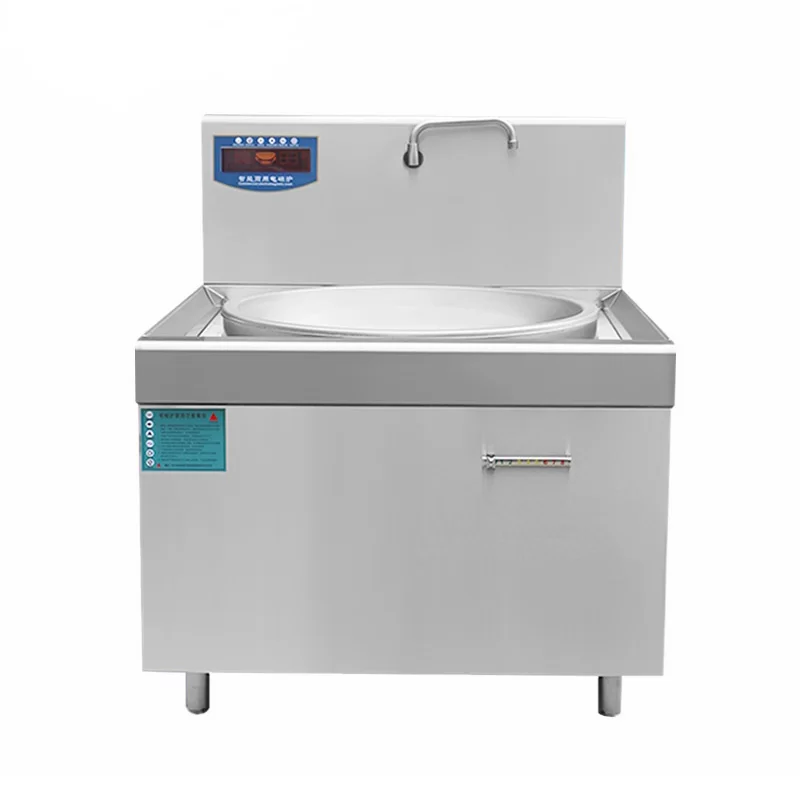
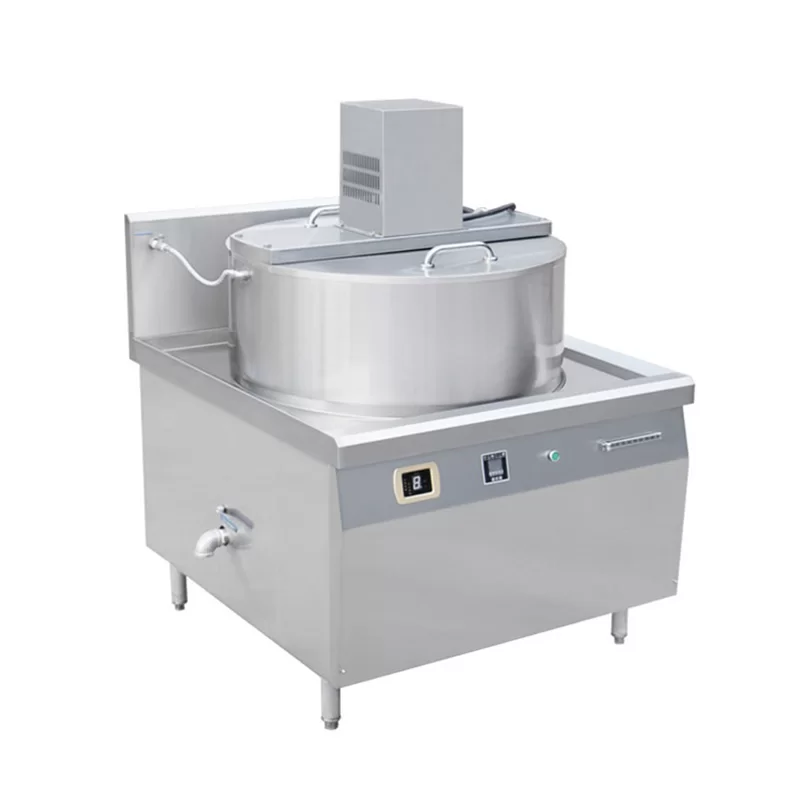
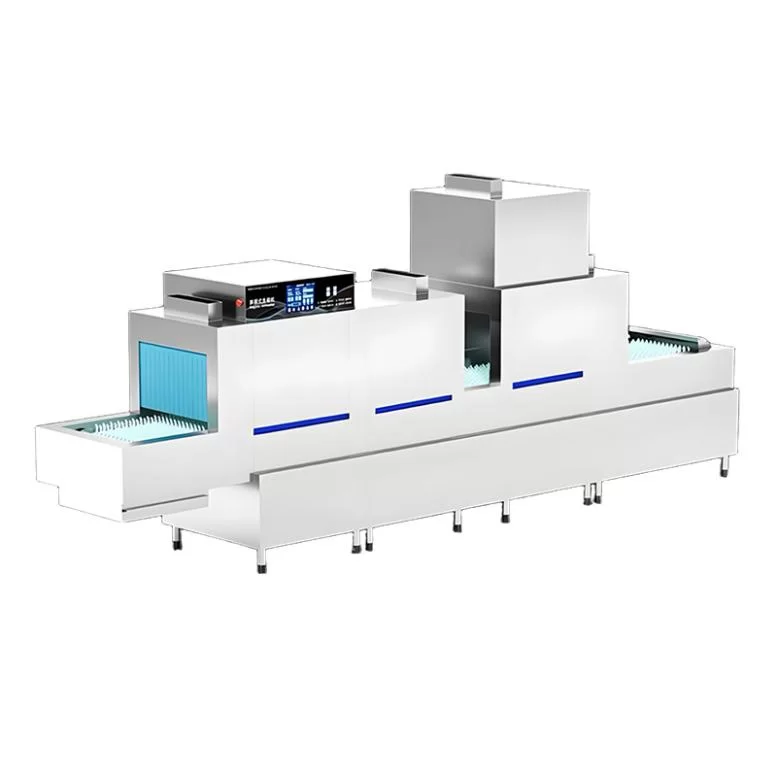
Industrial Planetary Mixing Cooking Machine Solutions for Ecuador

Industrial Planetary Mixing Cooking Machine Solutions for Ecuador

Optimizing food production efficiency across Ecuador with high-precision thermal mixing and automated agitating technology for artisanal and industrial scales.

Industrial Planetary Mixing Cooking Machine Solutions for Ecuador

Empowering Ecuadorian food manufacturers with state-of-the-art Food Automatic Mixers designed to handle high-viscosity ingredients and precise temperature control for superior product consistency.

Current State of Food Processing Equipment in Ecuador

Analyzing the shift from manual labor to automated thermal mixing in the Andean region.

In Ecuador, the food processing sector is characterized by a strong tradition of artisanal production, particularly in the confectionery and sauce industries. However, the diverse geography—ranging from the coast to the highlands—creates challenges in maintaining consistent product quality due to fluctuating ambient temperatures and humidity levels, necessitating the use of a specialized Planetary Mixing Pot to ensure uniform heat distribution.

Current market trends show a significant increase in the demand for export-grade processed foods. Local manufacturers are increasingly replacing traditional open-vat boiling with Automatic Agitating Candy Cooker systems to meet international hygiene standards (HACCP) and reduce the physical strain on labor in regions like Guayaquil and Quito.

Despite the growth, many SMEs still struggle with energy inefficiency and high waste rates. The integration of Fast Food Automation Machine technology is beginning to penetrate the urban fast-casual markets, driving a need for equipment that combines rapid heating with precise planetary mixing to maintain authentic local flavors at a commercial scale.
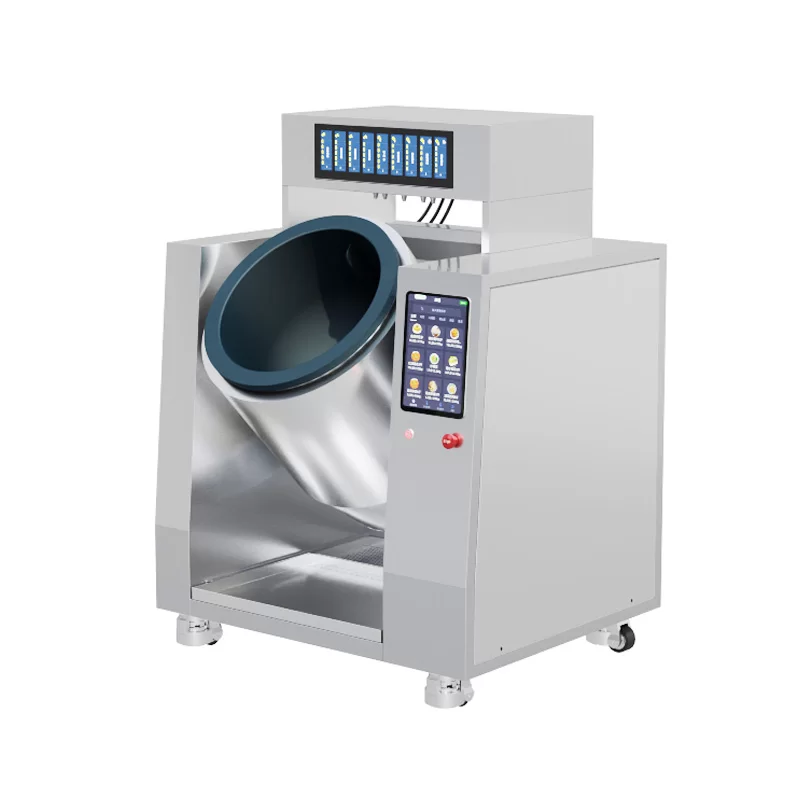
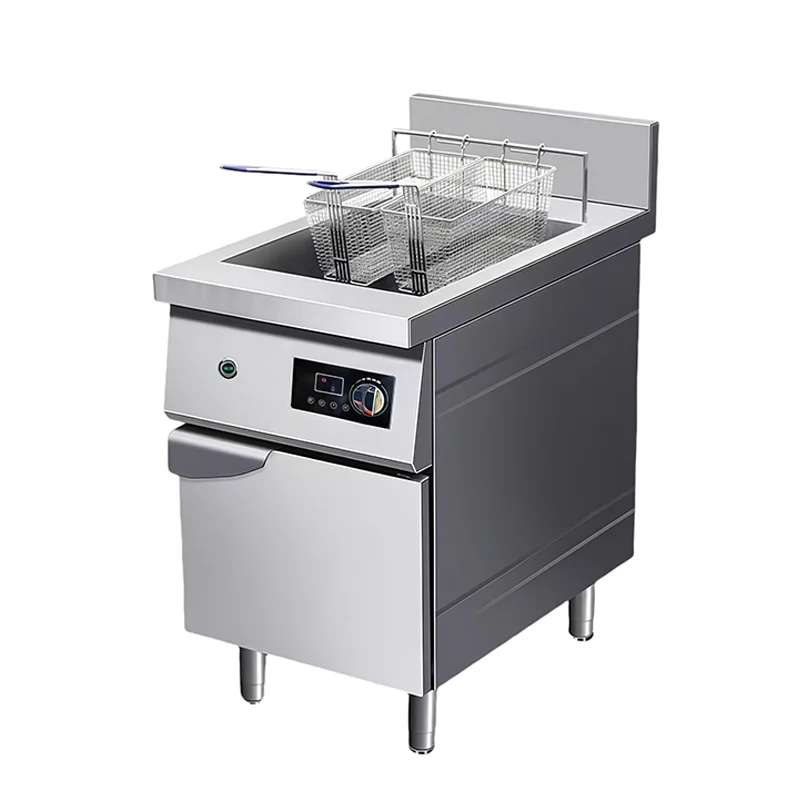
Evolution and Technical Trajectory of Ecuadorian Food Mixing

From manual stirring to intelligent automation: The timeline of production efficiency.

Market Development History

From 1990 to 2010, the Ecuadorian food industry relied heavily on manual agitation and direct-fire heating. Production was labor-intensive, and batch consistency was low, often leading to scorched products in the center of the pot.

Between 2011 and 2020, the introduction of basic steam-jacketed kettles marked the first wave of modernization. Manufacturers began adopting semi-automatic mixers, reducing cooking times and improving the stability of emulsions in sauces and sweets.

Since 2021, the market has transitioned toward full digitalization. The adoption of PLC-controlled Food Automatic Mixers has allowed for precise recipe replication and energy optimization, aligning with the global trend of Industry 4.0.

Future Development Trends

Smart Thermal Integration

Integration of IoT sensors to monitor viscosity and temperature in real-time, allowing machines to adjust mixing speeds automatically based on the thickness of the food product.

Sustainable Energy Transition

A shift toward high-efficiency electric induction heating to replace gas and steam, reducing the carbon footprint of food plants in the Andean region.

Modular Automation Scalability

The rise of modular systems that allow small businesses to start with a single mixing unit and expand into a full Fast Food Automation Machine line as demand grows.

Industry Trends and Future Outlook for Ecuador

Forecasting the next 3-5 years of specialized food equipment evolution.

Precision Thermal Control
Enhanced PID controllers to prevent overheating in sensitive confectionery products.
Hygienic Design (EHEDG)
Increased use of AISI 316L stainless steel to resist corrosion from tropical humidity.
Energy Efficiency
Implementation of heat recovery systems to lower operational costs in large factories.
Labor-Saving Automation
Automated discharge systems to reduce manual lifting of heavy food batches.

Industry Outlook

Google search trends for "automation in food production" within South America indicate a strong pivot toward integrated systems. We expect Ecuadorian producers to move away from standalone machines toward synchronized production lines where a Planetary Mixing Cooking Machine acts as the core processing hub.

Furthermore, the rise of the "healthy food" segment in Quito and Guayaquil will drive demand for equipment that can handle organic, non-GMO ingredients without chemical additives, requiring precise temperature profiles that only advanced automatic mixers can provide.

Localized Application Scenarios in Ecuador

Real-world implementations of thermal mixing technology across diverse food sectors.

01. Artisanal Dulce de Leche Production

Using a Automatic Agitating Candy Cooker to ensure the slow, consistent evaporation of water from milk and sugar, preventing crystallization and achieving the perfect smooth texture required for traditional Ecuadorian sweets.

02. Industrial Sauce and Jam Manufacturing

Implementation of Food Automatic Mixers for processing exotic local fruits like pitahaya and uchuva, ensuring the seeds are evenly distributed and the fruit pectin is activated through controlled heating.

03. Commercial Bakery Cream Fillings

Utilizing a Planetary Mixing Pot to prepare high-viscosity pastry creams and fillings, ensuring an air-free, homogenous mixture that is stable under high-temperature filling processes.

04. Fast Food Sauce Standardization

Integrating a Fast Food Automation Machine into urban franchise kitchens to produce consistent signature sauces in large batches, eliminating human error in measurement and mixing.

05. Specialized Protein-Based Paste Production

Applying planetary mixing technology to create high-protein food pastes for the health-conscious market, ensuring the thorough integration of powdered supplements into liquid bases without clumping.

Brand Story

Global Development Journey of Dongguan Maxson Electronic Co., Ltd.

Foundation and Technical Roots

Established with a focus on precision thermal engineering, we began by solving the most basic problem in food manufacturing: the uneven heating of high-viscosity materials.

Innovation in Planetary Motion

We revolutionized the mixing process by developing advanced planetary gear systems that eliminate "dead zones," ensuring every cubic centimeter of the product is processed.

Global Market Expansion

Expanding beyond Asia, we tailored our equipment to meet the rigorous sanitary standards of Europe and the rugged operational requirements of South American markets.

Digital Transformation Era

Integrating PLC and smart sensors, we transitioned from selling hardware to providing complete "Smart Kitchen" solutions for industrial food plants.

Commitment to Sustainable Production

Our current mission is to reduce the global food industry's energy consumption through high-efficiency induction heating and waste-reducing automation.

Complete Food Automation Portfolio for Ecuador

A comprehensive range of equipment from small-batch artisanal pots to full-scale industrial automation lines.

Frequently Asked Questions for the Ecuadorian Market

Expert answers to common technical and operational queries from local manufacturers.

How does a Planetary Mixing Pot differ from a standard agitator?

Unlike standard agitators that rotate on a single axis, a Planetary Mixing Pot features a dual-rotation system where the blade rotates on its own axis while orbiting the center of the pot, ensuring no dead spots and perfect homogeneity for thick Ecuadorian sauces.

Can Food Automatic Mixers handle high-viscosity candy bases?

Yes, our mixers are equipped with high-torque motors and reinforced gearboxes specifically designed to maintain constant RPM even when the product thickens during the candy-making process.

What is the energy efficiency of a Planetary Mixing Cooking Machine compared to gas?

Our electric induction-based machines offer up to 30% higher energy efficiency than traditional gas burners by transferring heat directly to the pot, reducing heat loss and operating costs.

Is an Automatic Agitating Candy Cooker easy to clean according to local health laws?

Absolutely. All contact surfaces are made of polished stainless steel with seamless welds, making them compatible with CIP (Clean-in-Place) protocols and compliant with Ecuadorian sanitary regulations.

How do I integrate a Fast Food Automation Machine into a small kitchen?

We offer compact, modular versions of our automation machines that fit into standard commercial kitchen layouts, allowing for easy installation without requiring major structural renovations.

What maintenance is required for industrial mixers in humid coastal climates like Guayaquil?

We recommend quarterly lubrication of the planetary gears and checking the electrical seals to prevent humidity ingress, ensuring the machine operates reliably in high-salt coastal environments.

Ready to Automate Your Production?

Our technical experts are ready to help you select the perfect mixing solution tailored for your specific food production needs in Ecuador.

Contact Us Now

If you are interested in our products, you can choose to leave your information here, and we will be in touch with you shortly.