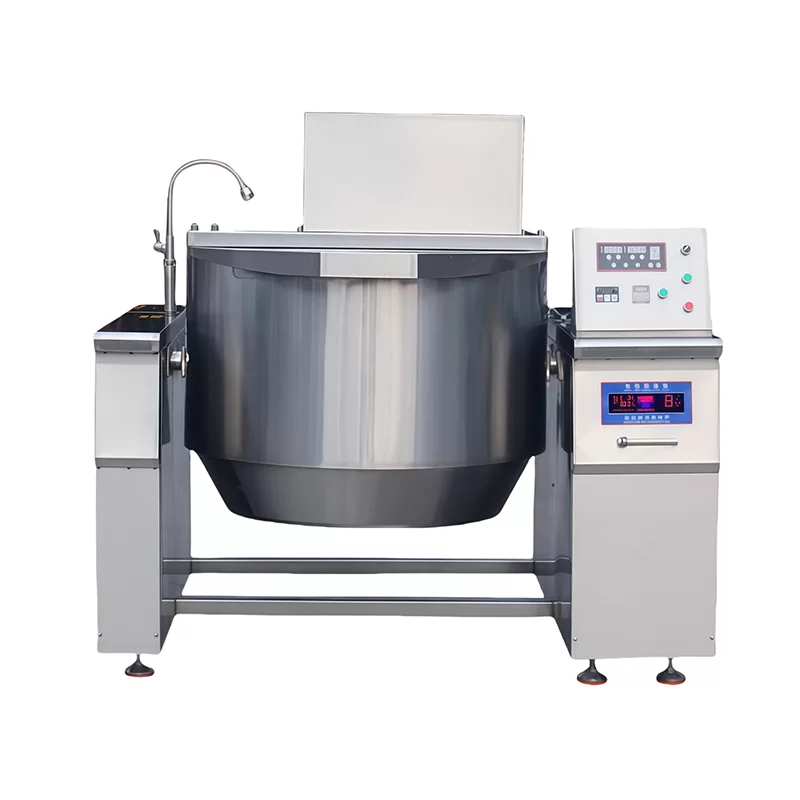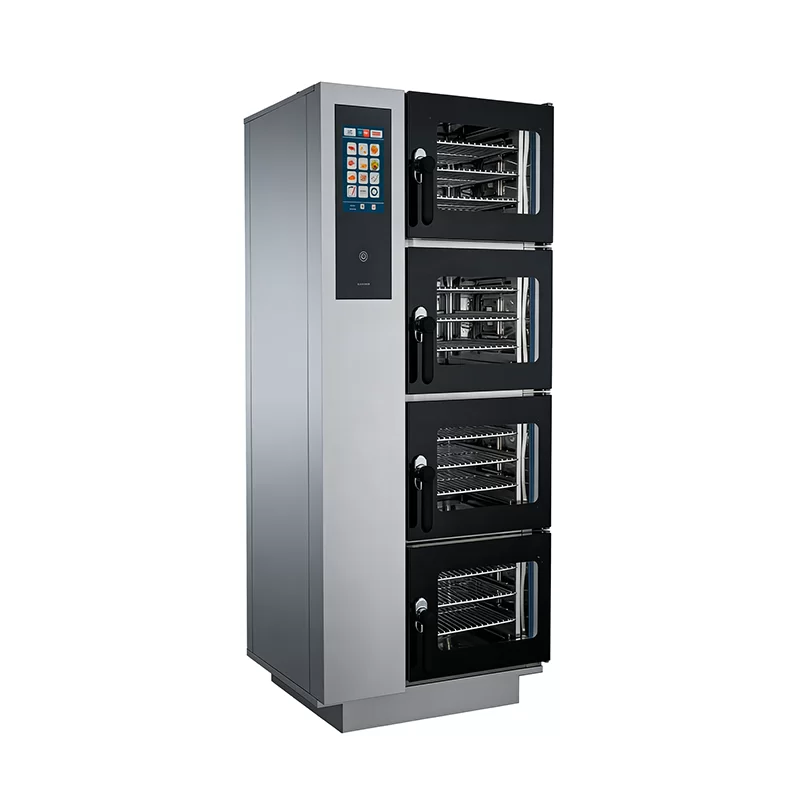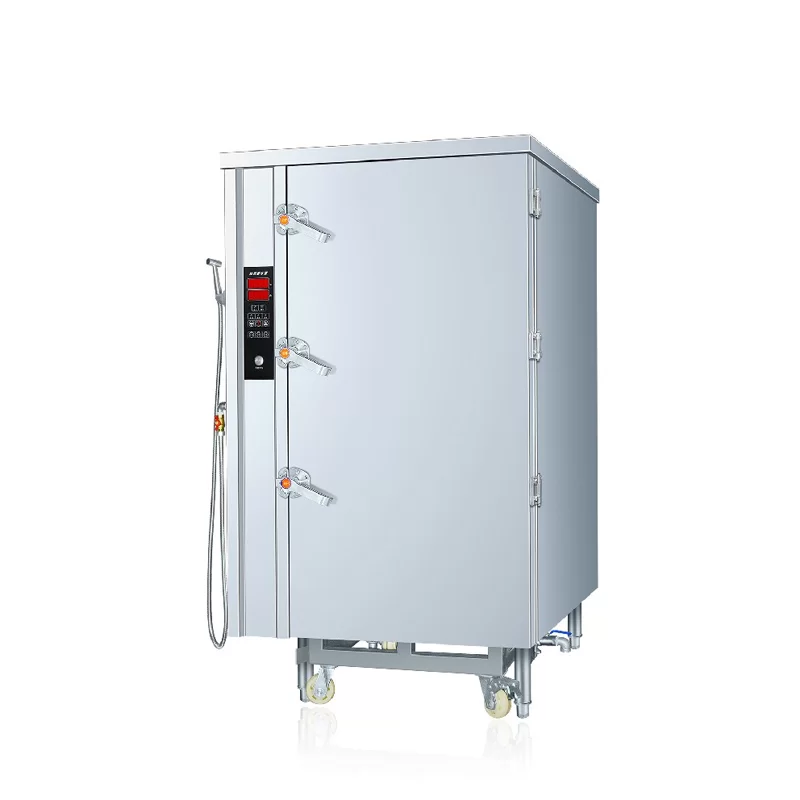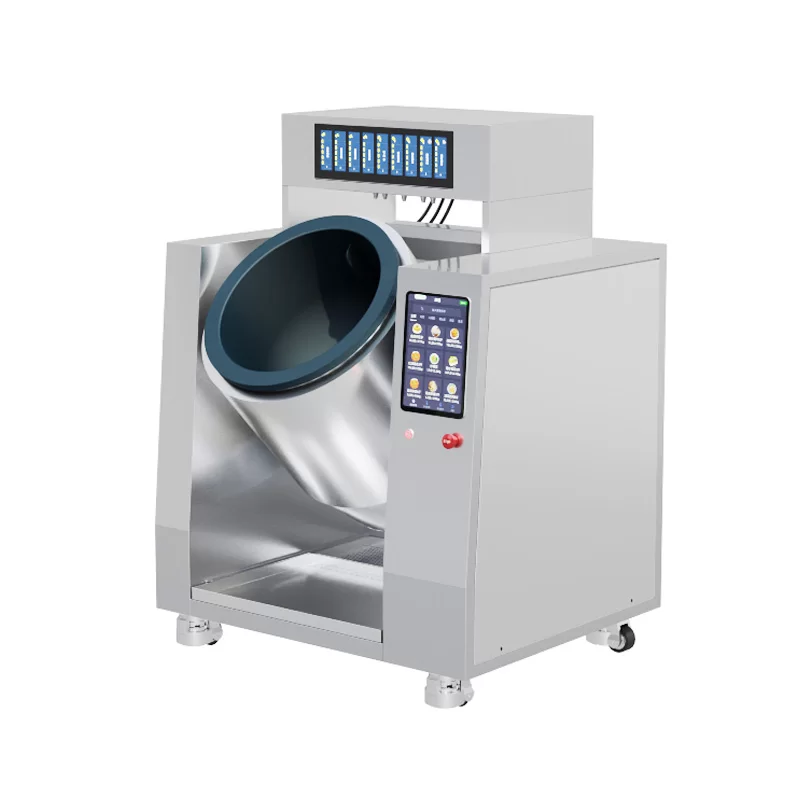
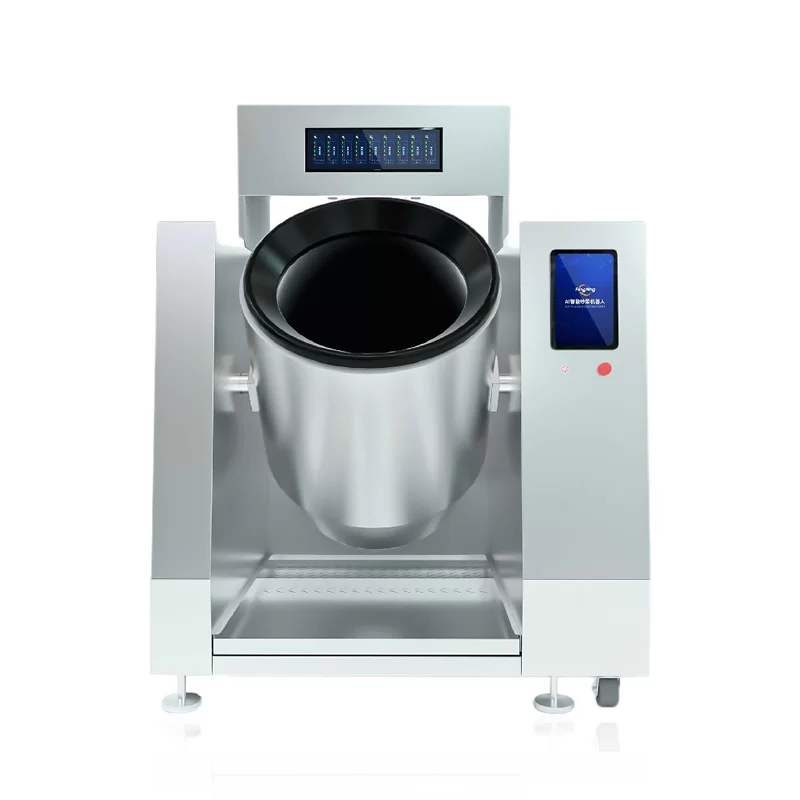
South Korea's food industry is currently undergoing a massive transformation driven by the "K-Food" wave. The demand for standardized, high-quality exports has forced local manufacturers to move away from traditional batch processing. The integration of Food Automatic Mixers is now a priority for companies looking to maintain flavor profiles while scaling output to meet global demands.
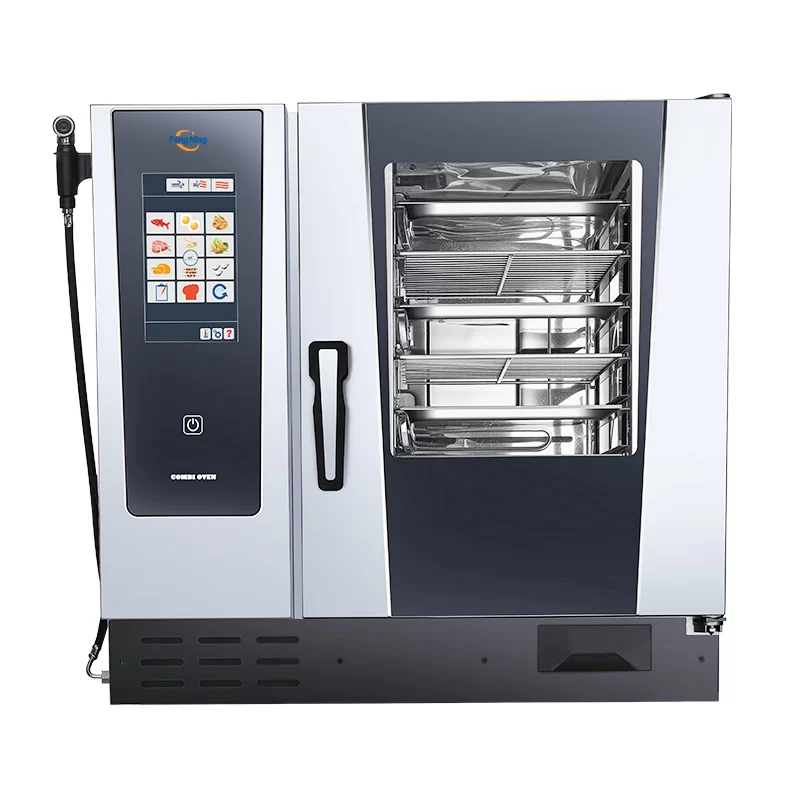
Geographically, the concentration of food hubs around Gyeonggi-do and Chungcheong province creates a competitive environment where labor costs are rising. This economic pressure has accelerated the adoption of Fast Food Automation Machine technology, reducing reliance on manual stirring and heating in semi-industrial kitchens and large-scale factories.
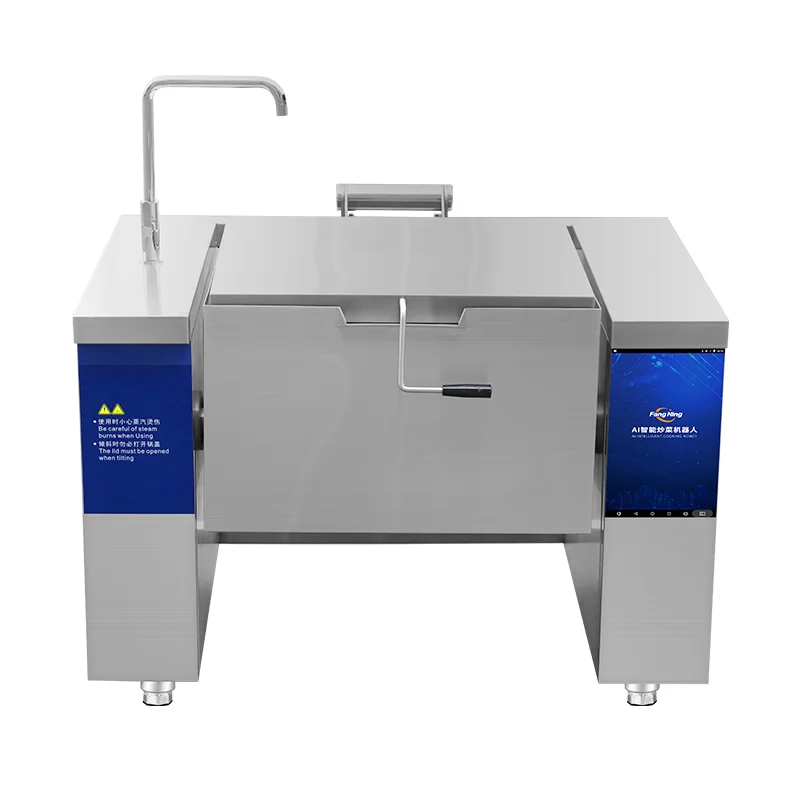
Furthermore, the South Korean market is characterized by strict hygiene regulations and a preference for high-grade stainless steel. Modern facilities are increasingly replacing antiquated boilers with precision-controlled Planetary Mixing Pot systems that offer exact temperature control to prevent scorching in high-viscosity sauces and traditional pastes.