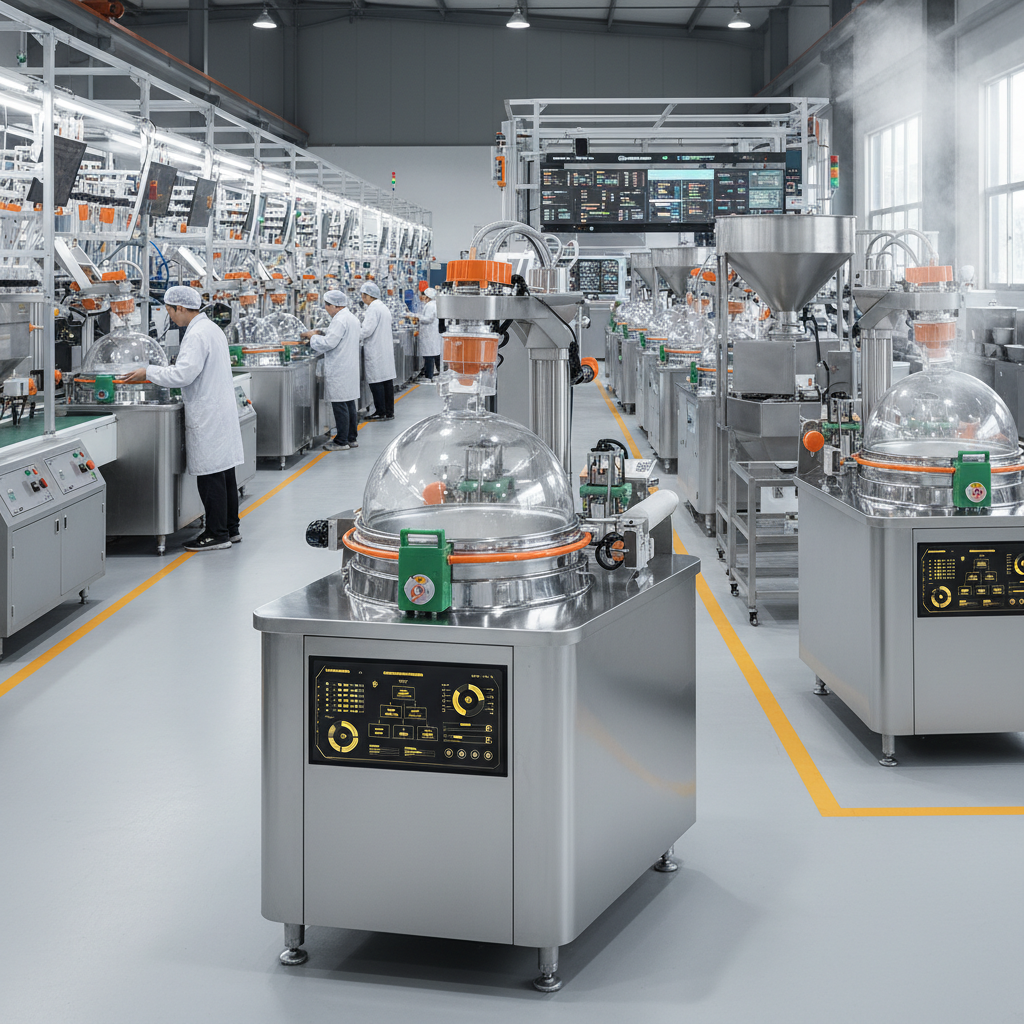
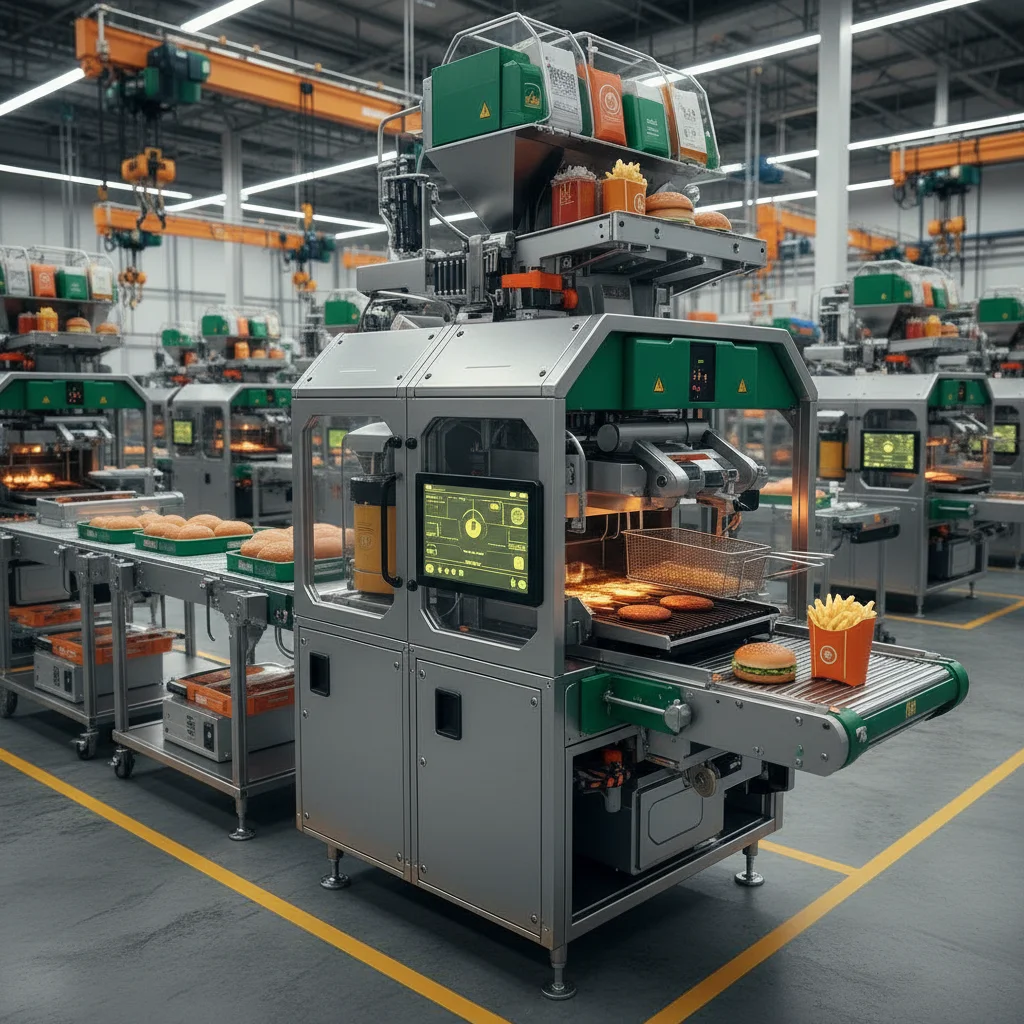
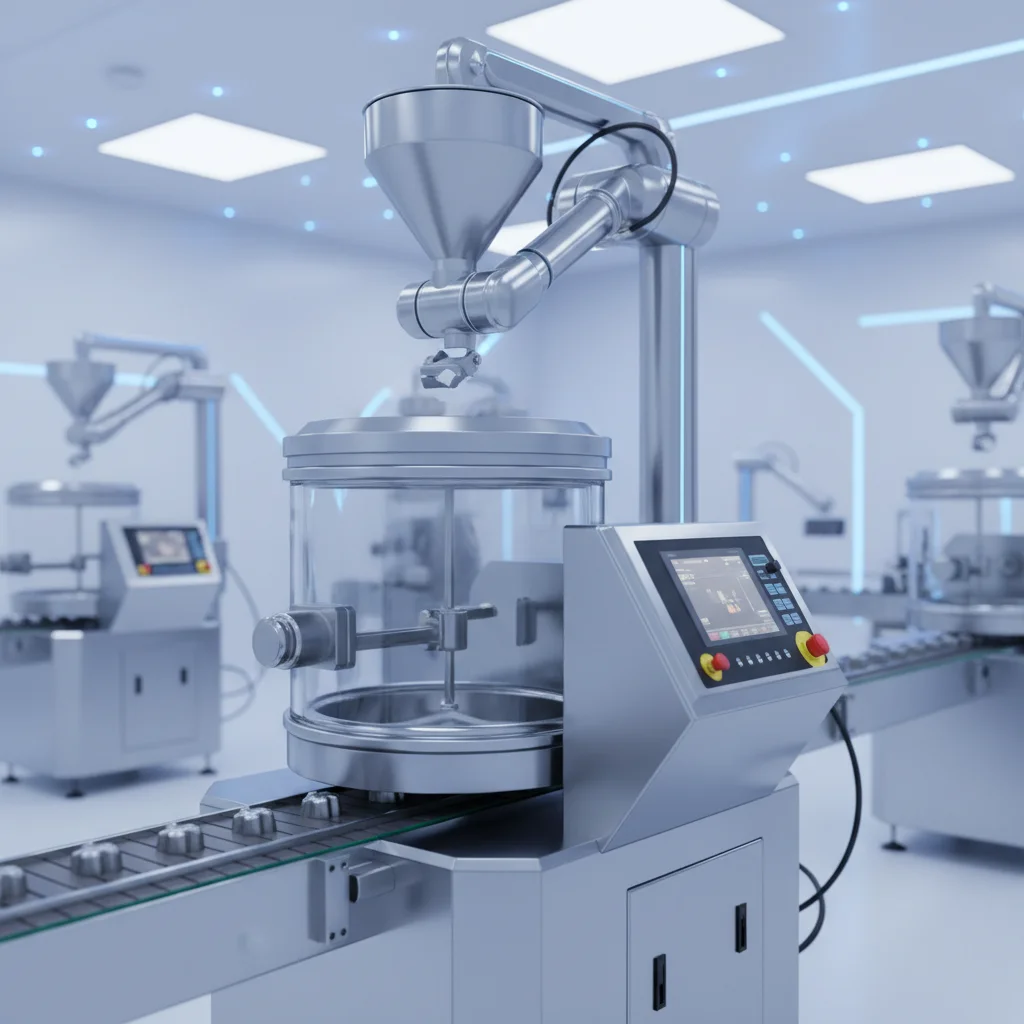
The culinary landscape is undergoing a seismic shift as automation merges with traditional gastronomy, leading to the rise of the Al Intelligent Stir-fry Machine. This innovation is not merely about replacing a chef's arm with a robotic one; it is about the precise orchestration of heat, motion, and timing to ensure consistent quality at scale. For commercial kitchens and food processing plants, this technology represents a bridge between artisanal taste and industrial efficiency.
Across the globe, the demand for high-quality, ready-to-eat Asian cuisine is surging, yet the industry faces a critical shortage of skilled wok chefs. The Al Intelligent Stir-fry Machine addresses this talent gap by digitizing "wok hei"—the breath of the wok—allowing businesses to replicate complex stir-fry techniques without relying on a dwindling pool of specialized labor.
Integrating AI-driven thermal control and automated ingredient dispensing, these machines are transforming how we perceive food production. By understanding the synergy between software and stainless steel, operators can reduce waste, lower operational costs, and ensure that every single dish served is identical in flavor and texture, regardless of who is pressing the start button.
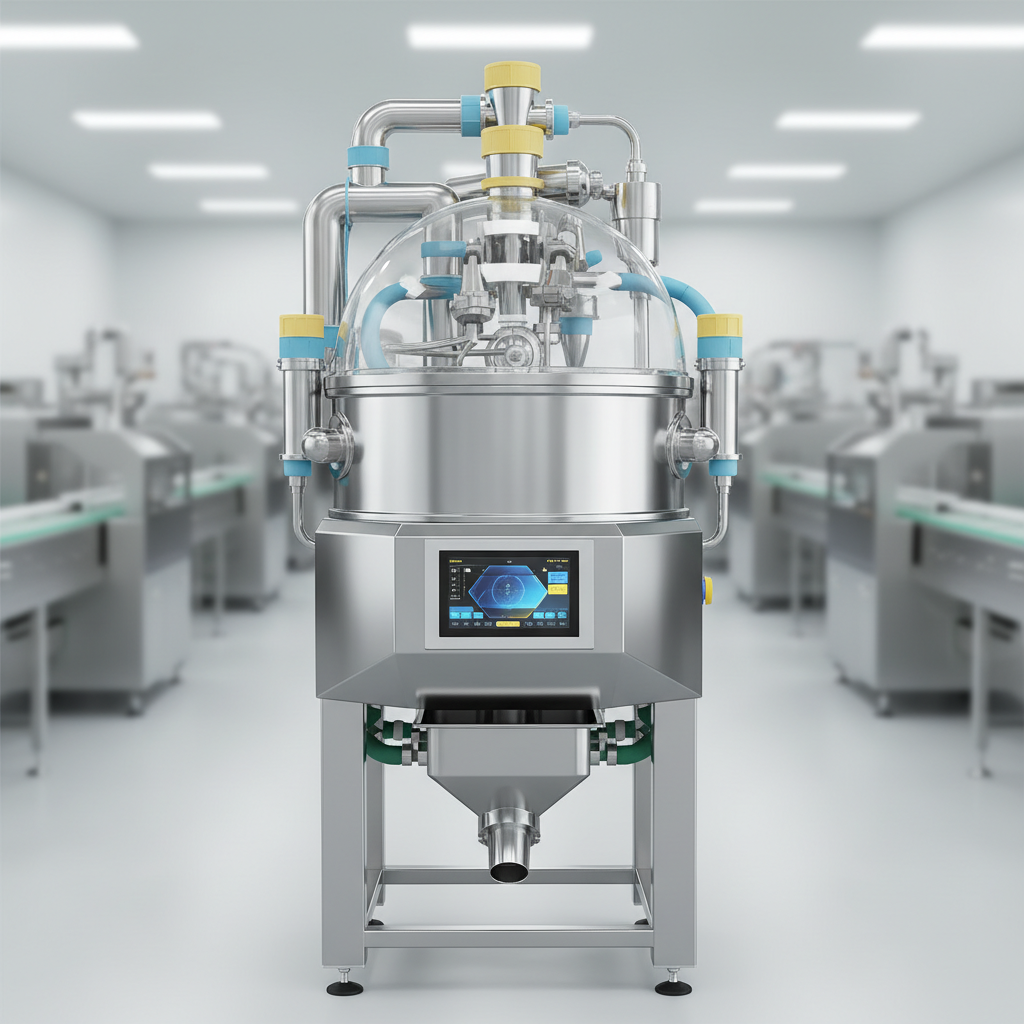
The Global Impact of Al Intelligent Stir-fry Machine Technology
The global food service industry is currently grappling with rising labor costs and an unprecedented demand for speed. Data from international food hospitality reports suggest that operational overhead in commercial kitchens has increased by nearly 20% over the last five years. The Al Intelligent Stir-fry Machine emerges as a strategic solution, utilizing robotic precision to handle the most labor-intensive part of the kitchen, thereby stabilizing production costs and mitigating the risk of human error.
Beyond labor, the environmental impact of traditional high-heat cooking is significant. By optimizing heat transfer and reducing energy leakage through intelligent sensors, the Al Intelligent Stir-fry Machine aligns with ISO sustainability goals. It allows large-scale catering services to reduce their carbon footprint while maintaining the authentic high-temperature searing required for premium stir-fry dishes, making it a cornerstone of the "Green Kitchen" movement.
Defining the Al Intelligent Stir-fry Machine in Modern Kitchens
At its core, an Al Intelligent Stir-fry Machine is a sophisticated piece of food processing equipment that integrates Artificial Intelligence, PLC (Programmable Logic Controllers), and high-grade mechanical engineering to automate the stir-frying process. Unlike simple rotating drums, these machines use AI to analyze ingredient moisture and volume, adjusting the cooking temperature and stirring frequency in real-time to achieve the perfect sear.
This technology connects the traditional art of Chinese wok cooking with the demands of the Fourth Industrial Revolution (Industry 4.0). By translating a chef's intuition into a set of digital algorithms, the machine can execute precise "tossing" motions and heat spikes. This ensures that the Maillard reaction—which gives stir-fry its characteristic flavor—occurs uniformly across all ingredients, regardless of the batch size.
From a humanitarian and social perspective, these machines empower small business owners and entrepreneurs who may lack the capital to hire a team of master chefs but wish to provide high-quality, nutritious meals to their communities. It democratizes professional-grade cooking, ensuring that consistency and hygiene are maintained at a standard that meets international food safety regulations.
Core Components and Engineering Excellence
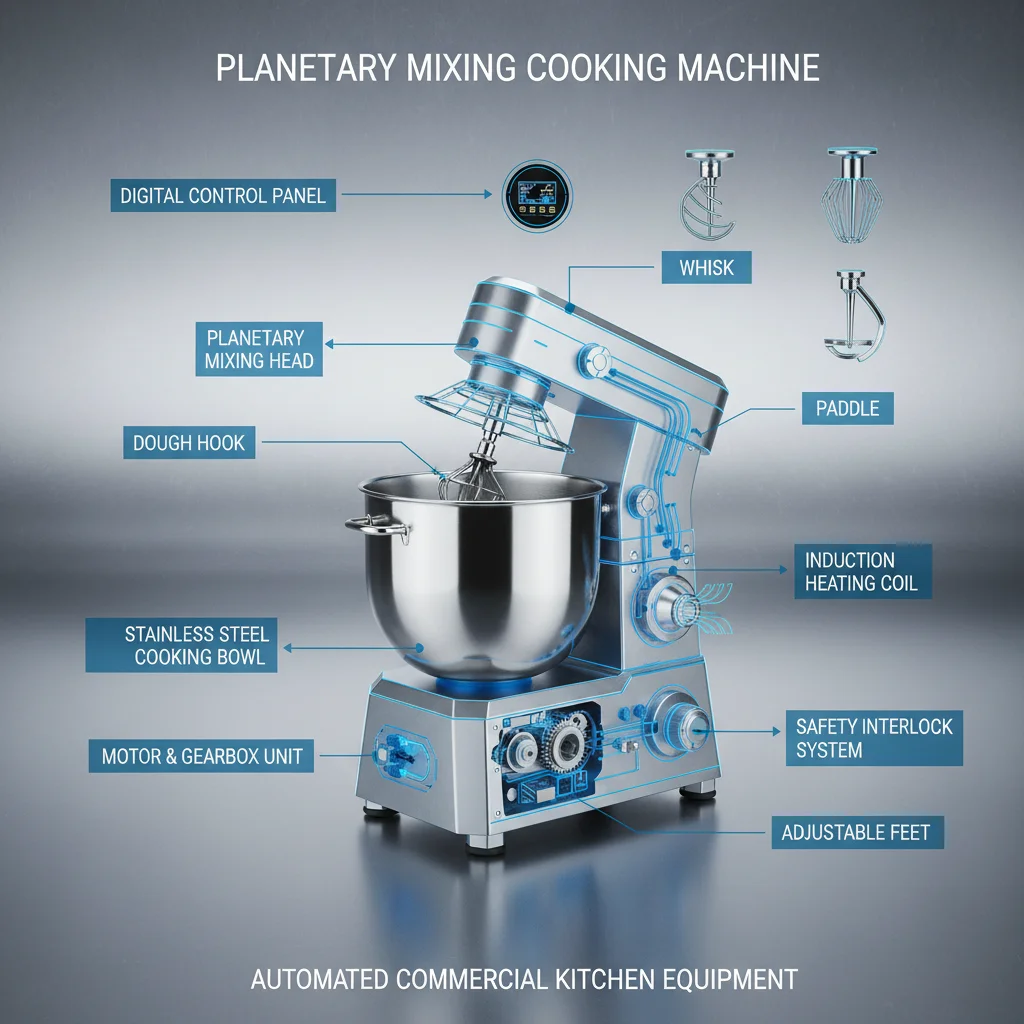
The durability of an Al Intelligent Stir-fry Machine starts with its material composition. Using food-grade 304 or 316 stainless steel, these machines are built to withstand the corrosive nature of salts and sauces while enduring the extreme thermal expansion and contraction cycles inherent in high-heat stir-frying.
Central to its intelligence is the AI-driven thermal sensor array. The Al Intelligent Stir-fry Machine monitors the temperature of the wok surface and the internal core of the food simultaneously. This prevents overcooking and ensures that delicate vegetables remain crisp while proteins are thoroughly seared, a balance that typically requires years of human experience to master.
Scalability is achieved through modular software design. Users can upload custom "recipe profiles" into the Al Intelligent Stir-fry Machine, allowing a single operator to switch from a spicy Szechuan beef to a mild vegetable medley with a single touch. This flexibility makes the equipment indispensable for diversified menus in large gravity kitchens and commercial food courts.
Comparative Performance and Efficiency Metrics
When evaluating the operational efficiency of an Al Intelligent Stir-fry Machine, the most striking metric is the reduction in "waste-per-plate." Manual cooking often leads to inconsistent results—some batches are burnt, while others are undercooked. The AI's precision eliminates this variance, resulting in a significant increase in yield and a decrease in food waste.
Furthermore, the energy efficiency of these machines far exceeds traditional gas burners. By utilizing induction heating or optimized electric elements paired with AI power management, the machine only uses the exact amount of energy required for the specific volume of food being processed.
Performance Analysis of Al Intelligent Stir-fry Machine Variants
Global Applications and Industry Use Cases
The versatility of the Al Intelligent Stir-fry Machine makes it applicable across diverse sectors. In high-traffic urban hubs like Tokyo, New York, and Shanghai, quick-service restaurants (QSRs) utilize these machines to maintain a throughput of hundreds of dishes per hour without compromising the authentic taste that customers expect from a wok-fried meal.
In more challenging environments, such as remote industrial zones or corporate campuses with massive employee populations, these machines provide a reliable way to serve hot, fresh, and balanced meals. Even in post-disaster relief operations where temporary kitchens are deployed, modular versions of these automated stir-fryers can be used to quickly produce large quantities of nutrient-dense food with minimal staffing.
Long-term Value and Sustainable Advantages
Investing in an Al Intelligent Stir-fry Machine is a strategic move toward operational sustainability. Beyond the immediate reduction in labor costs, the long-term value lies in brand trust. Customers value consistency; knowing that a dish will taste exactly the same on Tuesday as it did on Friday builds immense consumer loyalty.
From a safety perspective, the automation of high-heat processes significantly reduces the risk of kitchen accidents, such as oil splashes or grease fires, which are common in manual wok cooking. This not only ensures the dignity and safety of the kitchen staff but also lowers insurance premiums for the business owner.
Furthermore, the ability to precisely control oil usage contributes to healthier food production. The Al Intelligent Stir-fry Machine can be programmed to use the minimum amount of fat required for searing, allowing businesses to market their offerings as "healthier alternatives" without sacrificing the traditional flavor profile.
Future Innovations and Digital Transformation
The roadmap for the Al Intelligent Stir-fry Machine points toward full cloud integration. Future iterations will likely feature "Global Recipe Sync," where a head chef in a central headquarters can push a new recipe update to thousands of machines across different continents instantly, ensuring absolute global brand uniformity.
We are also seeing a trend toward the integration of IoT (Internet of Things) for predictive maintenance. Instead of waiting for a component to fail, the machine will analyze its own vibration and heat patterns to alert the operator when a part needs replacing, effectively eliminating unplanned downtime in a busy commercial kitchen.
As green energy becomes the global standard, we expect these machines to integrate with smart grids, optimizing their energy consumption based on the time of day and electricity costs. The transition from simple automation to a fully cognitive food-production ecosystem is well underway.
Comparative Analysis of AI Stir-fry Technology Implementation
| Implementation Tier |
Automation Level |
Consistency Score |
ROI Period |
| Entry-Level Auto |
Basic Timer/Rotation |
6/10 |
12 Months |
| Professional AI |
Sensor-Based Control |
8/10 |
18 Months |
| Enterprise Smart |
Full Cloud Integration |
10/10 |
24 Months |
| Customized Industrial |
Bespoke Logic Controllers |
9/10 |
30 Months |
| Hybrid-Manual |
AI-Assisted Stirring |
7/10 |
14 Months |
| Eco-Focus Series |
Energy-Optimized AI |
8/10 |
20 Months |
FAQS
Yes. Wok Hei is essentially the result of specific chemical reactions at very high temperatures. The Al Intelligent Stir-fry Machine uses high-precision thermal sensors and robotic tossing motions to replicate these exact conditions. By controlling the temperature spikes and the aeration of the food, it achieves the same smoky, charred flavor profile as a master chef.
It is designed for ease of use. Most machines feature a user-friendly touch interface where operators can adjust variables like stir-fry time, heat intensity, and ingredient sequence. For larger operations, recipes can be created by a head chef on a computer and uploaded via USB or Cloud, making deployment across multiple sites instantaneous.
Absolutely. Built with industrial-grade stainless steel and heavy-duty motors, these machines are engineered for continuous operation. The AI systems also include overheating protection and automated cleaning cycles that minimize downtime, making them ideal for 24-hour catering services or large-scale food processing plants.
While the AI handles the complex cooking logic, basic training is required for loading ingredients and maintenance. However, because the "intelligence" is embedded in the software, the machine reduces the need for highly skilled labor. A general kitchen staff member can operate the machine to a professional standard after just a few hours of orientation.
While the initial investment is higher than a traditional wok, the Al Intelligent Stir-fry Machine significantly lowers long-term costs. It reduces labor expenses, minimizes ingredient waste through precision cooking, and lowers energy consumption. Most businesses see a full return on investment within 12 to 24 months.
Yes, food safety is a priority. The seamless stainless steel construction prevents food trapping, and most models feature automated cleaning modes that use high-pressure steam or water to sanitize the wok. This ensures compliance with strict health department regulations and reduces the manual labor involved in kitchen cleanup.
Conclusion
The integration of the Al Intelligent Stir-fry Machine into the professional kitchen is more than a technological upgrade; it is a necessary evolution. By solving the dual challenges of labor shortages and quality inconsistency, this technology allows culinary businesses to scale without losing the soul of their dishes. From the precision of AI-driven heat control to the durability of industrial engineering, these machines provide a sustainable path forward for the food service industry.
Looking ahead, the synergy between AI and food production will only deepen, leading to kitchens that are more efficient, safer, and more inclusive. For any business aiming to lead in the competitive landscape of commercial catering, embracing this digital transformation is no longer optional—it is the key to future-proofing your operations. Explore the future of automated cooking today. Visit our website: www.smartfoodheat.com