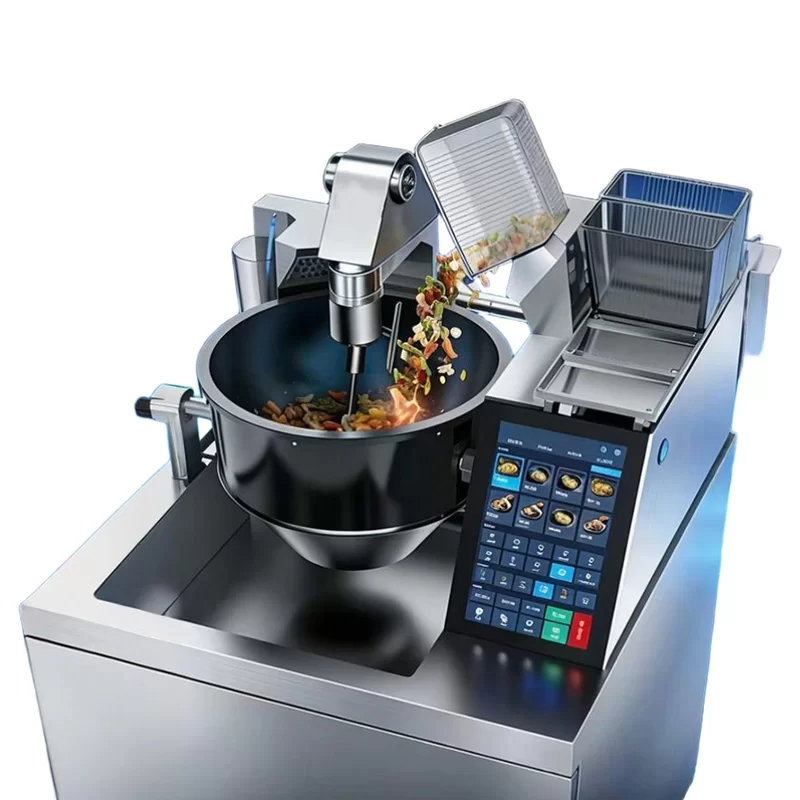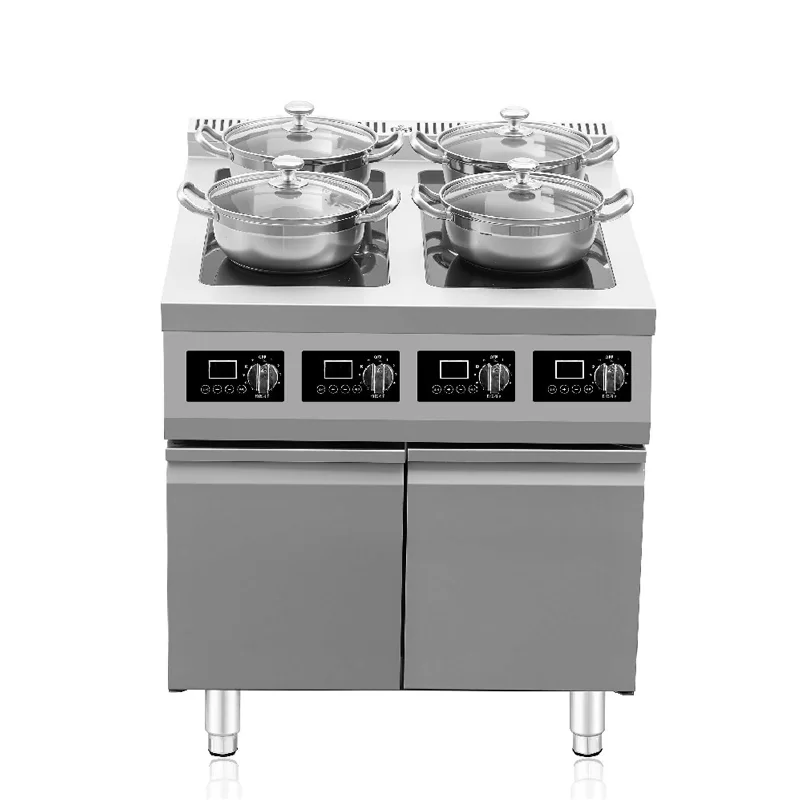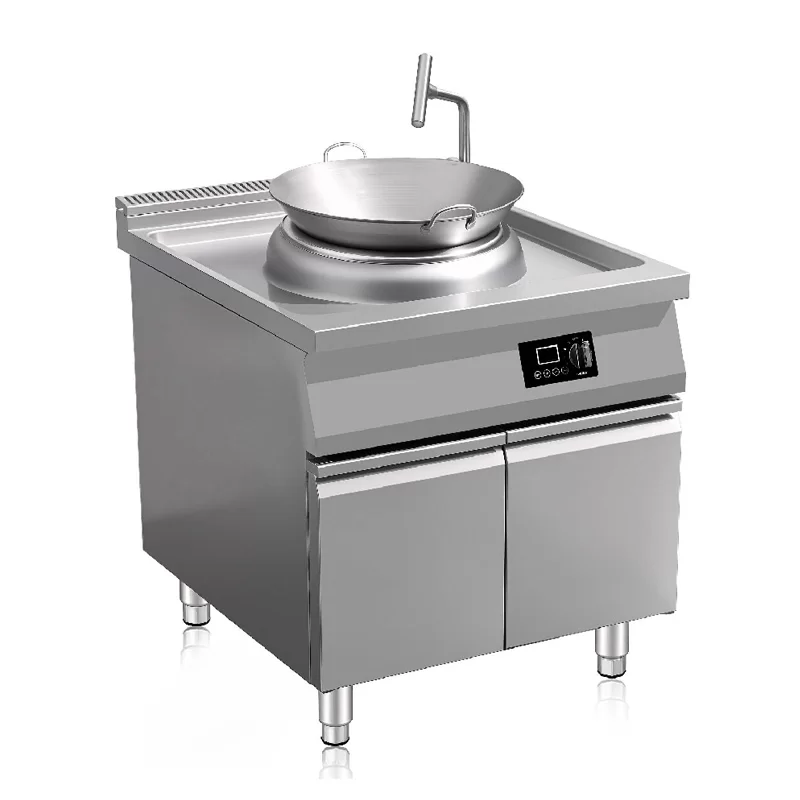
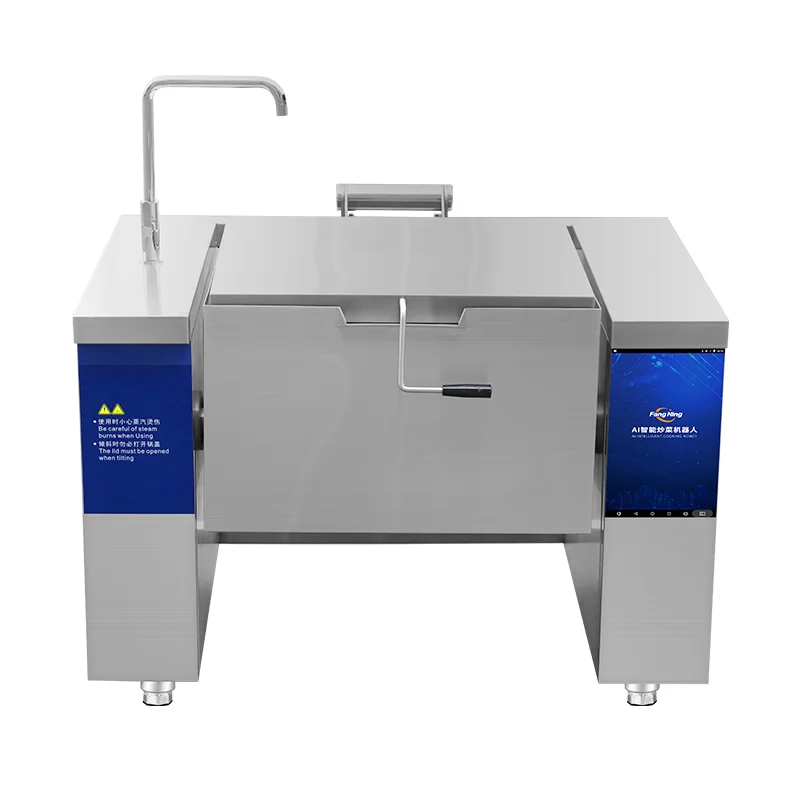
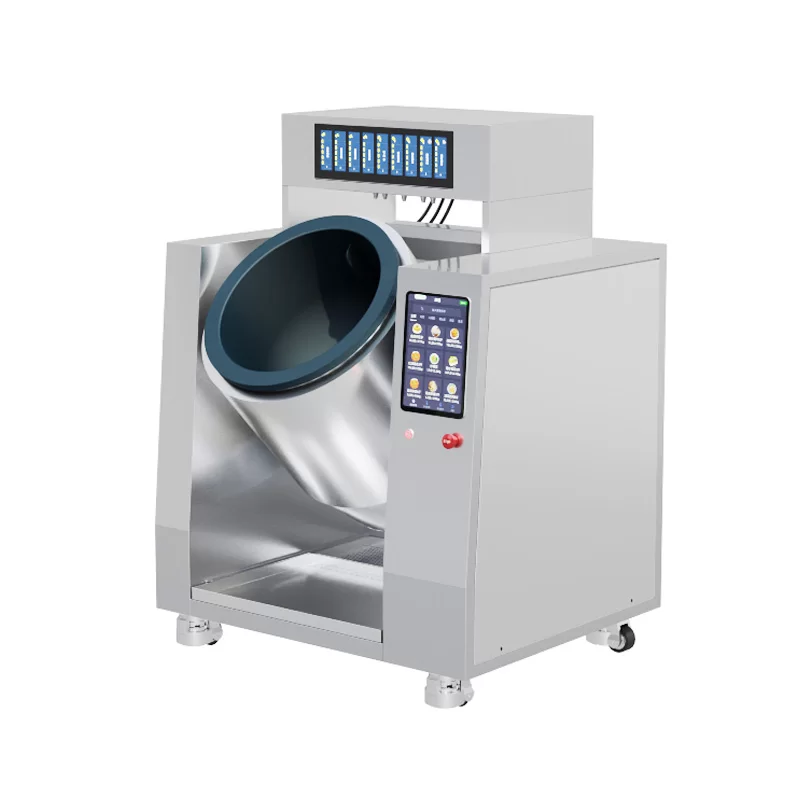
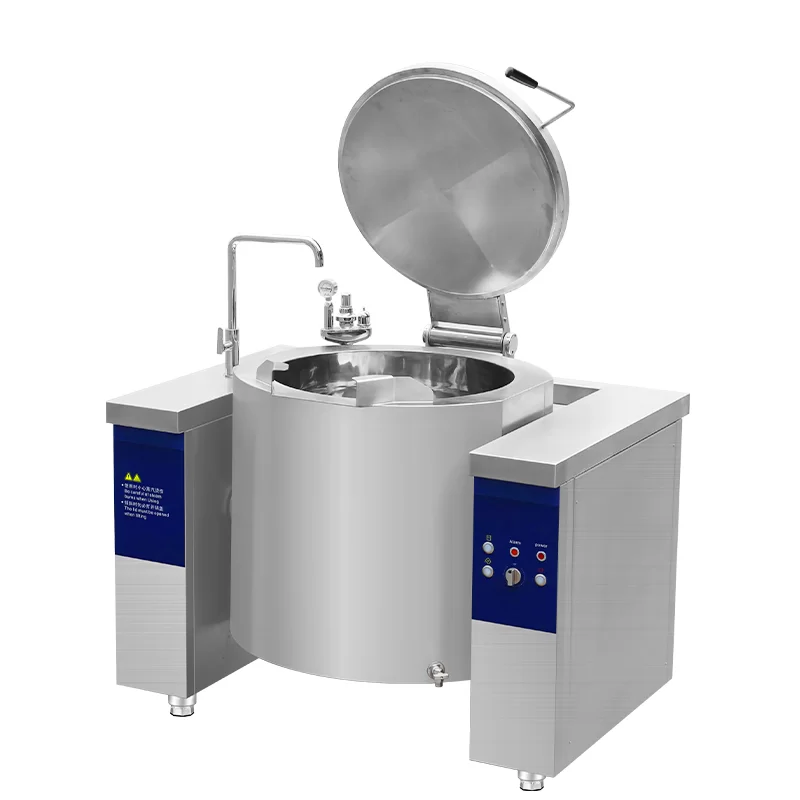
Advanced Planetary Mixing Cooking Machine Solutions for Canada’s Food Industry
  • Home
  • Global Service
  • Advanced Planetary Mixing Cooking Machine Solutions for Canada’s Food Industry

Advanced Planetary Mixing Cooking Machine Solutions for Canada's Food Industry

Precision thermal processing and automated mixing engineered to meet Canadian food safety standards and high-volume production demands.

Advanced Planetary Mixing Cooking Machine Solutions for Canada's Food Industry

Integrating cutting-edge thermal dynamics with planetary agitation to ensure uniform heat distribution and texture consistency for the Canadian food processing market.

The State of Food Processing Equipment in Canada

Navigating the balance between artisanal quality and industrial efficiency in the Great White North.

In Canada, the food manufacturing sector is currently facing a critical pivot point. With rising labor costs in provinces like Ontario and British Columbia, the demand for Food Automatic Mixers has surged. Manufacturers are moving away from manual batching to avoid the inconsistencies caused by human error and the volatility of local labor markets.

Geographically, the extreme temperature variances across Canada demand equipment with superior thermal insulation and precise control. Whether it's processing maple syrups in Quebec or specialty condiments in the Prairies, the industry requires a Planetary Mixing Pot that can maintain exact temperature gradients regardless of external ambient conditions.

Furthermore, stringent CFIA (Canadian Food Inspection Agency) regulations regarding sanitation have pushed the industry toward fully stainless steel, automated systems. The adoption of Fast Food Automation Machine technology is no longer a luxury but a necessity for maintaining the hygiene standards required for export-grade food production.
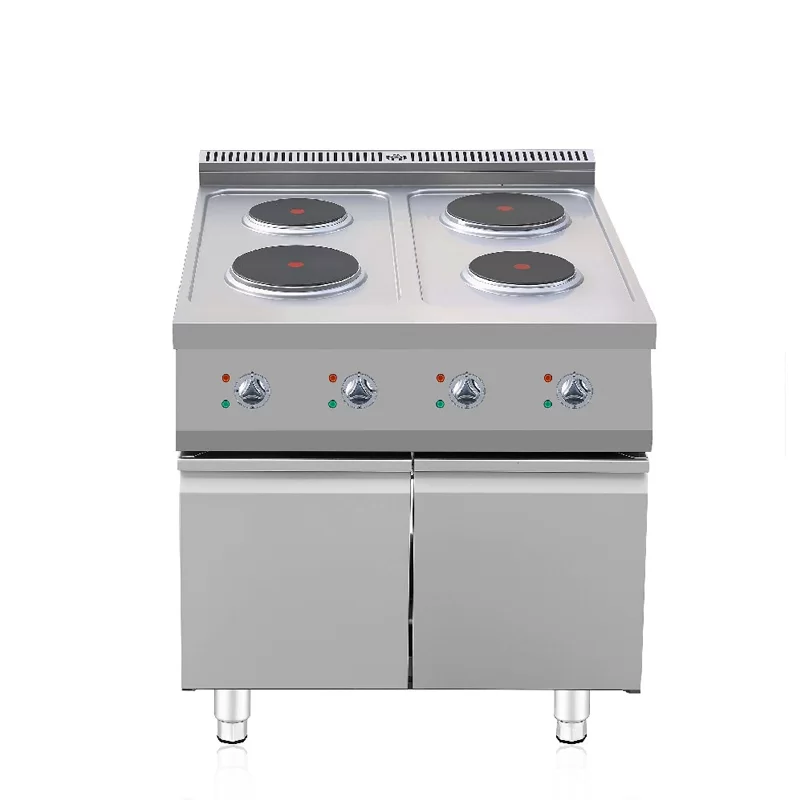
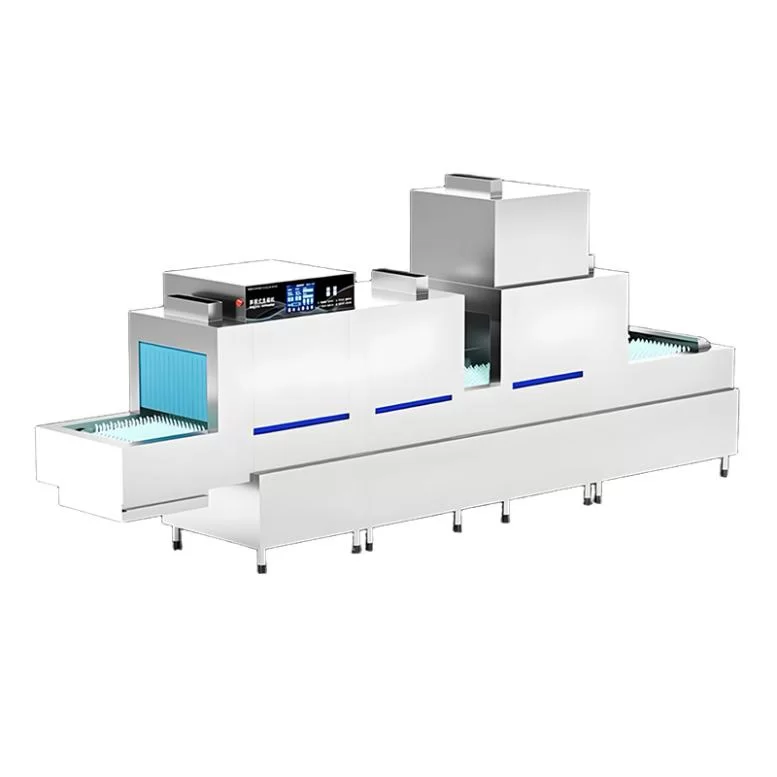
Evolution and Technical Trajectory of Mixing Technology

From manual stirred kettles to AI-driven planetary agitation systems.

Market Development History

Prior to 2010, the Canadian food sector relied heavily on simple jacketed kettles with basic agitators. These systems often suffered from "hot spots," leading to product scorching, especially in high-viscosity confectionery and sauce production.

Between 2010 and 2020, the introduction of planetary gearing revolutionized the process. The shift to a Planetary Mixing Cooking Machine allowed blades to traverse the entire surface of the pot, eliminating dead zones and reducing cooking times by up to 30%.

Since 2021, the integration of PLC (Programmable Logic Controllers) and IoT sensors has enabled "recipe memory." This ensures that a batch produced in Halifax is identical to one produced in Vancouver, bringing unprecedented standardization to Canadian food brands.

Future Development Trends

Smart Viscosity Sensing

Future systems will utilize real-time torque monitoring to automatically adjust rotation speeds based on the thickness of the food, optimizing energy consumption.

Hybrid Heating Systems

A move toward combining induction heating with traditional steam jackets to provide near-instantaneous temperature response for sensitive ingredients.

Modular Automation Integration

The transition toward "plug-and-play" modules where an Automatic Agitating Candy Cooker can be seamlessly integrated into a wider automated conveyor line.

Industry Trends & Future Outlook

Analyzing the convergence of digitalization and sustainable food manufacturing.

Carbon-Neutral Heating
Shift toward electric-based induction heating to align with Canada's 2050 net-zero emissions targets.
Hyper-Automation
Integration of AI for predictive maintenance, reducing unplanned downtime in high-capacity food plants.
Precision Nutrition
Hardware capabilities that allow for micro-batching of customized, nutrient-dense food products.
Clean-In-Place (CIP) 2.0
Advanced self-cleaning cycles that reduce water usage and chemical waste in Canadian facilities.

Industry Outlook

Google search trends indicate a significant rise in queries for "automated food production" and "energy-efficient cooking machinery" within the North American market. This suggests that Canadian food processors are prioritizing operational cost reduction over simple capacity expansion.

We predict that over the next 3-5 years, the market will shift toward "intelligent mixing," where machines communicate with warehouse management systems to automate the entire workflow from ingredient intake to final packaging.

Localized Application Scenarios in Canada

Real-world deployments of high-efficiency mixing technology across various Canadian food sectors.

01. Quebec Maple Syrup & Jam Production

Utilizing an Automatic Agitating Candy Cooker to ensure precise sugar crystallization and smooth texture for traditional maple-based preserves during peak harvest seasons.

02. Ontario Industrial Sauce Manufacturing

Deploying high-capacity Food Automatic Mixers to handle thick condiments, ensuring that spices are uniformly distributed without compromising the emulsion stability.

03. BC Organic Vegan Protein Processing

Applying a Planetary Mixing Cooking Machine for the precise heating of plant-based proteins, maintaining nutrient integrity through controlled thermal zones.

04. Alberta Commercial Bakery Scaling

Integrating Fast Food Automation Machine components to automate the preparation of fillings and glazes, reducing manual labor by 60% per shift.

05. Nova Scotia Seafood Bisque Production

Using a Planetary Mixing Pot to blend delicate seafood creams, avoiding over-shearing of ingredients while achieving a perfectly homogeneous consistency.

Brand Story

Global Development Journey of Dongguan Maxisen Electronic Co., Ltd.

Engineering Foundations

Founded on the principle of thermal precision, we began by solving the most basic problem in food manufacturing: uneven heat distribution in large-scale mixing.

Technological Breakthrough

We developed a proprietary planetary gear system that redefined how viscous materials are agitated, eliminating burnt residues and increasing yield.

Global Expansion

Recognizing the need for automation in North America, we adapted our designs to meet UL and CSA standards, enabling seamless integration into Canadian plants.

Commitment to Quality

Our mission is to empower food producers with equipment that balances artisanal quality with industrial speed, reducing waste and operational costs.

The Future of Food Tech

Today, we lead the way in intelligent food processing, integrating AI and sustainable heating to feed the world more efficiently.

Comprehensive Equipment Portfolio for the Canadian Market

High-performance mixing and cooking solutions tailored for diverse food production scales.

Canadian Food Equipment FAQ

Expert answers to technical questions regarding planetary mixing and automation.

How does a Planetary Mixing Pot prevent scorching in high-sugar recipes?

Unlike traditional mixers, the planetary action ensures the blades rotate on their own axis while orbiting the center, constantly scraping the walls and ensuring no product stays in contact with the heating surface for too long.

Are Food Automatic Mixers compliant with CFIA sanitation standards?

Yes, our mixers are constructed from high-grade 304 or 316 stainless steel with polished finishes, eliminating crevices where bacteria can grow and supporting easy CIP (Clean-In-Place) protocols.

What is the power requirement for a Planetary Mixing Cooking Machine in Canada?

We provide custom electrical configurations to match Canadian voltage and frequency standards (60Hz), including options for three-phase power to handle heavy-duty industrial loads.

Can an Automatic Agitating Candy Cooker handle extremely high viscosity?

Absolutely. Our agitators are powered by high-torque gearboxes specifically designed for heavy syrups, caramels, and nut butters, maintaining constant speed regardless of the product's resistance.

How does a Fast Food Automation Machine reduce labor costs?

By automating the mixing, heating, and discharging phases, these machines allow a single operator to manage multiple batches simultaneously, drastically reducing the manpower required for prep work.

What maintenance is required for planetary agitation systems?

Maintenance primarily involves periodic lubrication of the gear assembly and inspection of the scrapers to ensure maximum efficiency and longevity of the motor.

Ready to Automate Your Production?

Contact our engineering team today for a customized mixing solution tailored to the specific food safety and production requirements of Canada.

Contact Us Now

If you are interested in our products, you can choose to leave your information here, and we will be in touch with you shortly.