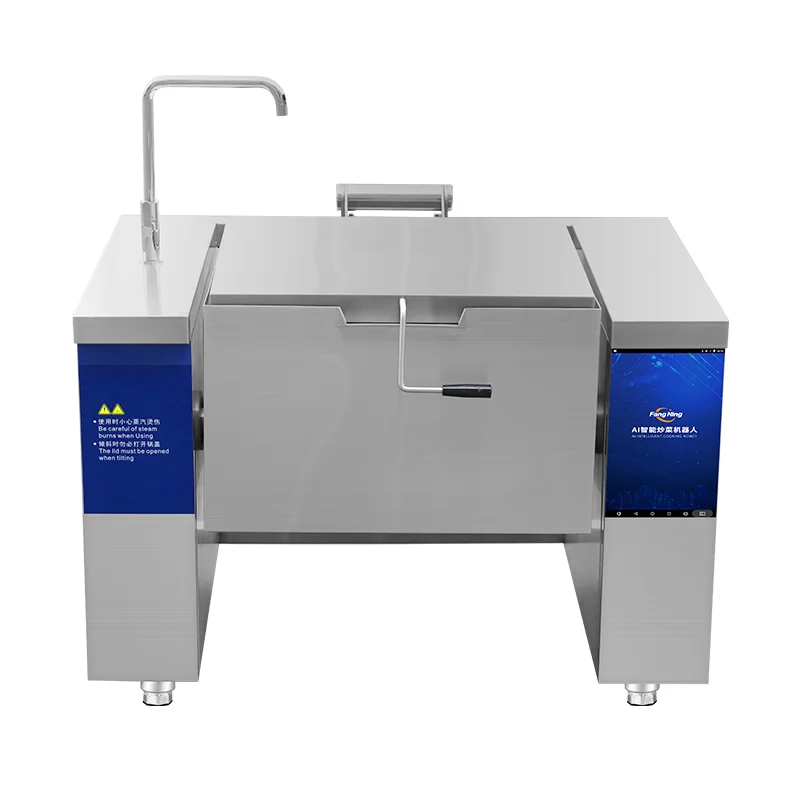
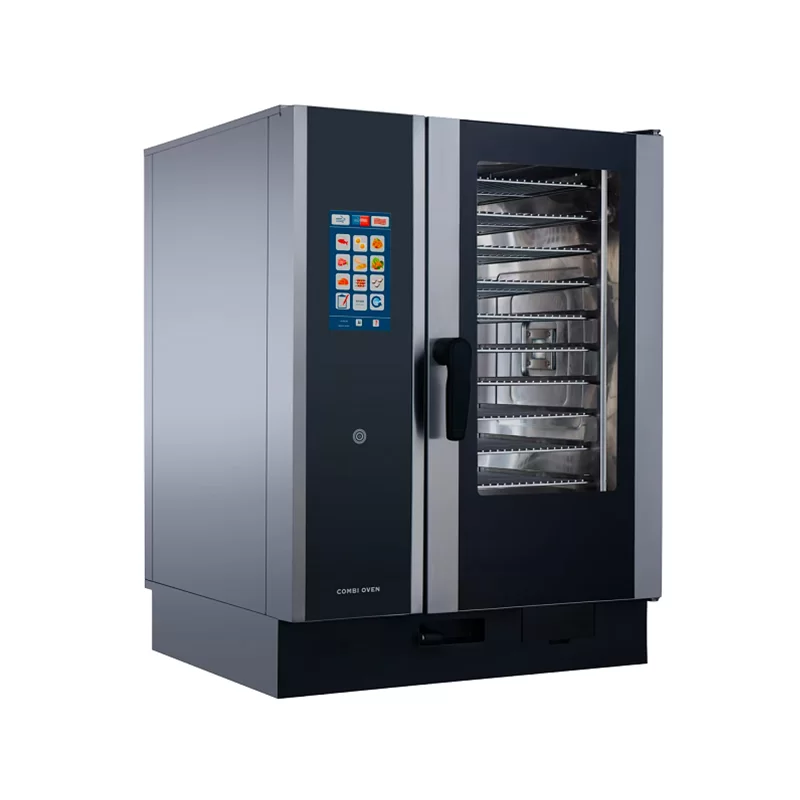
US Industrial Food Processing Solutions HighEfficiency Automatic Agitating Candy Cooker
  • Home
  • Global Service
  • US Industrial Food Processing Solutions HighEfficiency Automatic Agitating Candy Cooker

US Industrial Food Processing Solutions: High-Efficiency Automatic Agitating Candy Cooker

Precision-engineered mixing and cooking systems designed to meet stringent FDA and USDA standards for the North American food manufacturing sector.

US Industrial Food Processing Solutions: High-Efficiency Automatic Agitating Candy Cooker

Providing the United States market with advanced thermal mixing technology, our solutions integrate Food Automatic Mixers and precision cooking vessels to maximize throughput and consistency in confectionery and fast-food production.

The State of Food Equipment Manufacturing in the United States

Navigating the intersection of high labor costs and strict hygiene regulations in North America.

In the United States, the food processing industry is currently facing a critical transition. With rising labor costs across the Midwest and coastal hubs, manufacturers are aggressively shifting toward Fast Food Automation Machine integration to maintain competitive margins. The market demands equipment that not only increases speed but adheres to rigorous NSF and FDA sanitary design principles.

Geographically, the diverse climatic conditions across North America require machinery with robust thermal insulation and precision control. From the humid Southeast to the colder Northern states, the need for a stable Planetary Mixing Pot that ensures uniform heat distribution regardless of ambient temperature is paramount for consistent product quality.

Furthermore, the US market is seeing a surge in "clean label" and artisanal-scale production. This has created a unique demand for Planetary Mixing Cooking Machine systems that can handle small-batch versatility while maintaining the capacity to scale up rapidly during seasonal peaks, such as the holiday confectionery rush.
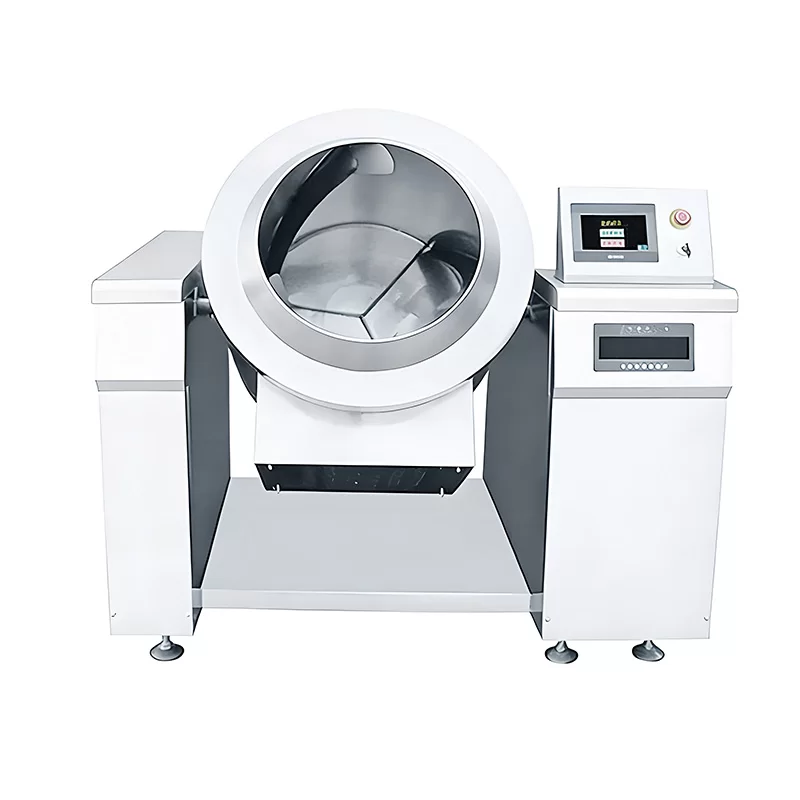
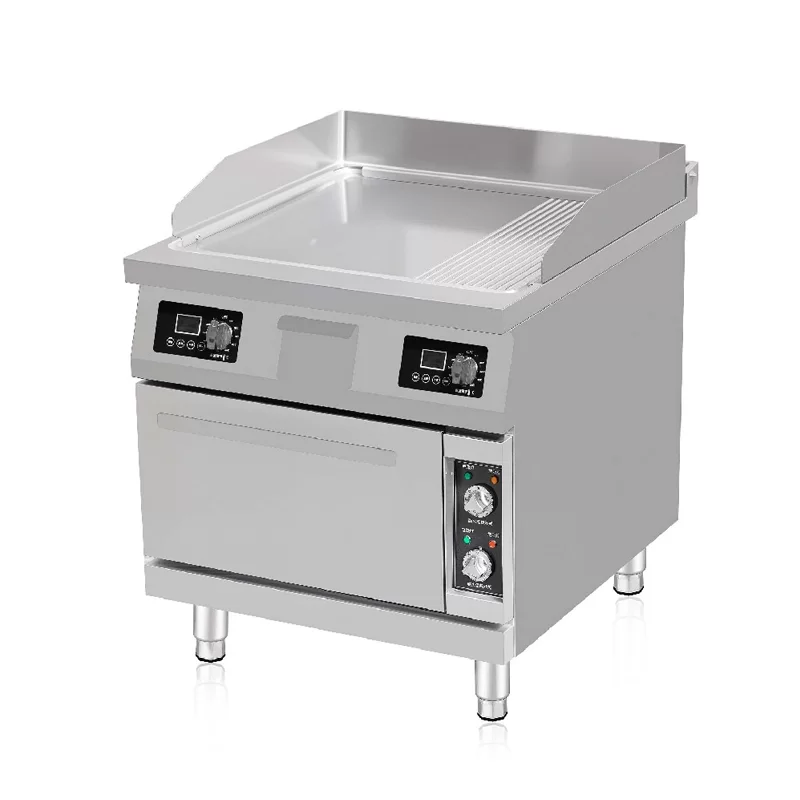
Evolution of Industrial Mixing Technology in North America

From manual agitation to AI-driven automated cooking systems.

Market Development History

Between 1980 and 2000, the US food industry relied heavily on basic steam-jacketed kettles and manual scraping. Efficiency was limited by human intervention, leading to high variance in batch consistency and significant energy waste during the heating cycles of confectionery production.

The decade from 2000 to 2015 marked the "Digital Transition," where PLC (Programmable Logic Controllers) were integrated into Food Automatic Mixers. This allowed US plants to standardize recipes and reduce the reliance on highly skilled manual operators, shifting the focus toward precision temperature ramping.

From 2016 to the present, the industry has entered the era of "Smart Automation." The integration of IoT sensors and high-torque planetary drive systems has transformed the Planetary Mixing Cooking Machine into an intelligent unit capable of real-time viscosity monitoring and automatic discharge.

Future Development Trends

Hyper-Automation & Robotics

The next 3 years will see a deeper integration of robotic arms with Fast Food Automation Machine units, creating fully unmanned "dark kitchens" and production lines in urban US centers.

Energy-Efficient Induction Heating

Driven by US sustainability goals and rising electricity costs, there is a clear shift from traditional steam to high-frequency induction heating in the Planetary Mixing Pot, reducing carbon footprints by up to 30%.

Predictive Maintenance via AI

Google search trends indicate a spike in "Predictive Maintenance for Food Plants." Future equipment will utilize AI to predict bearing failure or heating element degradation before downtime occurs.

Industry Trends and Future Outlook

Analyzing the strategic trajectory of US food equipment manufacturing.

Labor-Replacement Automation
Rapid adoption of autonomous mixing and cooking systems to counter the US labor shortage in the manufacturing sector.
Smart Sanitary Design
Shift toward CIP (Clean-In-Place) integrated systems that reduce water usage while meeting FDA safety mandates.
Modular Scalability
Demand for "plug-and-play" modules that allow US producers to expand capacity without redesigning the entire floor.
Precision Thermal Control
Integration of multi-zone heating to prevent scorching in high-viscosity confectionery products.

Industry Outlook

The US food equipment market is pivoting toward "Efficiency as a Service." We anticipate a move where the focus is not just on selling a machine, but on providing a guaranteed output yield per kWh. The adoption of AI-driven mixing speeds will minimize ingredient waste, which is a critical KPI for US manufacturers dealing with expensive raw materials.

Furthermore, as the "Fast Casual" dining segment continues to grow in North America, the demand for Fast Food Automation Machine systems that can be deployed across multiple franchise locations with identical results will drive a standardized, modular hardware trend.

Localized Application Scenarios in the United States

How our technology solves specific production challenges across US food sectors.

01. Mid-West Confectionery Mass Production

Utilizing the Automatic Agitating Candy Cooker to produce large batches of hard candies and caramels, ensuring zero burnt spots through planetary agitation and precise temperature ramp-up.

02. East Coast Fast-Food Central Kitchens

Implementing Fast Food Automation Machine systems to prepare consistent sauces and bases, reducing manual labor by 60% and ensuring taste uniformity across 100+ franchise outlets.

03. Artisanal Bakery Chains in California

Deploying a Planetary Mixing Pot for high-viscosity doughs and specialty fillings, allowing for small-batch agility without sacrificing industrial-grade durability.

04. Specialized Pet Food Manufacturers in Texas

Using Food Automatic Mixers to blend nutrient-dense additives into semi-solid bases, ensuring homogeneous distribution of vitamins and minerals throughout the batch.

05. Organic Jam and Preserve Plants in the Northwest

Applying the Planetary Mixing Cooking Machine to handle fruit pulps at low temperatures, preserving natural colors and nutrients while achieving the perfect pectin set.

Brand Story

Global Development History of Dongguan Maxsen Electronic Co., Ltd.

Foundation and Technical Core

Established with a vision to solve the "burnt batch" problem, we began by perfecting the thermal distribution logic in industrial mixing vessels.

Precision Engineering Leap

We transitioned from basic heating to advanced planetary drive systems, significantly increasing the mixing efficiency for high-viscosity food products.

Global Market Expansion

Expanding into North America, we adapted our designs to meet UL, CE, and FDA standards, bringing Asian manufacturing efficiency to US factories.

Smart Integration Era

Integrating PLC and IoT controls into our mixing pots, allowing our clients to manage production remotely and with surgical precision.

Mission for the Future

Our goal is to eliminate food production waste globally by providing the most precise, automated, and sustainable cooking equipment in the industry.

Complete Equipment Portfolio for the US Market

From standalone mixers to fully automated confectionery lines tailored for North American standards.

Common Questions for US Food Manufacturers

Technical insights and compliance guidance for importing and operating food machinery in the US.

How does the Planetary Mixing Pot meet FDA sanitary requirements?

Our pots are constructed from 304/316L stainless steel with a mirror-polished finish (Ra < 0.8μm) to prevent bacterial buildup and ensure easy cleaning in accordance with FDA guidelines.

Can Food Automatic Mixers be integrated into existing PLC production lines?

Yes, our mixers feature open-protocol PLC interfaces (such as Modbus or Profinet), allowing seamless integration with most US-standard factory management systems.

What is the energy consumption of a Planetary Mixing Cooking Machine compared to steam?

Our electric induction-based cooking machines are up to 35% more energy-efficient than traditional steam jackets by eliminating heat loss through piping and boilers.

Is the Automatic Agitating Candy Cooker suitable for high-viscosity syrups?

Absolutely. The planetary gear system provides high torque and multiple scraping points, ensuring that thick syrups are moved constantly to prevent caramelization on the walls.

What is the lead time for a customized Fast Food Automation Machine in the US?

Customized automation solutions typically require 6-10 weeks for engineering, fabrication, and rigorous FAT (Factory Acceptance Testing) before shipping to the US.

Do you provide on-site installation and calibration for US-based plants?

We provide comprehensive remote installation guides and partner with local US technical service providers to ensure your equipment is calibrated to your specific recipe needs.

Ready to Automate Your Production?

Contact our engineering team today to optimize your food processing efficiency in the United States.

Contact Us Now

If you are interested in our products, you can choose to leave your information here, and we will be in touch with you shortly.