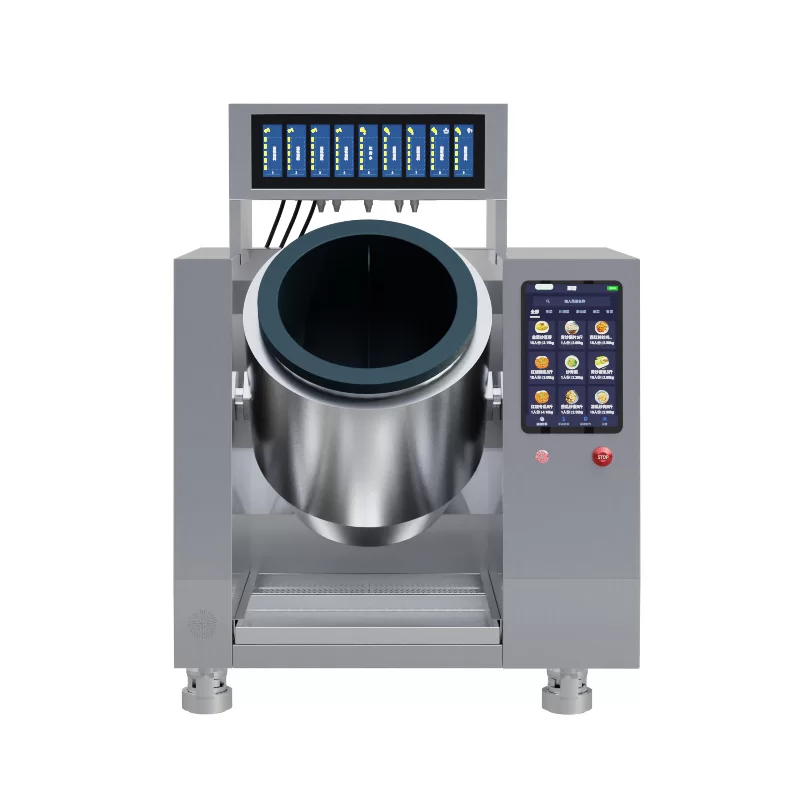
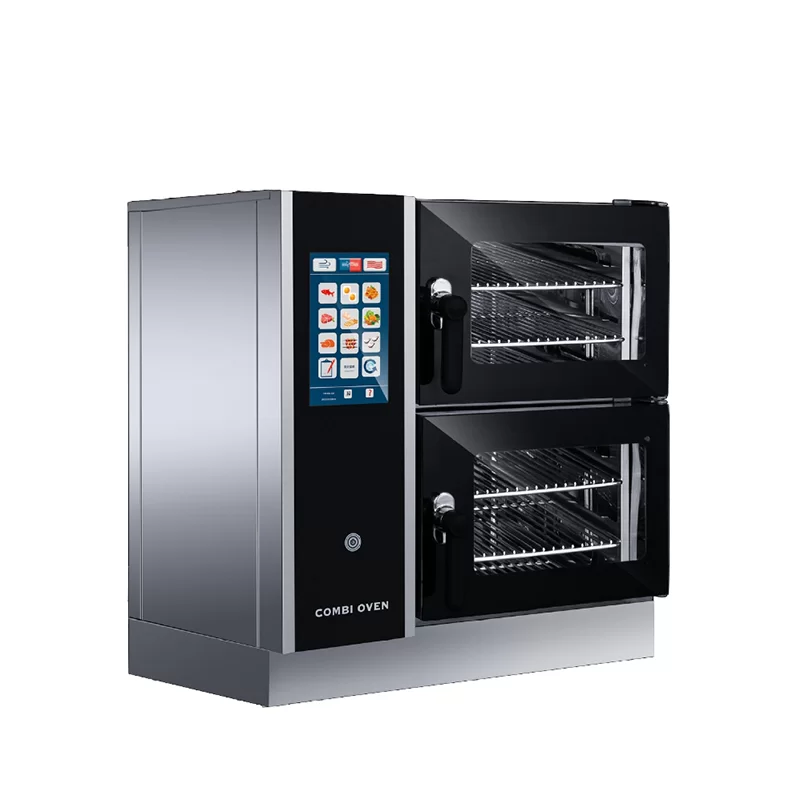
Advanced Food Processing Solutions with Planetary Mixing Cooking Machine in Central African Republic
  • Home
  • Global Service
  • Advanced Food Processing Solutions with Planetary Mixing Cooking Machine in Central African Republic

Advanced Food Processing Solutions with Planetary Mixing Cooking Machine in Central African Republic

Empowering Central African food manufacturers with high-efficiency automation to optimize production yield and ensure consistent quality.

Advanced Food Processing Solutions with Planetary Mixing Cooking Machine in Central African Republic

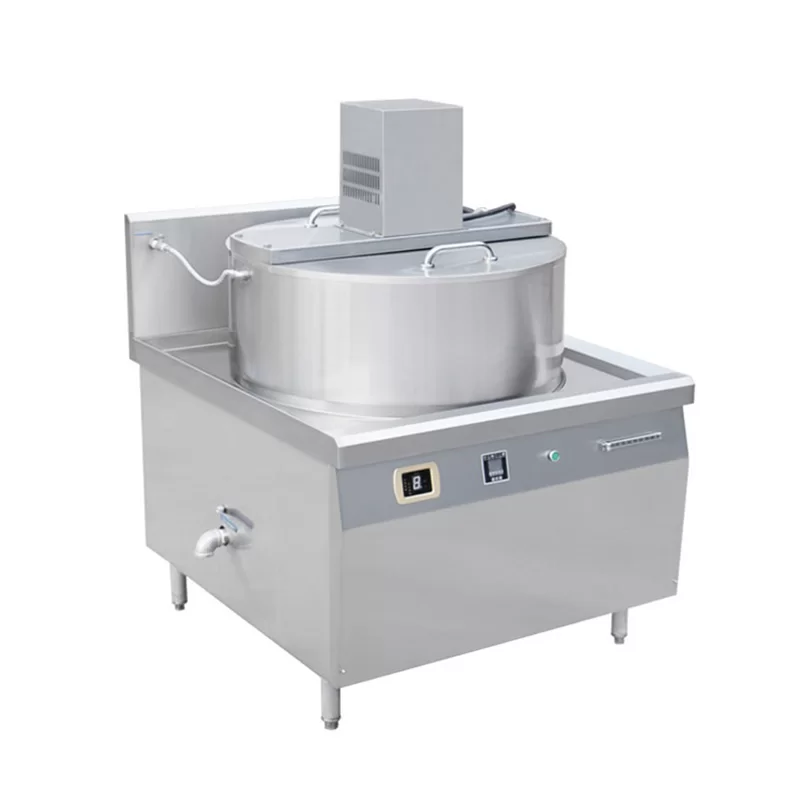
Our integrated machinery solutions provide Central African Republic's food industry with the precision of Food Automatic Mixers and thermal efficiency to scale local production.

Current Landscape of Food Equipment in Central African Republic

Analyzing the intersection of tropical climate challenges and industrialization needs.

In the Central African Republic, the food processing sector is currently characterized by a transition from artisanal methods to semi-automated systems. The high humidity and equatorial climate often lead to rapid ingredient spoilage, making the demand for a high-performance Planetary Mixing Pot critical for rapid, hygienic processing.

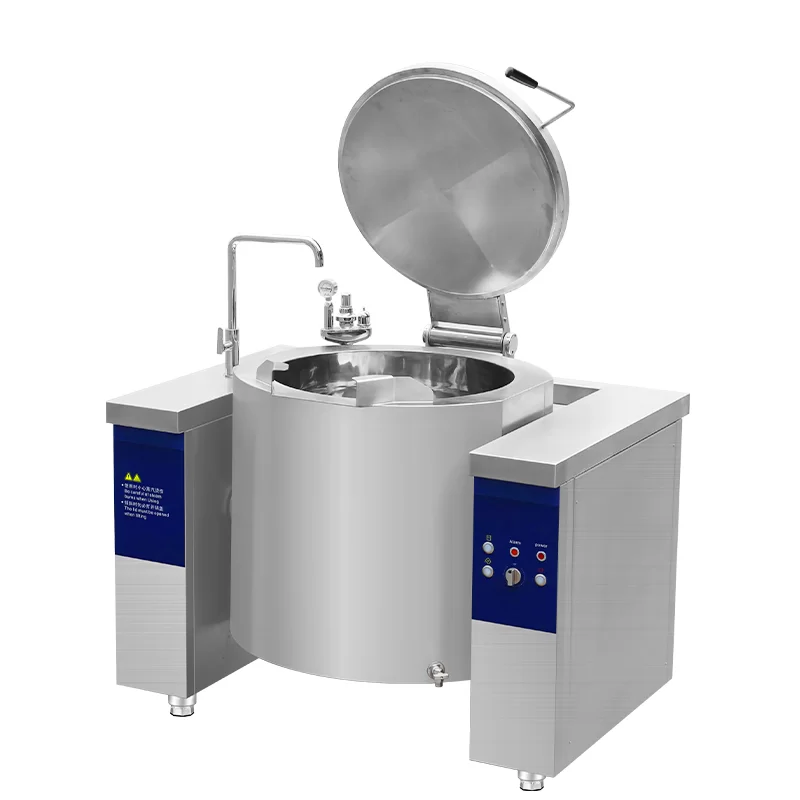
Local manufacturers often struggle with inconsistent heat distribution in traditional vats. The introduction of an Automatic Agitating Candy Cooker is solving these pain points by eliminating manual stirring, reducing labor intensity, and preventing product burnout in high-temperature confectionery production.

Economically, there is a growing push toward import substitution. By implementing Fast Food Automation Machine technology, local entrepreneurs are now able to produce standardized condiments and snacks that compete with imported brands in Bangui and other urban centers.
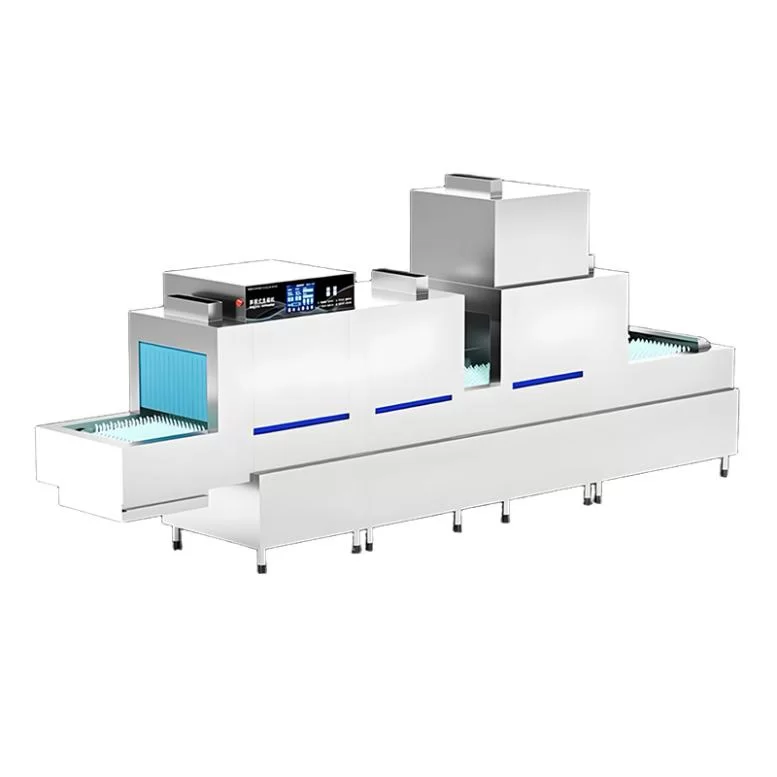
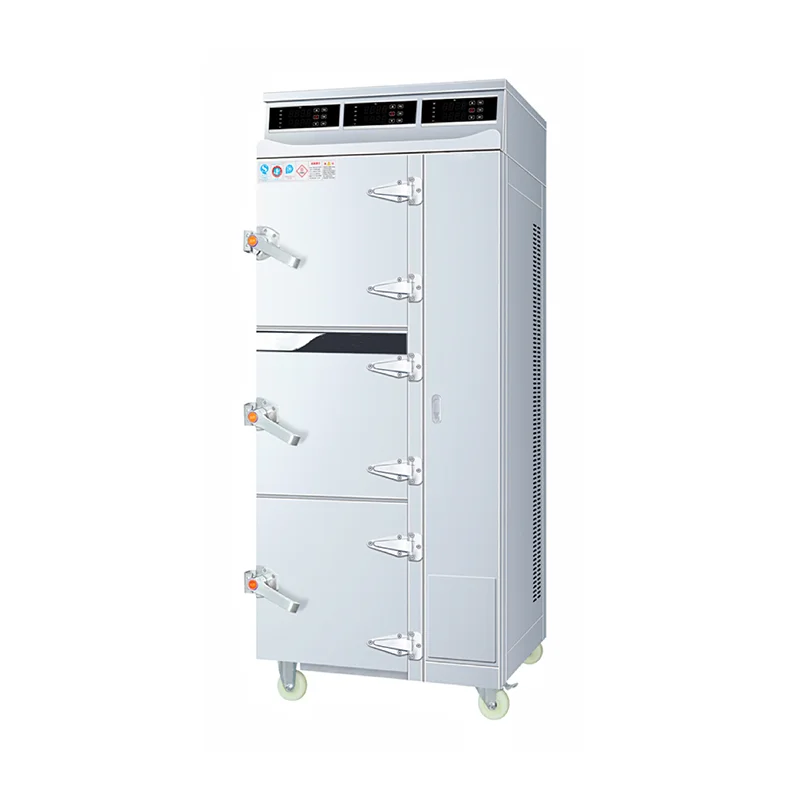
Evolution and Technological Trajectory in Central African Republic

From manual hearths to intelligent automated mixing systems.

Market Development History

Before 2010, most food mixing in the region relied on manual labor and open-fire heating, which lacked temperature control and hygiene standards. This era was defined by high waste and low scalability.

Between 2011 and 2020, the first wave of basic electric mixers arrived. However, these lacked the planetary motion required for high-viscosity materials, leading to the gradual adoption of the Planetary Mixing Pot for more complex food textures.

Since 2021, there has been a strategic shift toward full automation. The integration of PLC-controlled Food Automatic Mixers has allowed factories to maintain strict E-E-A-T quality standards for export-grade food products.

Future Development Trends

Energy-Efficient Thermal Systems

Given the power instability in some regions, the trend is moving toward hybrid heating systems that integrate sustainable energy sources with precise thermal control.

Modular Automation Scaling

Small-scale enterprises are adopting modular Fast Food Automation Machine setups that can be expanded as the business grows without replacing the core infrastructure.

Smart Viscosity Monitoring

Future iterations of mixing equipment will incorporate AI sensors to automatically adjust stirring speeds based on the real-time viscosity of the food product.

Industry Trends and Future Outlook

Predicting the next 5 years of food equipment innovation in Central Africa.

Automated Precision Control
Shift from manual timing to digital presets for consistency.
Hygienic Stainless Steel Evolution
Adoption of food-grade SS316 to prevent corrosion in humid climates.
Reduced Labor Dependency
Replacing manual stirring with an Automatic Agitating Candy Cooker.
IoT-Enabled Monitoring
Remote tracking of batch cycles via mobile apps for plant managers.

Industry Outlook

Based on search trends and regional economic shifts, the Central African Republic is seeing a surge in "local food processing" queries. This indicates a shift toward industrializing raw agricultural materials into value-added products using a Planetary Mixing Cooking Machine.

Over the next 3-5 years, we anticipate the integration of solar-powered automation to mitigate energy costs, ensuring that Food Automatic Mixers remain operational during power outages.

Localized Application Scenarios in Central African Republic

Real-world implementations of automation machinery across diverse food sectors.

1. Tropical Fruit Jam Production

Utilizing a Planetary Mixing Cooking Machine to process local mangoes and pineapples, ensuring uniform pectin distribution and temperature control to prevent sugar crystallization.

2. Artisanal Candy & Syrup Scaling

Replacing traditional copper pots with an Automatic Agitating Candy Cooker for local confectioners in Bangui to mass-produce traditional sweets with consistent texture.

3. Urban Fast-Food Sauce Manufacturing

Deploying a Fast Food Automation Machine to produce standardized mayonnaise and chili sauces for the growing network of urban quick-service restaurants.

4. Nut Butter and Paste Processing

Using high-torque Food Automatic Mixers to grind and blend locally sourced peanuts into smooth, commercial-grade butter for regional markets.

5. Industrial Bakery Dough Mixing

Implementing a Planetary Mixing Pot for bakery chains to ensure oxygenation and gluten development in large batches of bread dough.

Brand Story

Global Development History of Dongguan Maxenson Electronic Co., Ltd.

Foundational Engineering

Started with a vision to solve thermal inconsistency in industrial food mixing through advanced planetary gear engineering.

Global Market Expansion

Expanded our footprint to Africa, tailoring machinery to handle the unique power and climate requirements of the region.

Automation Innovation

Developed PLC-integrated systems that transitioned simple mixers into fully automated production hubs.

Quality Standard Certification

Achieved international food safety and electrical certifications to ensure seamless export to highly regulated markets.

Sustainable Future Focus

Now focusing on energy-saving thermal technology to reduce the carbon footprint of food manufacturing globally.

Complete Product Portfolio for Central African Republic

Integrated equipment solutions from raw material mixing to final cooking.

Common Questions from Central African Manufacturers

Technical support and operational guidance for regional food equipment.

How does a Planetary Mixing Pot handle high-viscosity African nut pastes?

Our planetary mixers use dual-rotation technology, where the agitator rotates on its own axis while orbiting the center, ensuring no dead zones even with thick nut pastes.

Can Food Automatic Mixers operate with unstable voltage in Bangui?

Yes, our machines are designed with optional voltage stabilizers and surge protectors to ensure the PLC and motors are safe from power fluctuations.

What is the advantage of an Automatic Agitating Candy Cooker over manual pots?

It eliminates manual stirring labor, prevents the product from burning at the bottom, and ensures a precise temperature for consistent candy crystallization.

Is the Planetary Mixing Cooking Machine easy to clean for hygiene audits?

Absolutely. Our machines feature mirror-polished SS304/316 steel and removable agitators, meeting international food-grade sanitation standards.

Which Fast Food Automation Machine is best for small-scale sauce startups?

We recommend our compact automated mixing and filling lines that combine heating and stirring in one unit to maximize space and reduce labor.

How do I maintain these machines in a high-humidity environment?

We provide a localized maintenance kit and a guide on lubricating seals and protecting electrical cabinets against moisture to prolong machine life.

Scale Your Food Production Today

Ready to modernize your factory in Central African Republic? Our experts are here to provide custom equipment configurations for your specific needs.

Contact Us Now

If you are interested in our products, you can choose to leave your information here, and we will be in touch with you shortly.