In Zambia, the food processing industry is currently characterized by a diverse mix of small-scale artisanal producers and growing industrial hubs in Lusaka and the Copperbelt. Due to the region's hot climate and energy fluctuations, there is a critical demand for equipment that offers precise temperature control and robust construction to prevent product spoilage and ensure food safety.
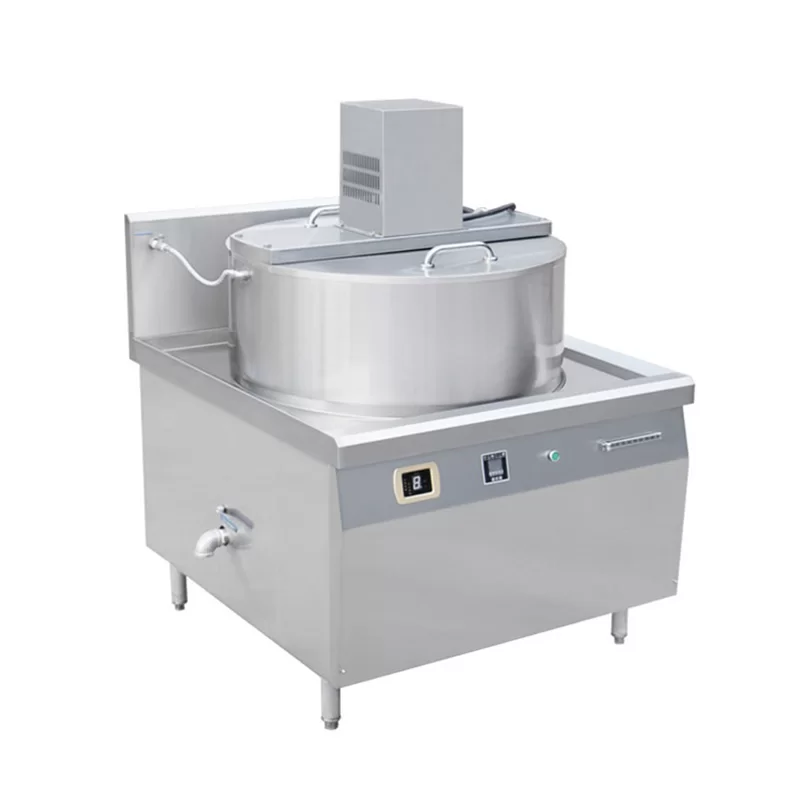
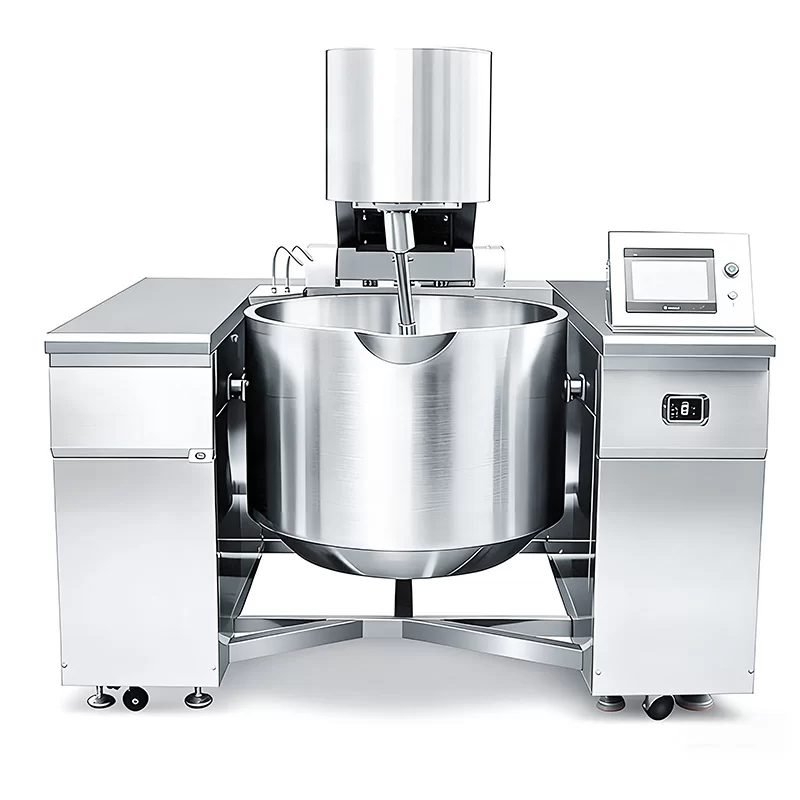
Many local enterprises still rely on traditional heating methods, which often result in uneven heat distribution and high labor costs. The introduction of the Planetary Mixing Pot has begun to revolutionize this by allowing simultaneous cooking and mixing, drastically reducing the manual effort required for viscous food products like jams and sauces.
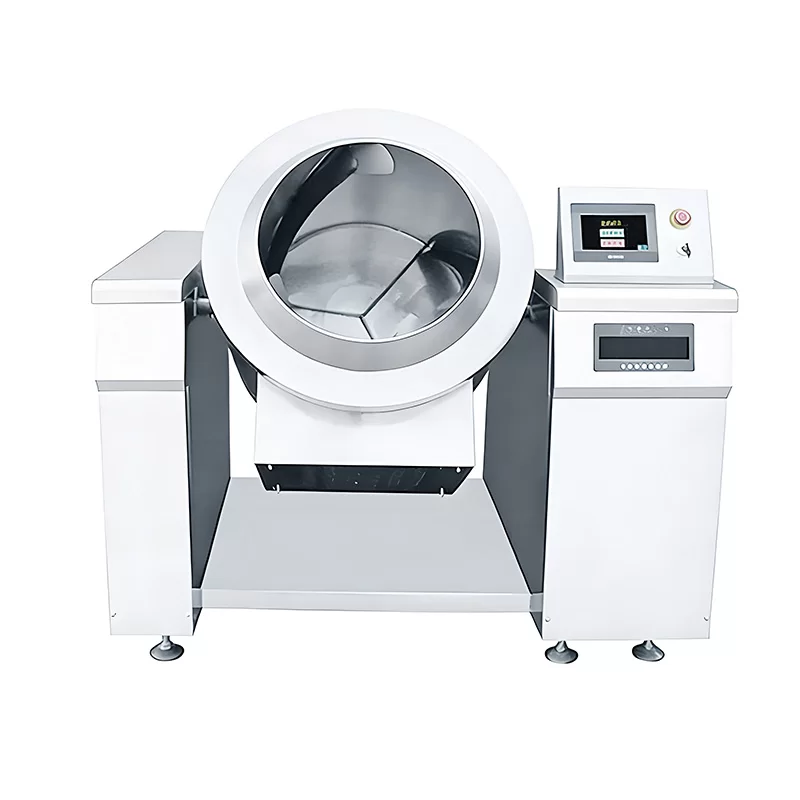
Furthermore, the growing urban population in Zambia is driving a surge in demand for processed convenience foods. This shift is forcing local manufacturers to move away from erratic manual processes toward standardized Fast Food Automation Machine systems to maintain consistency and meet strict health regulations.