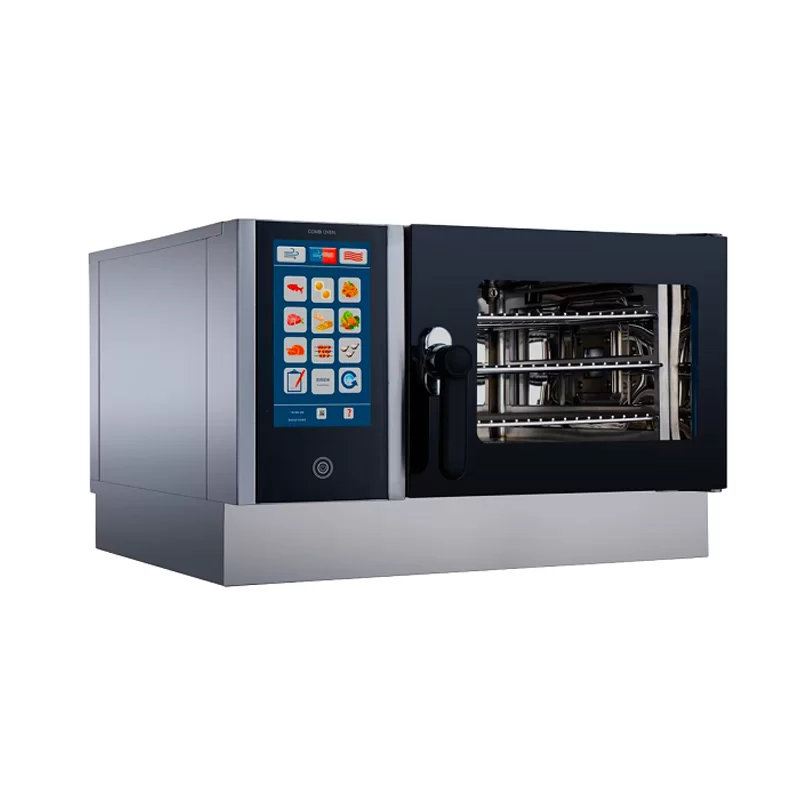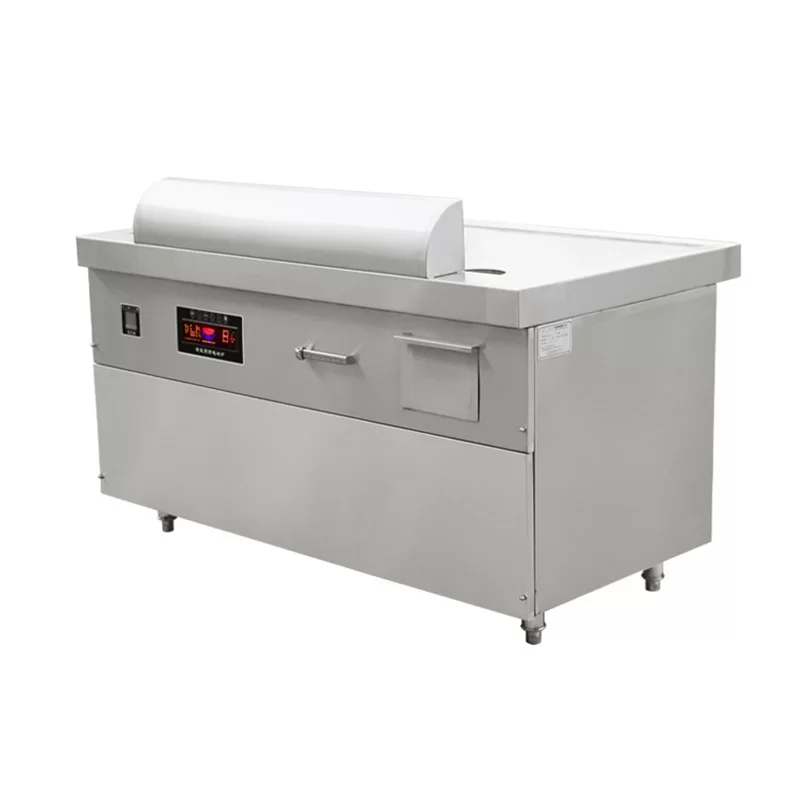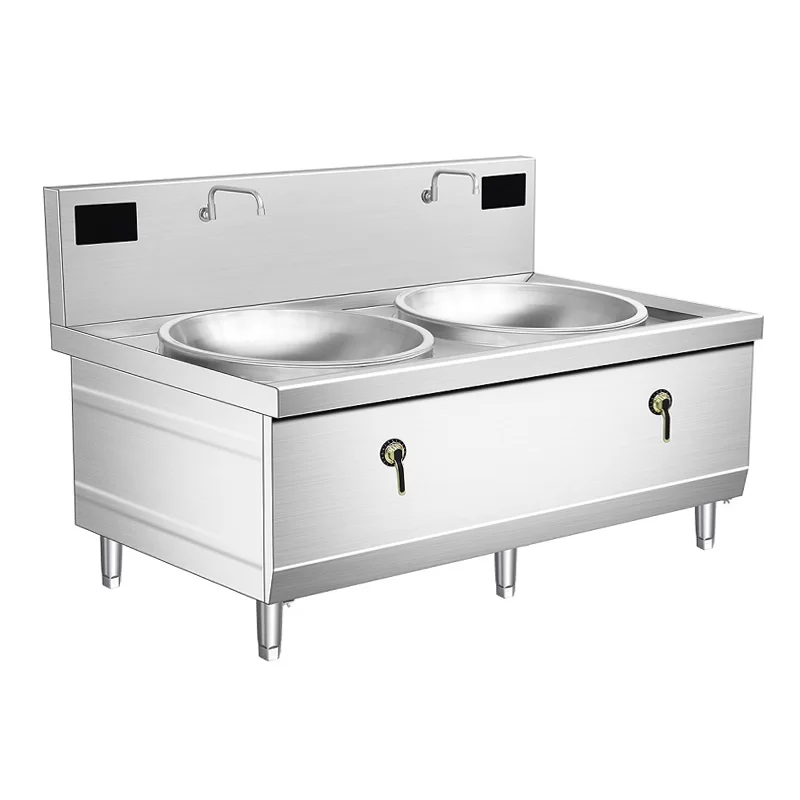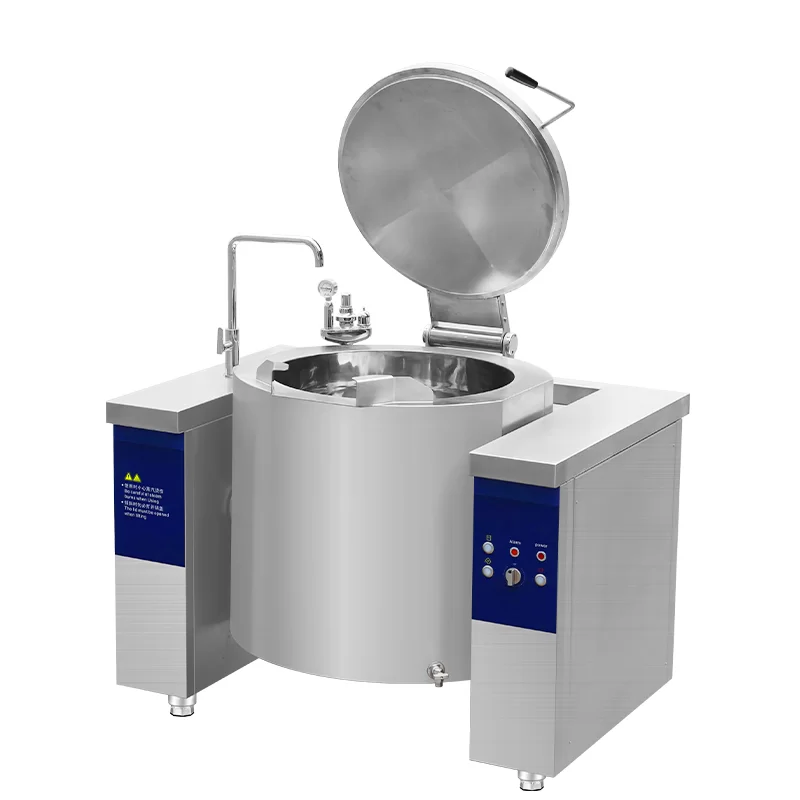
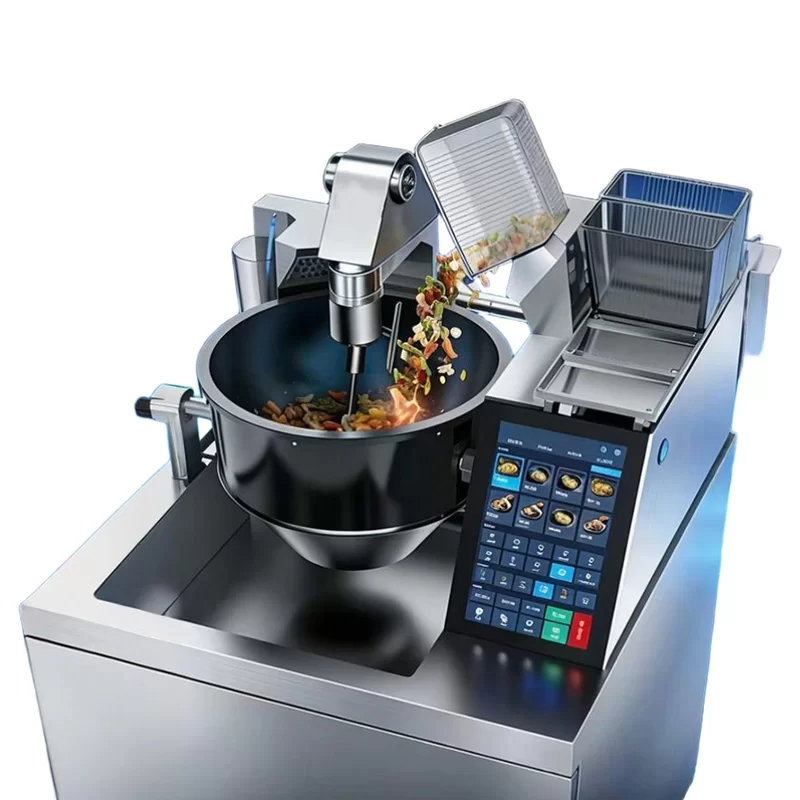
Equatorial Guinea faces a unique intersection of high humidity and a growing demand for processed foods. Local producers often struggle with inconsistent heat distribution in traditional cooking methods, leading to wastage and quality fluctuations. The integration of a Planetary Mixing Pot is becoming essential for those moving beyond artisanal production toward semi-industrial scales.
The economic shift toward diversifying non-oil revenue has spurred interest in local food manufacturing. However, the lack of Food Automatic Mixers has kept many businesses dependent on labor-intensive processes. This inefficiency limits the ability of local brands to compete with imported processed goods in cities like Malabo and Bata.
Furthermore, the tropical climate necessitates equipment that is not only efficient but also resistant to corrosion and easy to sanitize. Transitioning to Fast Food Automation Machine technology allows local entrepreneurs to maintain strict hygiene standards while meeting the rapid demand of the urban fast-food sector.