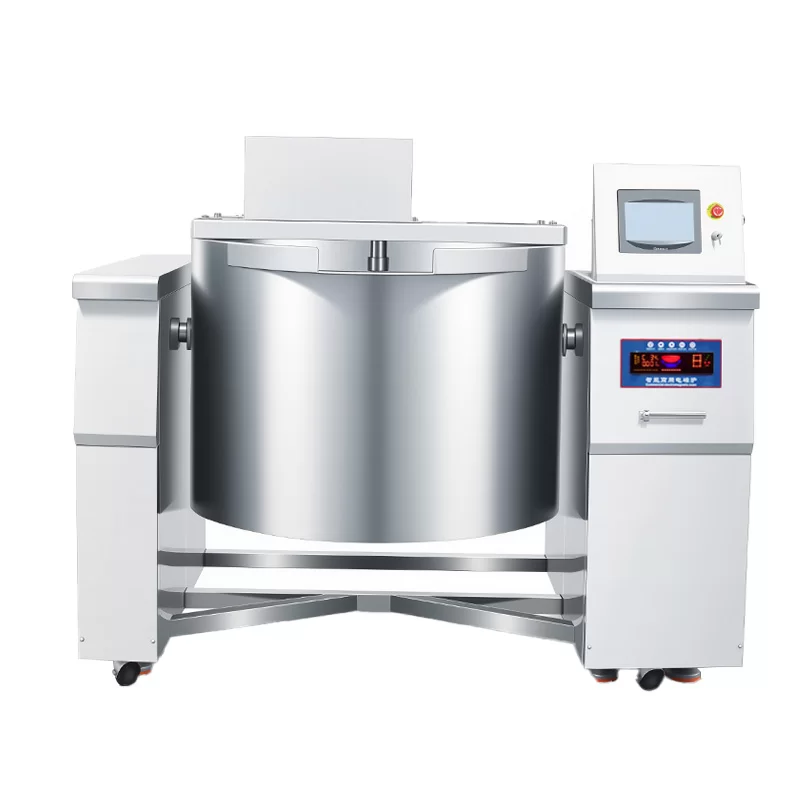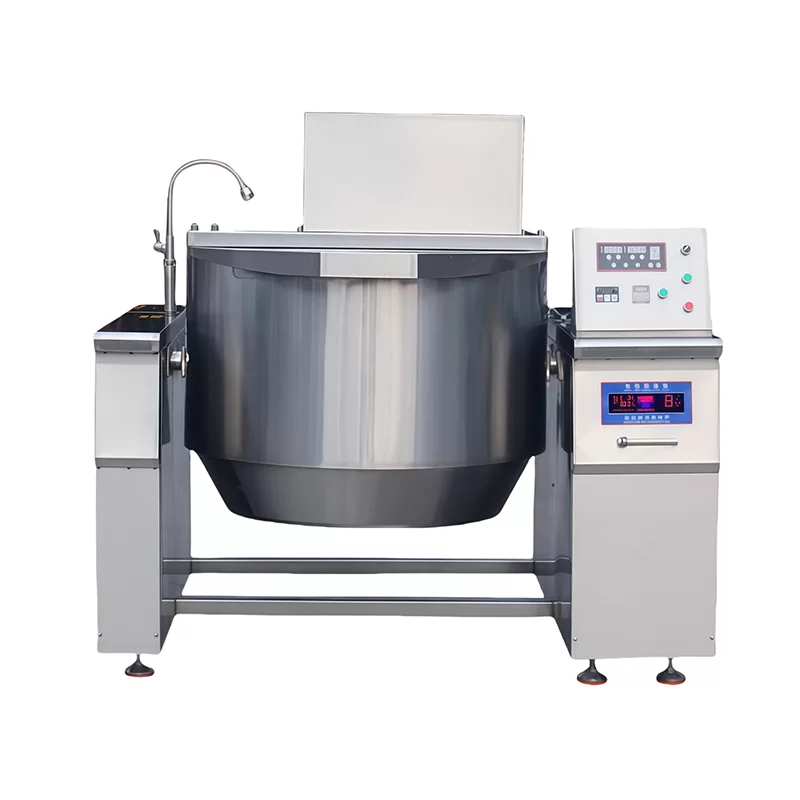
Advanced Food Processing Solutions for Papua New Guinea featuring Planetary Mixing Cooking Machine
  • Home
  • Global Service
  • Advanced Food Processing Solutions for Papua New Guinea featuring Planetary Mixing Cooking Machine

Advanced Food Processing Solutions for Papua New Guinea featuring Planetary Mixing Cooking Machine

Elevating the industrial culinary landscape of Papua New Guinea with precision automation and high-durability mixing technology for sustainable food production.

Advanced Food Processing Solutions for Papua New Guinea featuring Planetary Mixing Cooking Machine

We provide state-of-the-art thermal mixing and agitation systems designed to withstand the humid tropical climate and power fluctuations of Papua New Guinea, ensuring consistent food quality and operational efficiency.

The Current State of Food Manufacturing in Papua New Guinea

Analyzing the intersection of traditional production and the need for Food Automatic Mixers in the PNG market.

In Papua New Guinea, the food processing sector is currently characterized by a transition from artisanal, manual production to small-scale industrialization. The geographical diversity and high humidity of the region pose significant challenges for equipment longevity, making the demand for corrosion-resistant Planetary Mixing Pot units increasingly critical for local enterprises.

Economic growth in urban centers like Port Moresby and Lae has led to a surge in the demand for processed snacks and confectionery. However, many local producers still rely on inconsistent manual stirring, which leads to product variance. The introduction of Automatic Agitating Candy Cooker systems is beginning to bridge the gap between traditional taste and industrial consistency.

Furthermore, the rise of the quick-service restaurant (QSR) sector in PNG is driving a necessity for Fast Food Automation Machine solutions. To maintain hygiene standards in tropical temperatures, local manufacturers are pivoting towards automated, stainless-steel enclosed systems that reduce human contact and optimize thermal energy usage.
Evolution and Technical Trajectory of Mixing Equipment

From open-fire cauldrons to high-precision Planetary Mixing Cooking Machine technology.

Market Development History

Prior to 2010, most food mixing in Papua New Guinea was conducted using manual agitation in open pots over direct heat. This era was defined by high labor intensity and significant batch-to-batch inconsistency, particularly in the production of traditional jams and sweets.

Between 2010 and 2020, the market saw the introduction of basic electric mixers. This transition period marked the shift toward semi-automation, where operators began utilizing simple motorized stirrers, though these lacked the precision of orbital movements required for high-viscosity products.

Since 2020, the adoption of sophisticated Food Automatic Mixers has accelerated. The current phase integrates PLC controls and precise temperature sensors, allowing PNG manufacturers to achieve international quality standards while optimizing energy consumption in a region where power stability is a concern.

Future Development Trends

IoT-Enabled Remote Monitoring

Integration of smart sensors to monitor the viscosity and temperature of the Planetary Mixing Pot in real-time, reducing the need for constant manual supervision.

Energy-Efficient Induction Heating

A shift from traditional steam or oil heating to induction technology to reduce the carbon footprint and operating costs in PNG's industrial zones.

Hyper-Modular Automation

The development of Fast Food Automation Machine units that can be easily expanded or reconfigured as a business grows from a single shop to a franchise.

Industry Outlook and Future Prospects

Predicting the technological shift in Papua New Guinea's food machinery sector over the next 5 years.

Precision Thermal Control
Enhanced PID controllers will become standard in every Automatic Agitating Candy Cooker to ensure zero scorching.
Material Innovation
Adoption of Grade 316L Stainless Steel to combat high salinity and humidity in PNG coastal regions.
Labor Reduction
Transitioning from semi-automatic to fully autonomous mixing cycles to mitigate labor shortages in rural provinces.
Customized Batching
Developing specialized mixing profiles for local ingredients like coconut and tropical tubers.

Industry Outlook

Based on Google search trends in the Oceania region, there is a marked increase in queries related to "food processing automation" and "industrial cooking efficiency." This suggests that Papua New Guinea is entering a phase of rapid technical upgrading where efficiency is prioritized over low initial cost.

We anticipate that the integration of AI-driven quality control will begin to permeate the local market, allowing the Planetary Mixing Cooking Machine to adjust its speed and heat based on the real-time resistance of the food mass.

Localized Application Scenarios in Papua New Guinea

Practical deployments of automation technology across various PNG food sectors.

01. Tropical Jam and Preserve Production

Utilizing the Planetary Mixing Pot to process local pineapples and papayas, ensuring consistent pectin activation through precise temperature control.

02. Urban Confectionery Start-ups

Deploying the Automatic Agitating Candy Cooker for artisanal candy makers in Port Moresby to scale production from 10kg to 200kg per batch.

03. Fast Food Franchise Expansion

Implementing Fast Food Automation Machine systems to standardize sauce and batter preparation across multiple outlets in Lae.

04. Local Bakery Industrialization

Using Food Automatic Mixers for large-scale dough and filling production, reducing mixing time by 60% compared to manual methods.

05. Traditional Paste & Sauce Manufacturing

Applying the Planetary Mixing Cooking Machine for the production of local savory pastes, ensuring a smooth emulsion without overheating delicate spices.

Brand Story

Global Development Journey of Dongguan Maxsen Electronic Co., Ltd.

The Foundation of Precision

Started with a mission to solve the instability of thermal agitation in food processing, focusing on high-torque planetary gear systems.

Technological Breakthrough

Developed the first integrated PLC-controlled mixing system that eliminated the risk of "hot spots" in high-viscosity cooking.

Global Market Expansion

Extended our reach into the Oceania market, adapting our hardware to handle the unique voltage and climatic demands of Papua New Guinea.

Commitment to Sustainability

Pioneered energy-saving heating elements that reduce electrical load by 30%, supporting green manufacturing in developing regions.

The Vision for Tomorrow

Striving to be the primary partner for food automation in PNG, bridging the gap between local ingredients and world-class production.

Comprehensive Equipment Portfolio for Papua New Guinea

Tailored hardware solutions for the PNG food and beverage manufacturing sector.

Common Questions regarding Food Automation in PNG

Expert answers to technical and logistical concerns for local operators.

How does a Planetary Mixing Pot handle high-viscosity tropical pastes?

Our planetary systems utilize a dual-rotation mechanism where the agitator rotates on its own axis while orbiting the pot, ensuring no dead zones and a completely homogeneous blend even for the thickest pastes.

Are Food Automatic Mixers compatible with PNG power grids?

Yes, we offer customized electrical panels with voltage stabilizers and surge protection specifically designed to handle the power fluctuations common in Papua New Guinea industrial zones.

What makes an Automatic Agitating Candy Cooker better than manual stirring?

The automation ensures a precise heating curve and constant agitation, which prevents sugar crystallization and burning, resulting in a professional, glossy finish every time.

Can a Planetary Mixing Cooking Machine be used for multiple products?

Absolutely. With interchangeable agitators and programmable temperature settings, one machine can process everything from thick sauces to delicate creams and traditional sweets.

How do I maintain a Fast Food Automation Machine in a humid environment?

We recommend daily cleaning with food-grade sanitizers and monthly checks of the sealed bearings. Our 316L stainless steel construction naturally resists the corrosion caused by PNG's humidity.

What is the average lead time for shipping mixing equipment to Port Moresby?

Lead times vary by customization, but typically range from 3-6 weeks for production and 4 weeks for maritime shipping, including all necessary export documentation for PNG customs.

Ready to Automate Your Production?

Our experts are ready to help you scale your food business in Papua New Guinea with the world's most reliable mixing technology.

Contact Us Now

If you are interested in our products, you can choose to leave your information here, and we will be in touch with you shortly.