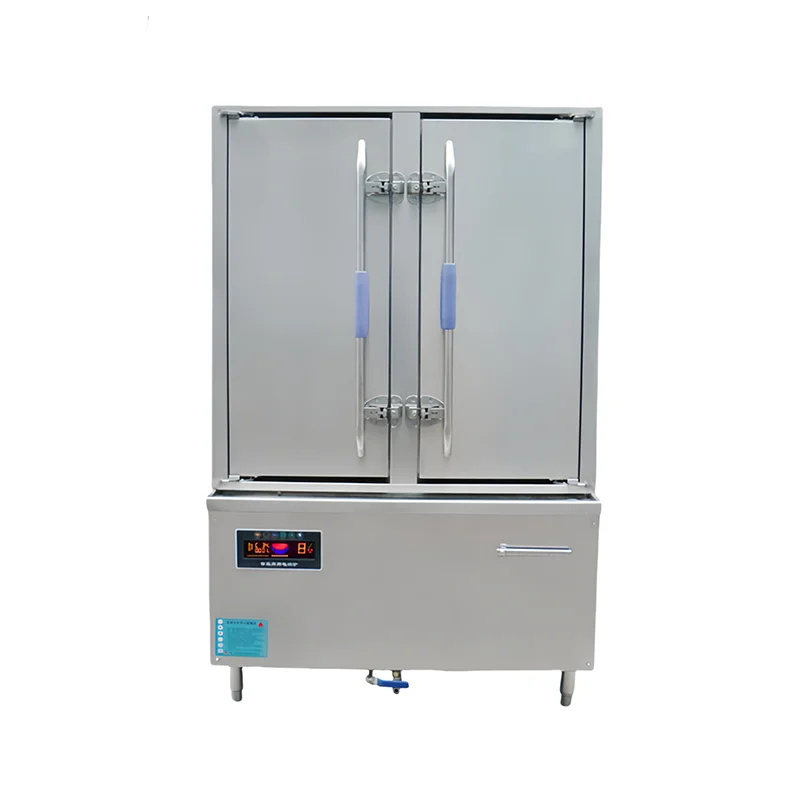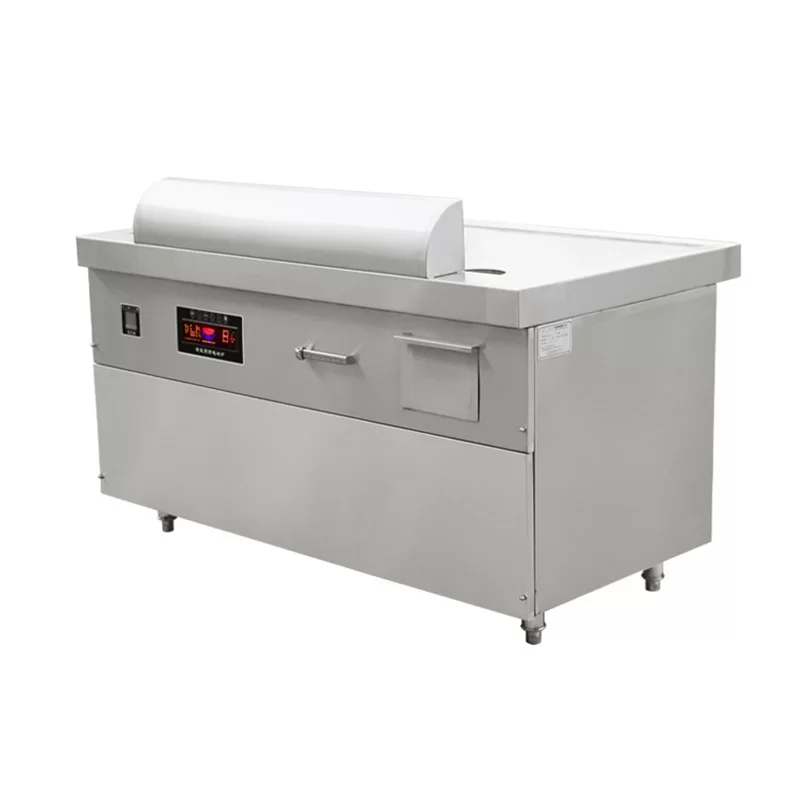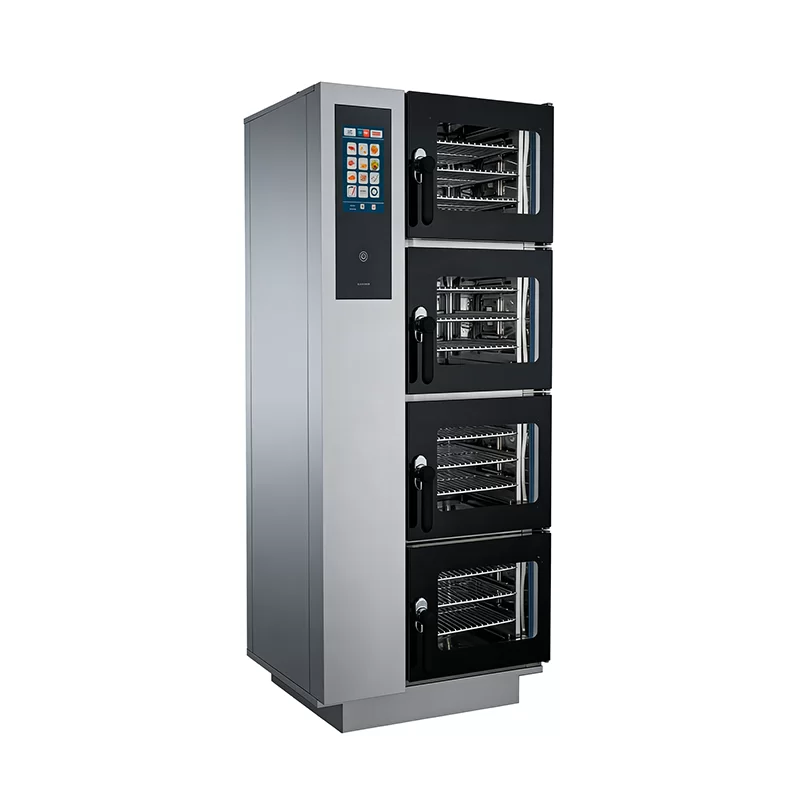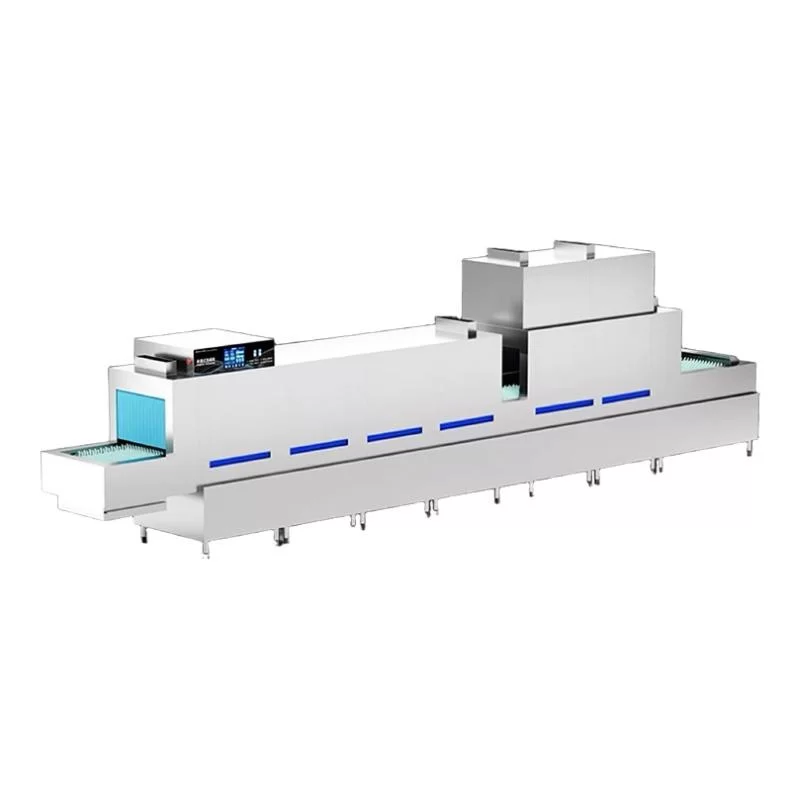
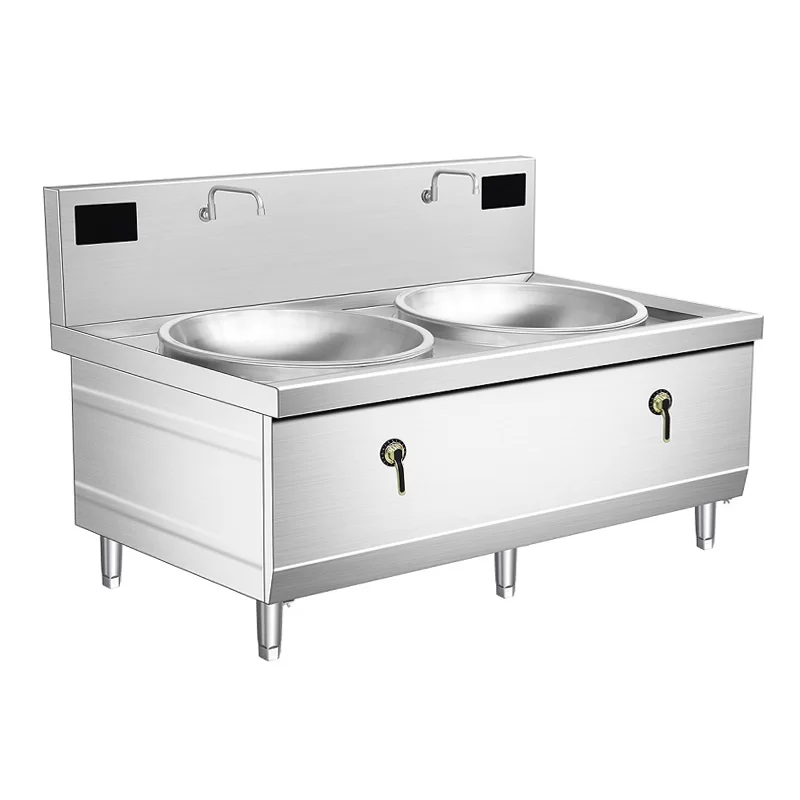
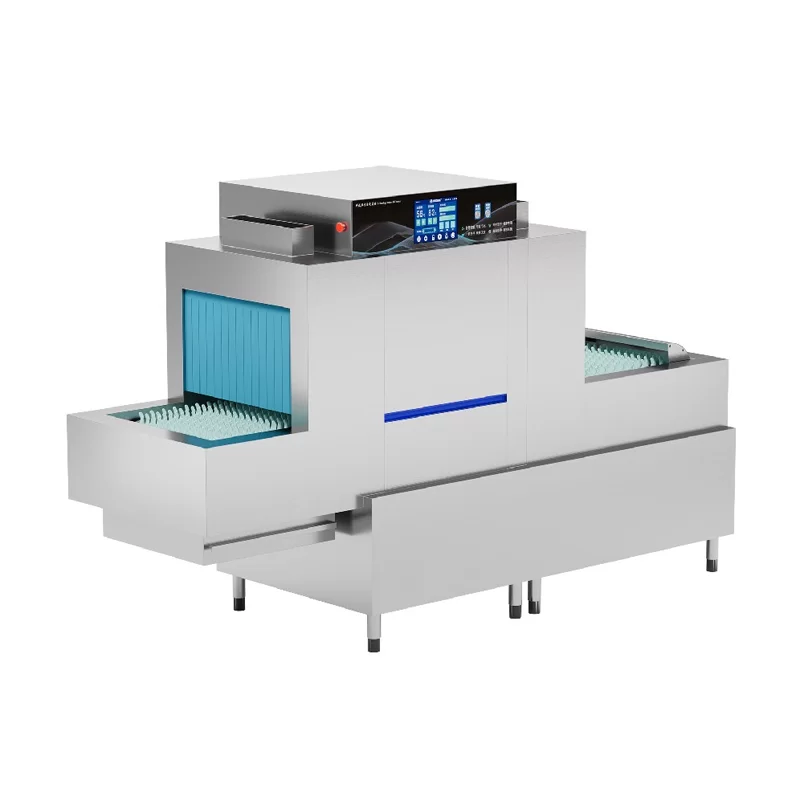
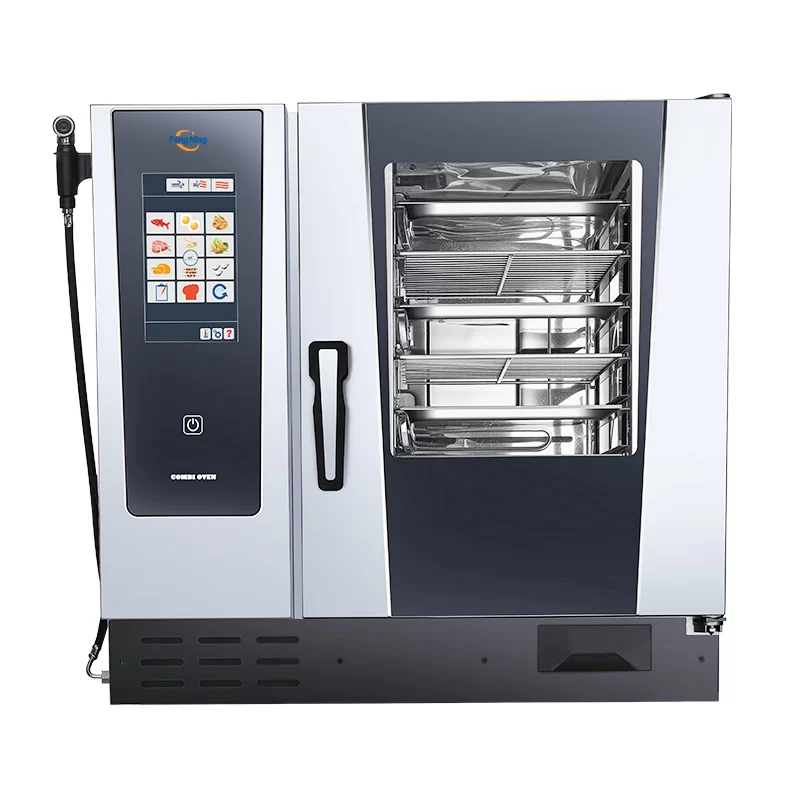
In Ghana, the food processing industry is currently characterized by a duality of traditional artisanal methods and emerging industrial hubs. Many SMEs still rely on manual stirring and open-fire heating, which leads to inconsistent product quality and high labor costs. The adoption of Food Automatic Mixers is becoming a priority as local producers seek to meet international export standards for cocoa-based products and traditional condiments.
The tropical climate and high humidity in regions like Accra and Kumasi place significant demands on equipment durability. There is a critical need for corrosion-resistant materials and energy-efficient systems that can withstand power fluctuations while maintaining strict hygiene standards. The introduction of the Planetary Mixing Pot has begun to solve the issue of localized burning (hot spots) common in traditional Ghanaian cooking pots.
Economically, the Ghanaian government's "One District One Factory" initiative is driving a surge in demand for Fast Food Automation Machine technology. This shift is moving the market away from simple heating vessels toward integrated systems that combine mixing, cooking, and temperature monitoring to reduce waste and increase daily throughput.